
Safety has a price, and it will be paid. Cotality analyzed the top 10 safest and riskiest places to live in the U.S. and found that the areas or the country that are least vulnerable to natural catastrophes are also where prices are growing the fastest.
In all states, the cost of homeownership is no longer calculated by mortgage payments alone. As the risk of natural disasters increases, insuring a home is increasingly determining the final monthly cost of being a homeowner. At the same time, people are paying more to live in regions where natural catastrophes are of less concern.
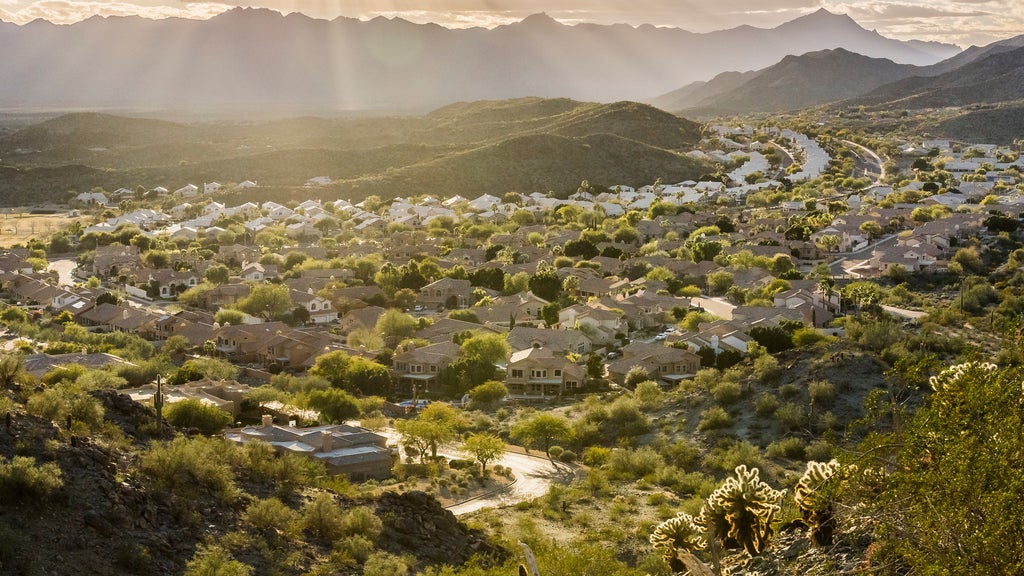
Pennsylvania recorded some of the most pronounced year-over-year home price growth in August 2026. Arizona and the District of Columbia are poised to see the most price growth in the coming year, according to Cotality’s Home Price Index. These states will also be some of the safest come 2050.
Safest states in the U.S.
*The safest areas in the country are places where peril exposure and the associated loss rates are smallest.
Data source: Cotality, 2026
Washington D.C. remains the safest place in the U.S. today and in 25 years. While Pennsylvania and Arizona fall in the rankings, they remain in the top 10. However, even in the least vulnerable areas of the country, average annual losses from natural catastrophes are projected to jump 39% by 2050.
That double-digit surge underscores that even in regions long perceived as safe havens, weather risk—and its financial toll—is climbing.

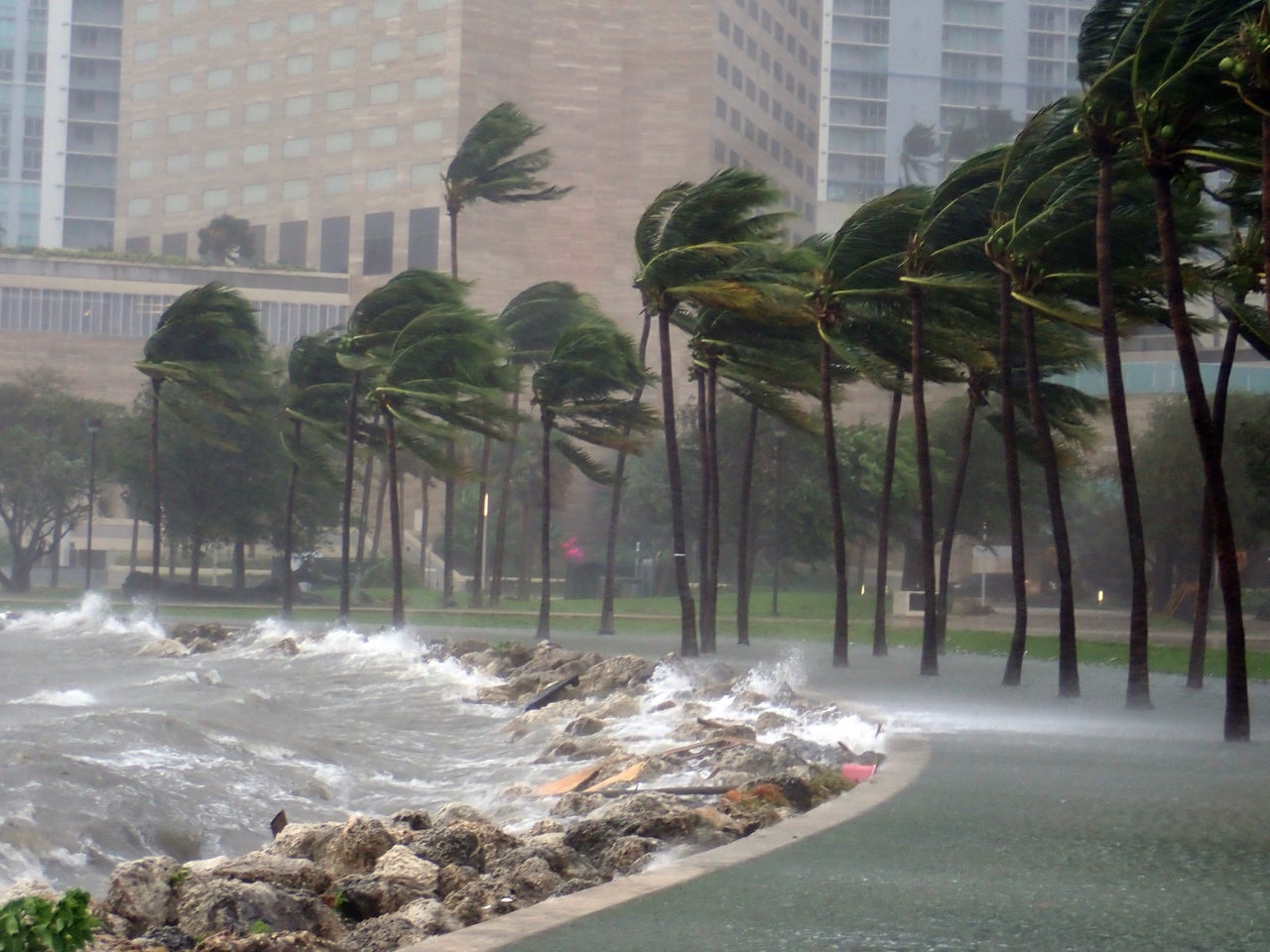
Home price pressures are even more pronounced in the areas of the country most exposed to natural hazards. By 2050, the top 10 riskiest areas of the country will see average annual losses spike 52%. Insurance costs, and homeowners’ monthly payments, are increasing alongside those losses.
Riskiest states in the U.S.
Data source: Cotality, 2026
Florida alone is responsible for $17.5 billion in projected average annual losses, that’s more than the forecast annual losses of $15.2 billion for all 10 of the safest states combined.
Rebuilding a home is a financial burden across all points of the industry. Lenders worry about mortgage payments. Insurers face portfolio profitability concerns. Homeowners can enter the classic default hierarchy: depleting emergency savings, maxing out credit cards, and tapping short-term debt before their financial cushion evaporates and they risk default.
Mapping portfolios on historical risk boundaries leaves blind spots. Buyers, lenders, and insurers need property-level clarity before the total investment cost can be judged with confidence and they can implement risk mitigation to build long-term resilience.