


Mitigate unpredictable seismic exposure
Unpredictable earthquakes threaten property portfolios without warning, creating severe unexpected claims and loss exposure.
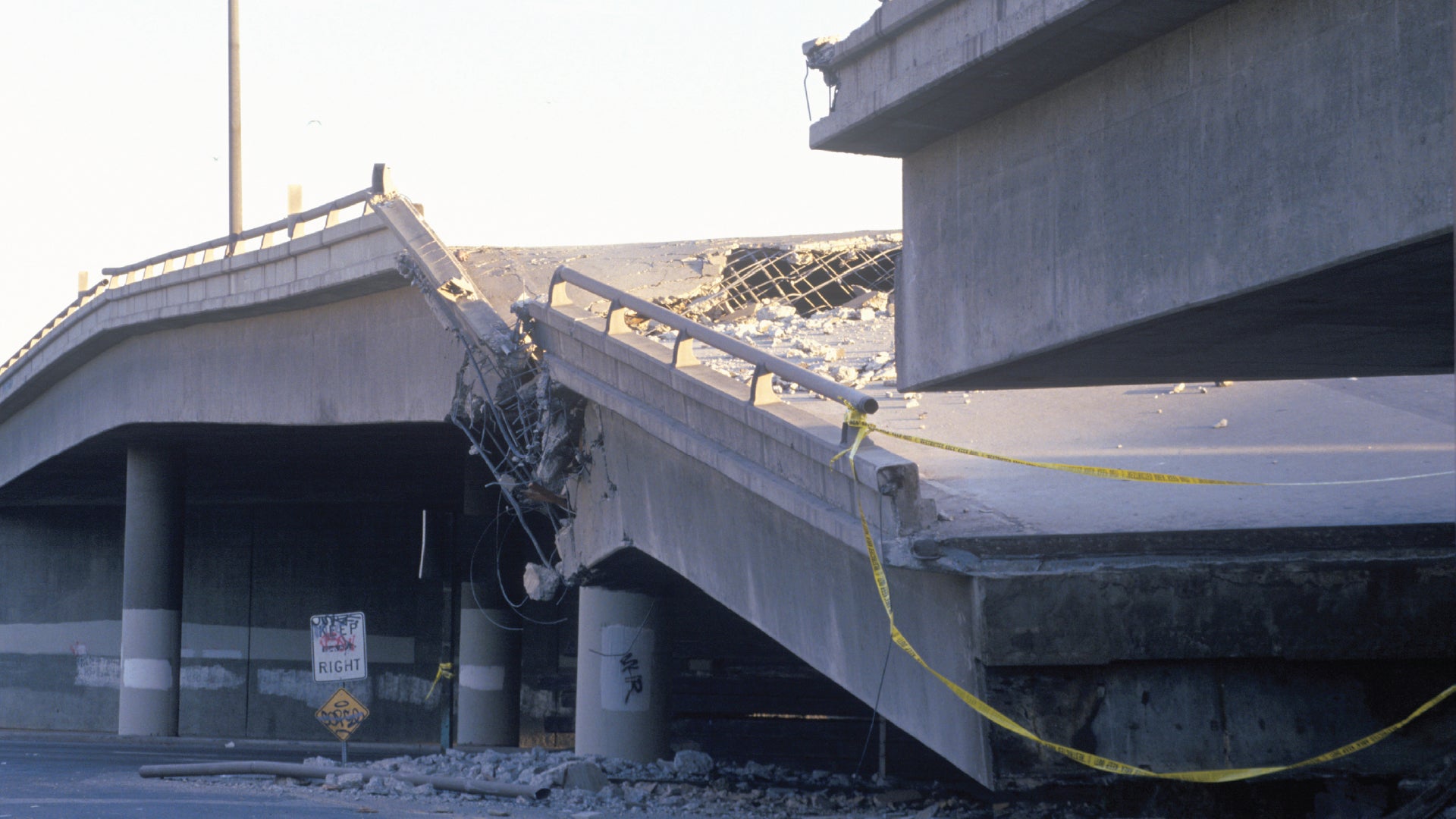
Stay ahead of earthquake risk
Managing earthquake hazards requires cutting-edge USGS science. For over 15 years, we’ve adopted updated research up to two years ahead of peers. This discipline provides a vital underwriting edge, which is why the majority of the US admitted market relies on our risk solutions.
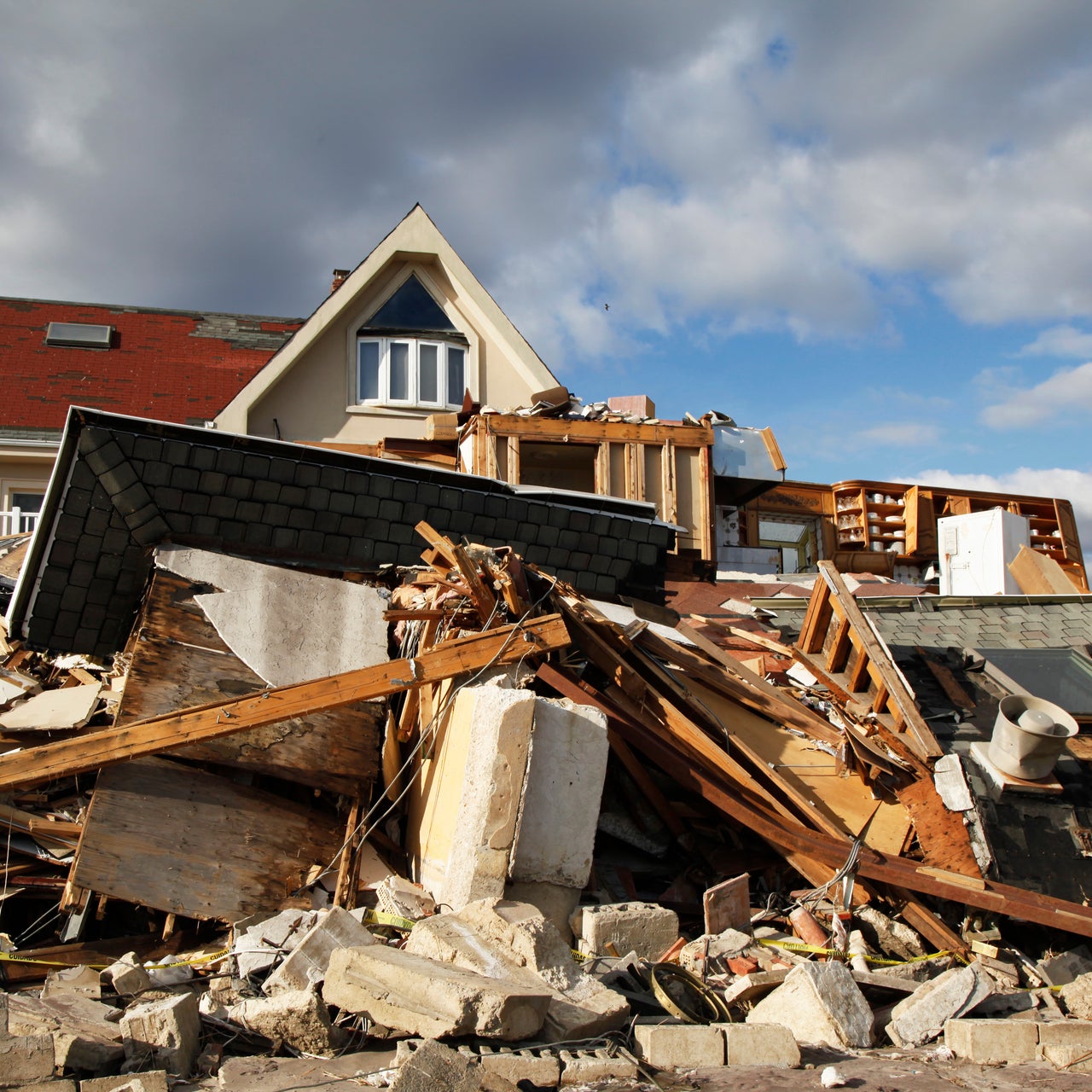
Comprehensive seismic risk metrics
Earthquake risk score
Quantitative score representing site-specific functional damage potential for structures across foreseeable horizons.
U.S. earthquake hazard
Assess site-specific earthquake risk using USGS hazard science, MMI, and 1-Second Spectral Acceleration. Evaluate structural damage and soil attenuation for precise underwriting decisions.
Earthquake ground motion intensity measure - MMI
Evaluates site-specific ground shaking intensity using Modified Mercalli Intensity, reflecting localized ground motion.
Earthquake ground motion intensity measure - 1-second spectral acceleration
Measures site-specific spectral shaking to quantify structural building response and vulnerability during seismic activity.
Soil susceptibility index
Measures risk covering liquefaction and ground failure as ground shaking alone does not explain earthquake damage, the soil beneath a building matters too.
USGS hazard science and ground motion attenuation
Transform property underwriting with Cotality's high-fidelity seismic science. By combining the latest United States Geological Survey hazard intelligence with localized wave attenuation, site geology, and soil susceptibility metrics, our risk scores reveal hidden vulnerability. Underwriters gain actionable clarity to differentiate site quality, minimize basis risk, and optimize capital allocation across complex commercial portfolios.,
FAQ
How does Cotality's earthquake solution evaluate property vulnerability and insurance conditions?
How granular is the localized earthquake risk intelligence?
What metrics are used to measure ground shaking and structural response?
How does the platform assess secondary hazards like liquefaction and landslides?
How does Cotality's earthquake product suite support underwriting decisions?
Related Resources


How can we help you?
Let's get this conversation started! Our team is here to provide you with more information and answer any questions you may have.
Trying to reach us by phone?
Get in touch with our sales team at (866) 774-3282. We're here Monday to Friday from 7 a.m. to 5 p.m. CT.
Looking for support?
Visit our dedicated support page to find support for all our products.