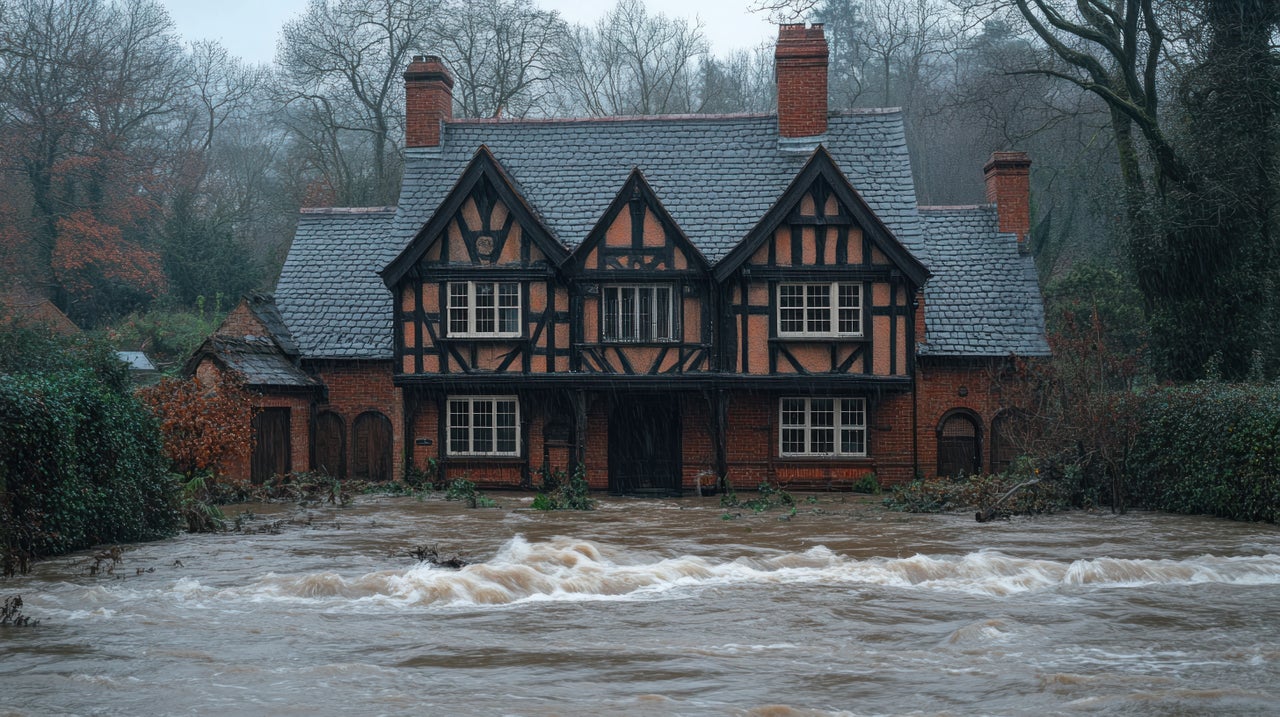
Weather is one of the oldest small talk topics there is, but in hurricane-prone Dare County, North Carolina, it stopped being small talk in 2023. That year, 13% of property insurance policies weren’t renewed, and home values fell about 10%. By 2025, price growth had turned negative. Homeowners did nothing wrong. The weather changed.

For decades, historical knowledge priced environmental risk as floods came on a somewhat predictable schedule, and hurricanes followed predictable seasonal patterns. Insurers wrote policies accordingly. But Cotality's latest data analysis in the United States and Australia shows the arrangement has broken, and that relationship will only become shakier heading into 2040.
Historical patterns no longer offer a reliable baseline for what's to come. The weather template is changing — it’s affecting the price of homeowner security, and home values are starting to reflect the difference.
Comparing home price and insurance non-renewals: Dare County, North Carolina
Data source: Cotality, 2026
Priced out of safety
Miami and Naples in Florida sit among the top three U.S. cities with the most homes exposed to three natural perils simultaneously over the next 30 years. A year ago, both were migration magnets, with median prices outpacing the national average. Now, the tide has turned. Miami's market flatlined in February 2026. Naples saw price growth fall 8.3%, according to Cotality’s Home Price Index.
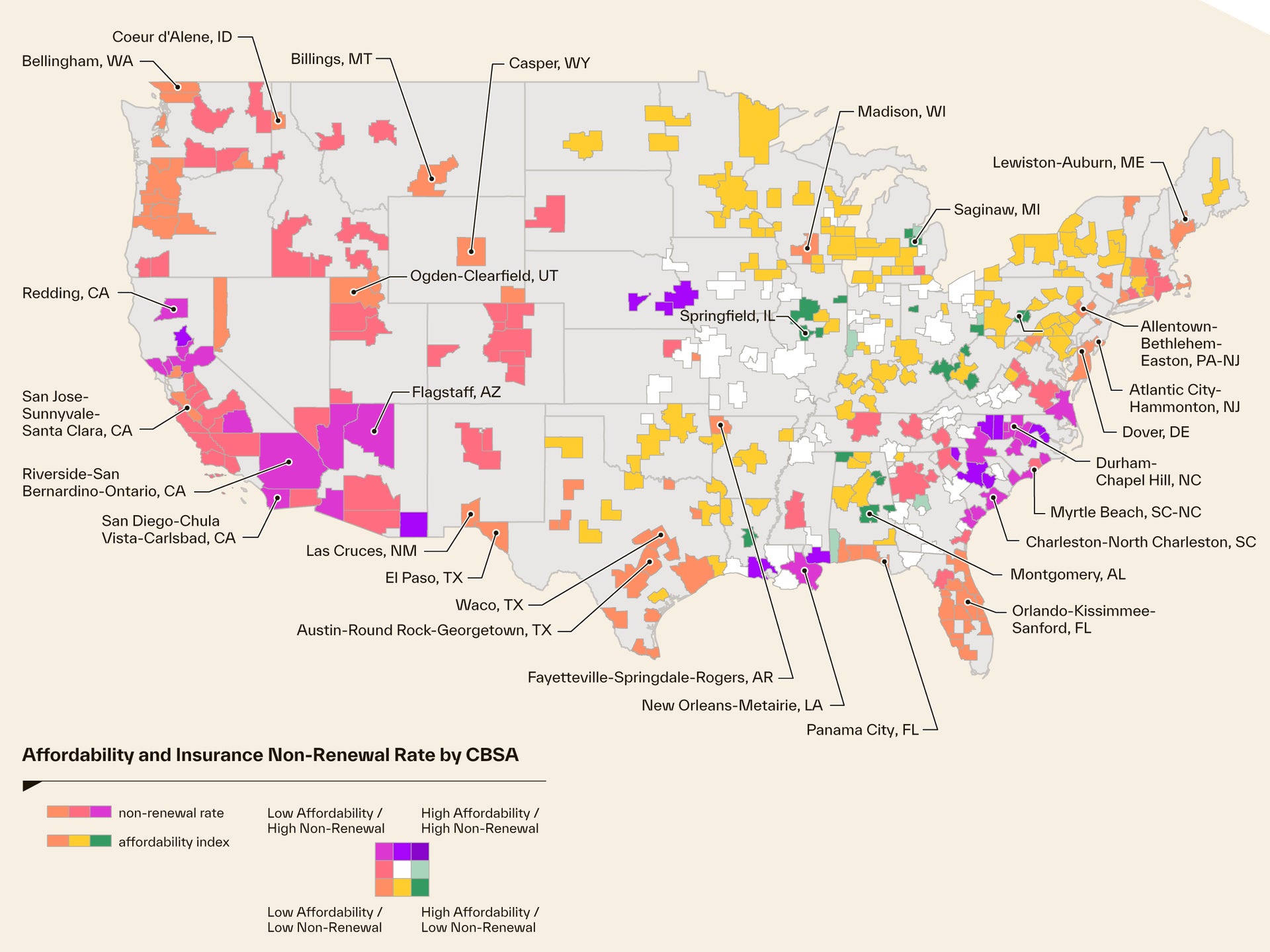
The impact of natural disasters on real estate
Data source: Cotality, 2026
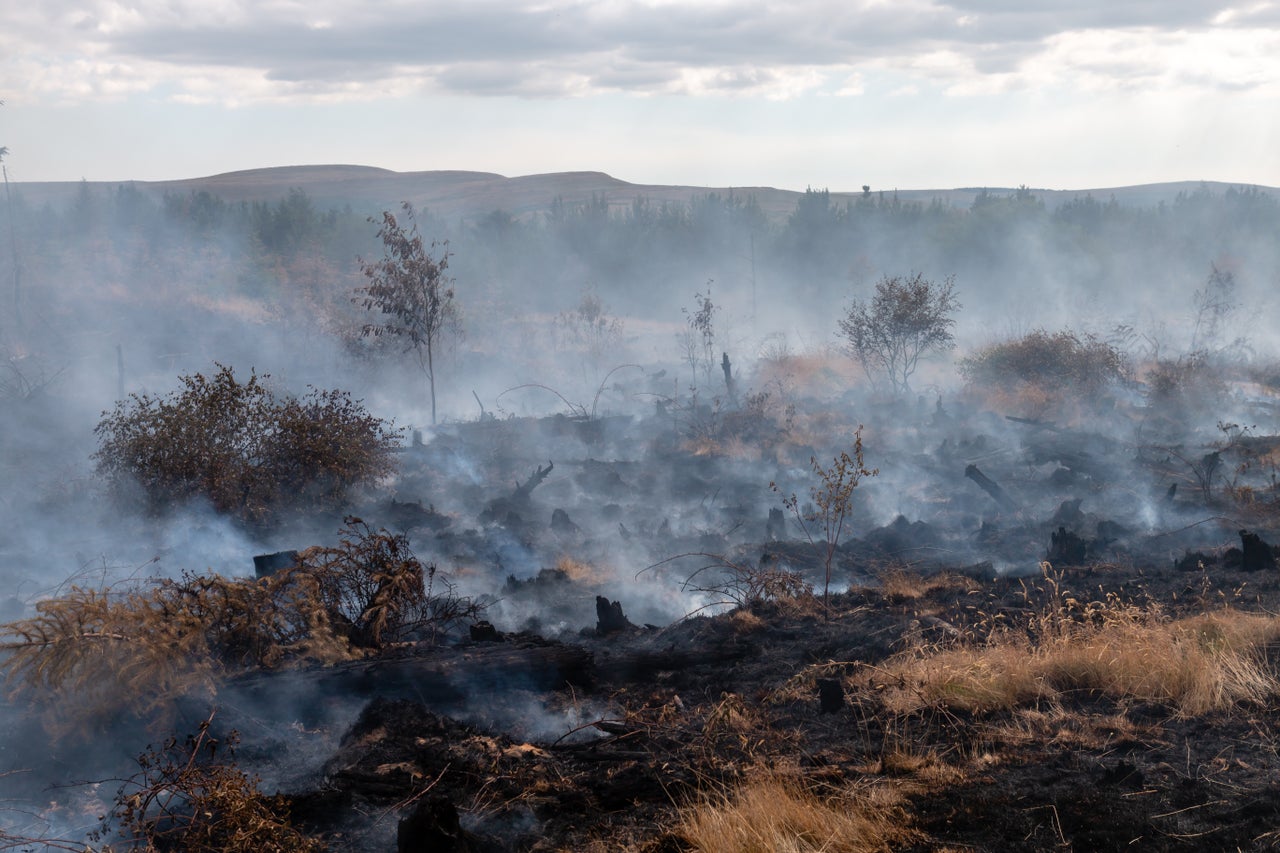
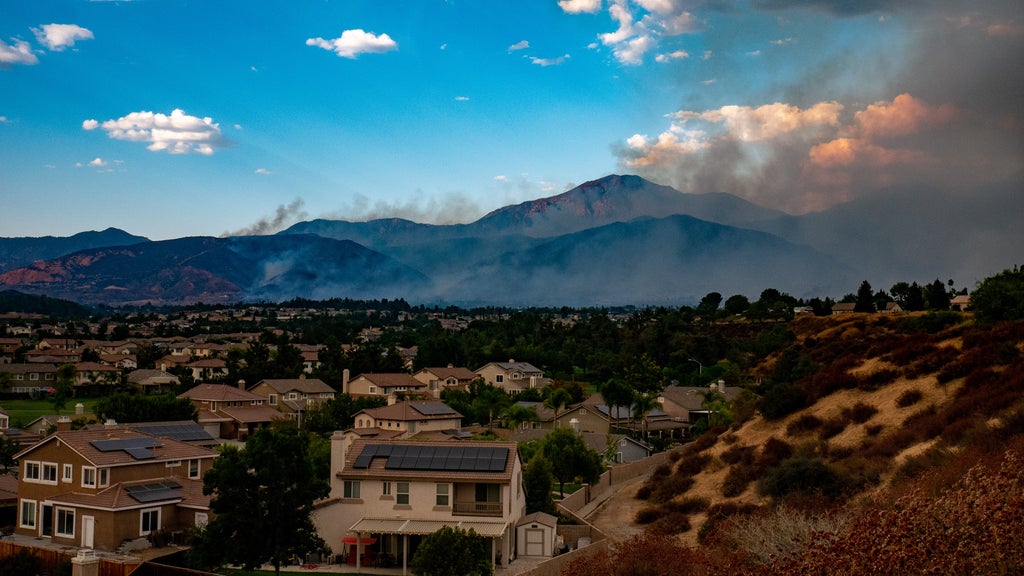
California is home to a similar scenario. The state has some of the highest home prices in the U.S., which limits the buyer pool. Those who do buy a home generally take out a mortgage. That mortgage requires insurance — but getting coverage is no longer a guarantee. Wildfire risk caused many major insurers to stop writing new policies in the state where losses are mounting — Cotality research found that annual wildfire losses are projected to reach $54 million in Nevada County alone over the next 15 years. In areas like Lake County, California, the costs of environmental risk are giving carriers pause, and have pushed the insurance non-renewal rates to 7.6% in 2023. Those who can afford to still buy a home often ask for a risk discount. Environmental risk in homebuying kicks off a downward pricing trend that can depress the market over time. Already, the state has seen negative price growth in 2026.

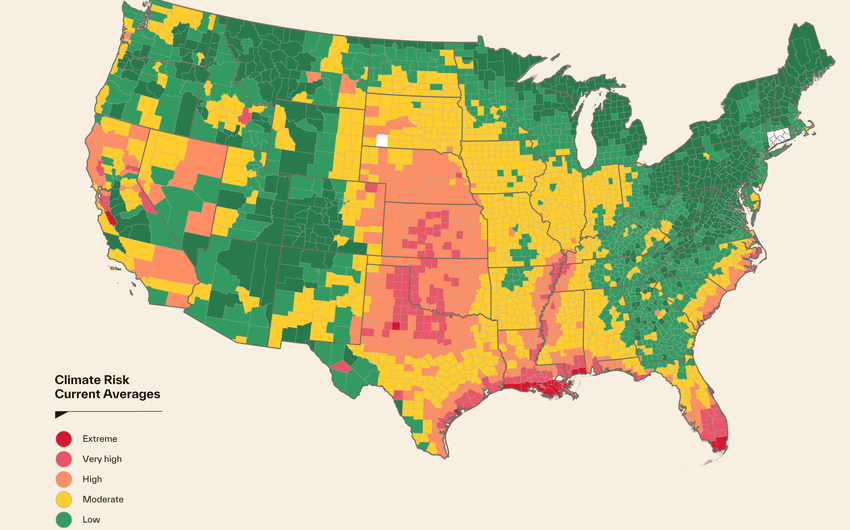
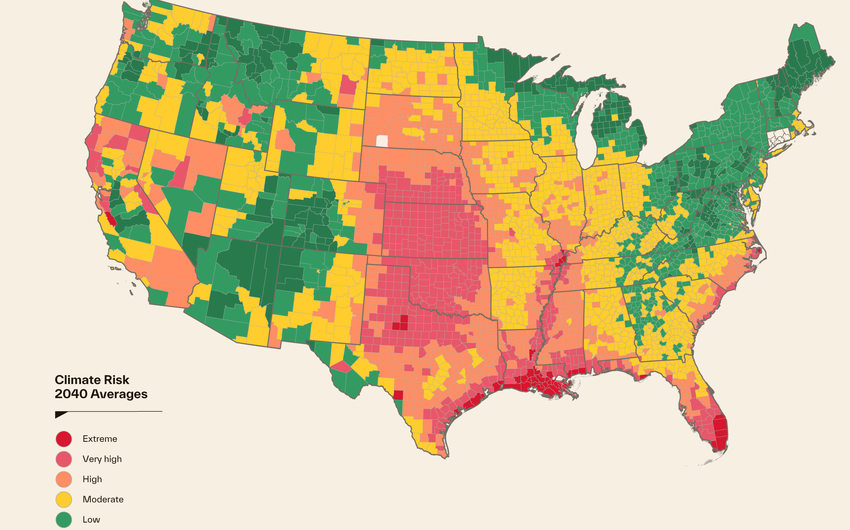
Between 2026 and 2040, Cotality’s Climate Risk Analytics identified current “safe” markets that will become uninsurable housing markets.
Current climate risk averages
Climate risk averages in 2040
Data source: Cotality, 2026
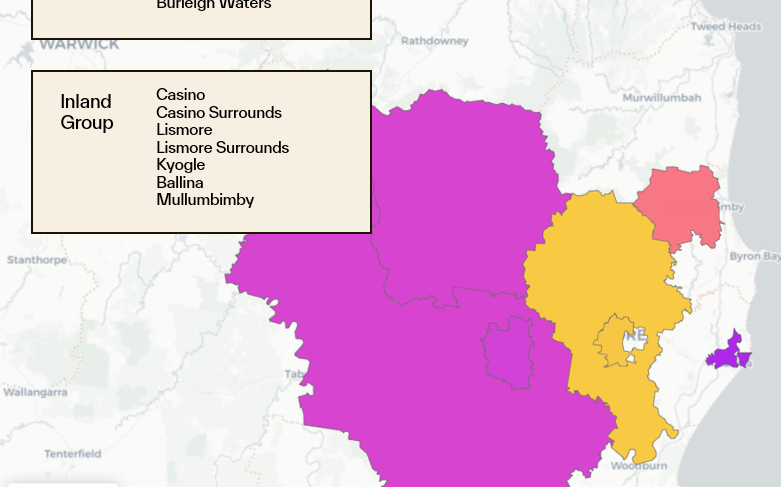
Australia is seeing a similar trend. The three towns flooded in 2022 — Lismore, Mullumbimby, Ballina — sit 5% below their pre-flood values, and buyers haven't returned. Yet, just to the north, coastal South-East Queensland, also flooded, rebounded within months and now sits 31% above pre-flood prices. Lifestyle-driven demand in that region appears to be holding the price up where it can. Where it can't, the weather-driven discount sticks.
Climate risk assessment of Australian communities
Data source: Cotality, 2026
"The combination of extensive damage and persistent risk of disruption in these areas of northern New South Wales isn't compensated for by the lifestyle demand seen in coastal suburbs of Queensland," said Richard Griffiths, Cotality's Head of Sustainability Solutions.
Don't discount disaster: Environmental risk in homebuying
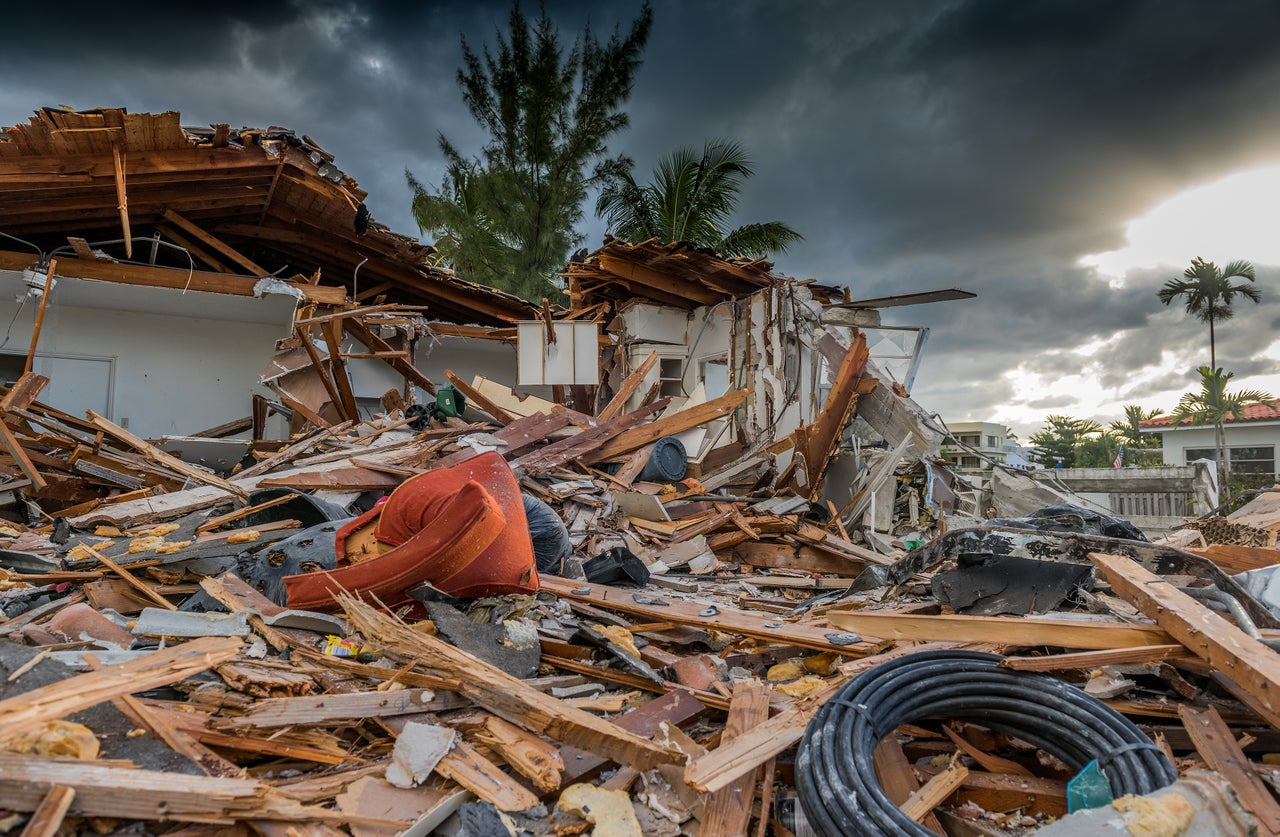
Hurricanes and wildfires in California and Florida tend to get the media attention, but trouble is also present up in the middle of the country, where hail, tornadoes and storms are running up the bill one premium hike at a time. In Winkler, Texas, nearly one in four homeowners had insurance policies dropped. In Kiowa County, Oklahoma, Cotality projects $1.4 million in additional annual storm losses across just 8,800 homes by 2040.
The mathematics have tipped to the point that insurance premium and deductible increases in Kiowa County now outpace yearly equity gains. Owners are paying more to protect a home that's earning less.
Such rising costs are particularly landing on Gen Z. In Nebraska and Oklahoma, 9% of mortgage applicants are under 25, drawn by lower home prices, but not always seeing the full picture when insurance is factored in.
Cheap homes, costly futures
Younger buyers are, unsurprisingly, prioritizing affordability in the short term, but today’s price tag doesn’t account for future costs that increasing environmental risk will bring by 2040. A lower mortgage today can mean a larger insurance bill tomorrow, or a buyer five years out who won't pay what the current owner did.
"This is a national challenge in Australia," said Griffiths. "As climate events become more frequent, the gap in how Australian communities experience and recover from disaster will only widen, further exacerbating inequality between more desirable coastal communities and rural areas."
The reality is that where weather is worsening, it adds a layer of cost to markets that were already unaffordable. The pool of viable places shrinks while the pool of buyers chasing them grows.
This is a structural fault line. If safety now carries a premium, that premium will widen the gap that already keeps many people out of homeownership and stalls one of the largest economic engines for a population.