


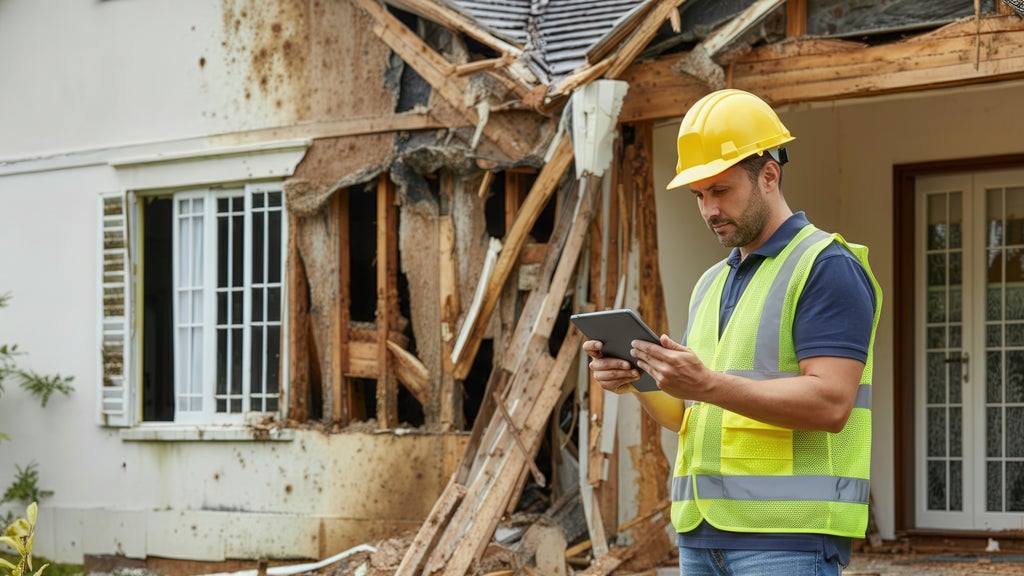
Overview
While the appearance of a 2026 El Niño suggests a milder Atlantic hurricane season, U.S. property risks are shifting, not shrinking:
- Southwest: A milder summer may mask how chronic extreme heatwaves and water stress threaten grids and property values.
- Southeast: Increased rainfall elevates inland flood risks, exacerbating insurance gaps in vulnerable markets like Florida.
- Takeaway: This temporary calm is a critical time to fortify physical and financial resilience.

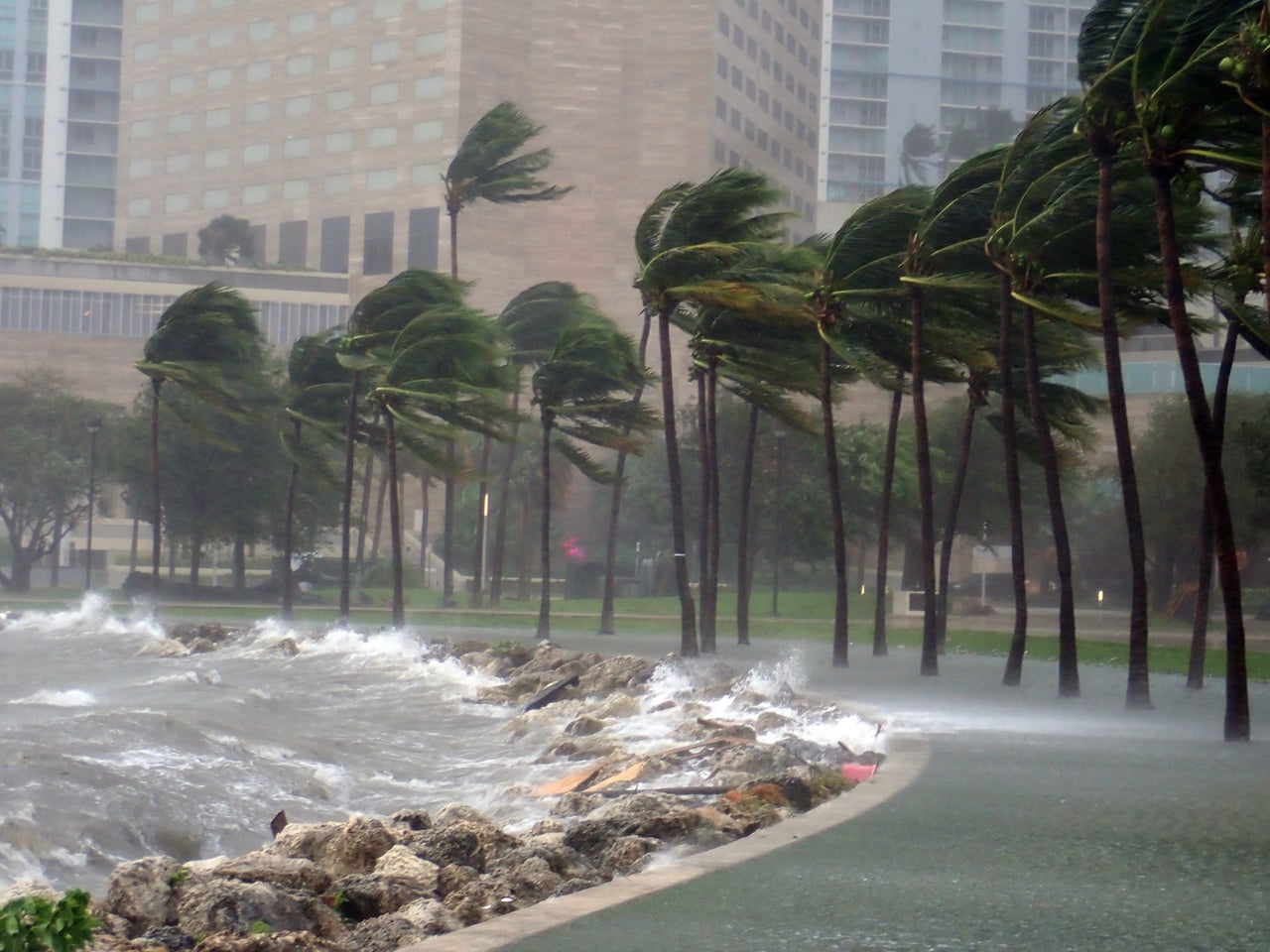
As El Niño signals develop, confidence is increasing that the 2026 hurricane season will shape up to be a mild one. But this short-term reprieve does not change the reality that chronic water scarcity, escalating heat, and the growing intensity of hurricanes are the new baseline.
Cotality data shows that changing environmental risk factors are adding an extra layer of costs to buying a home. Those extras can be the difference between recovery after a storm and long-term financial vulnerability.
Understanding this shift is not just about watching the forecast. It is about recognizing that this temporary calm is a signal to fortify properties, reassess insurance coverage, and price real disaster risk into your financial future.
How the ENSO cycle shifts long-term property risk
A super El Niño won’t affect U.S. regions equally. When the El Niño-Southern Oscillation (ENSO) cycle pushes the Pacific jet stream southward, California and the Southwest often see higher odds of above-normal precipitation while the northern climes become warmer and drier than normal.
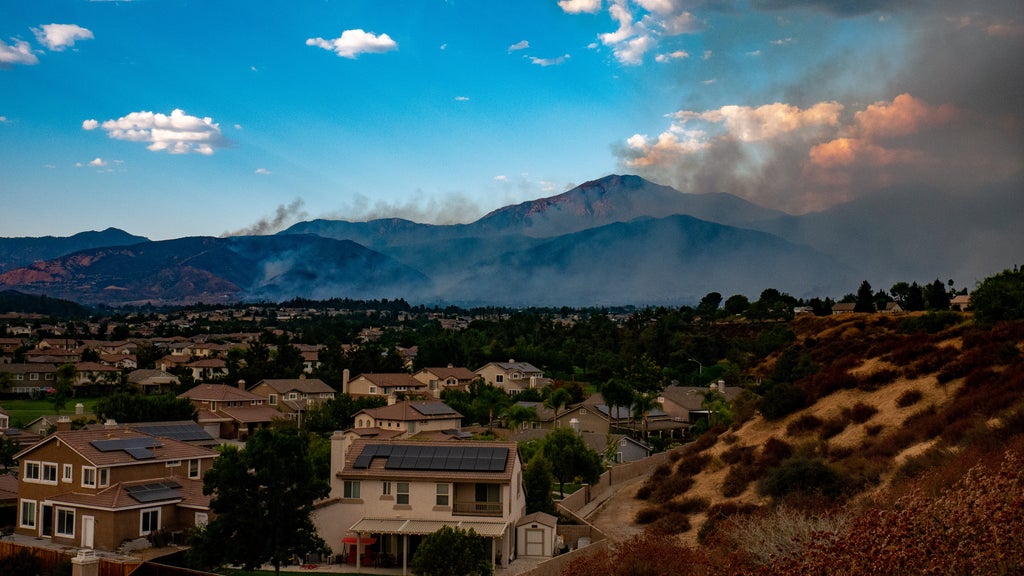
Summertime across the U.S. is becoming harsher as dangerous heat waves affect lives, properties, and finances. By mid-century, California is projected to face some of the steepest increases in the number of heatwaves, while the scorching environments of the American Southwest are forecast to grow even more extreme.

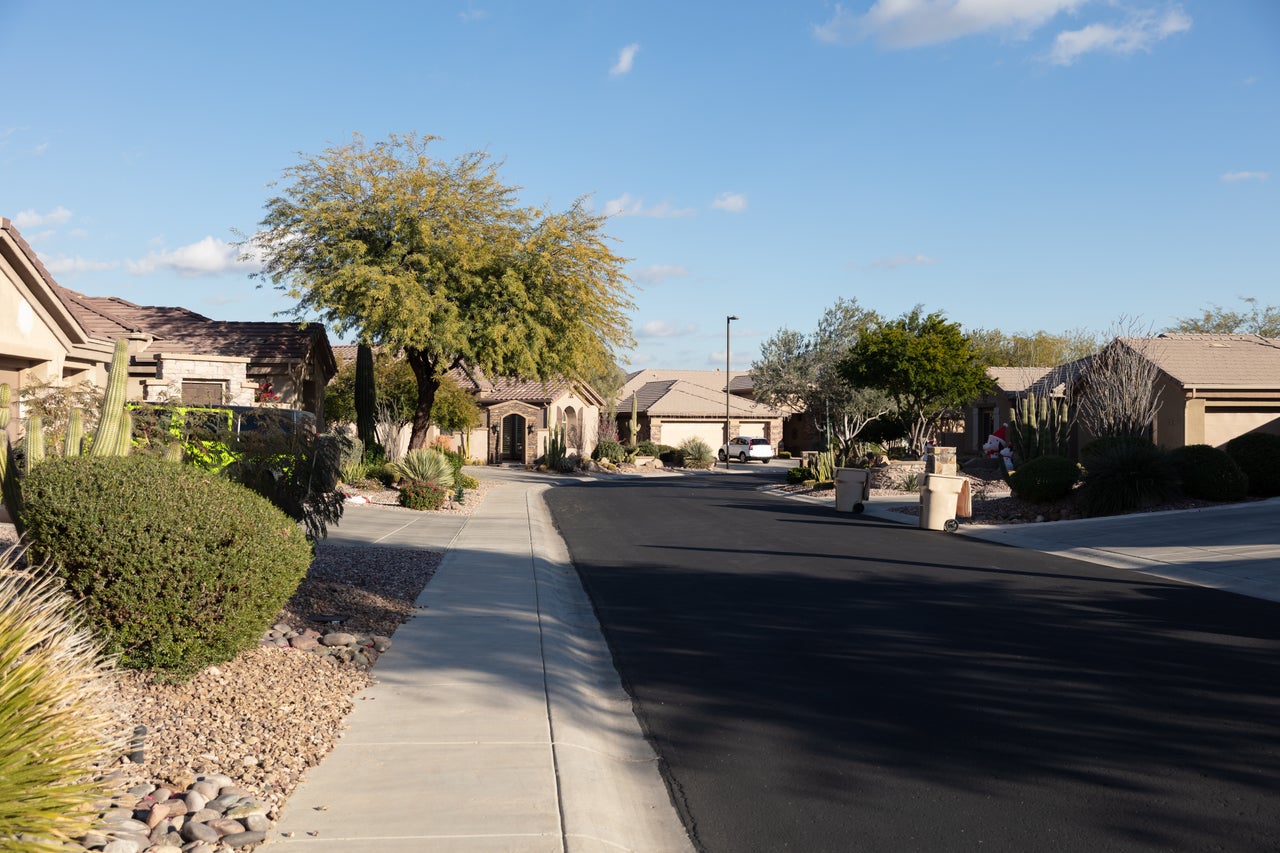
In Arizona, Cotality forecasts the heat stress from days above 110 degrees in Maricopa County to increase by 39% by 2050. This increase in the number of days with extreme heat threatens to overload power grids, deplete vital drinking water systems, and dramatically drive up average annual financial losses for property owners and lenders alike.
Understanding these persistent, long-term trends through data is the only way to accurately assess risk, build resilient communities, and be prepared for when the temporary rainfall fades and the inevitable heat returns.
El Niño will affect the Atlantic hurricane forecast in Florida
El Niño generally brings wetter conditions to the Gulf Coast and Southeast. However, these wetter conditions aren’t linked to hurricanes. Instead, elevated flood and severe storm risks threaten to fracture a market already pushed to its breaking point.

The Sunshine State is currently grappling with a highly volatile insurance landscape where major carriers are withdrawing and premiums have surged 60% in just a few years. An El Niño season will add additional pressure. According to Cotality data, metros like Miami and Naples are already heavily exposed to a triple threat of natural hazard risks, and vast swaths of vulnerable areas, like the Tampa region, suffer from dangerously low flood insurance coverage.
Should the ENSO system tip into super El Niño status, insurers looking at the hazard models will see a forecast for a below-average 2026 Atlantic hurricane season. But they will miss the consequences that increased inland rainfall and storms could bring in future years.
The hidden costs of underinsurance
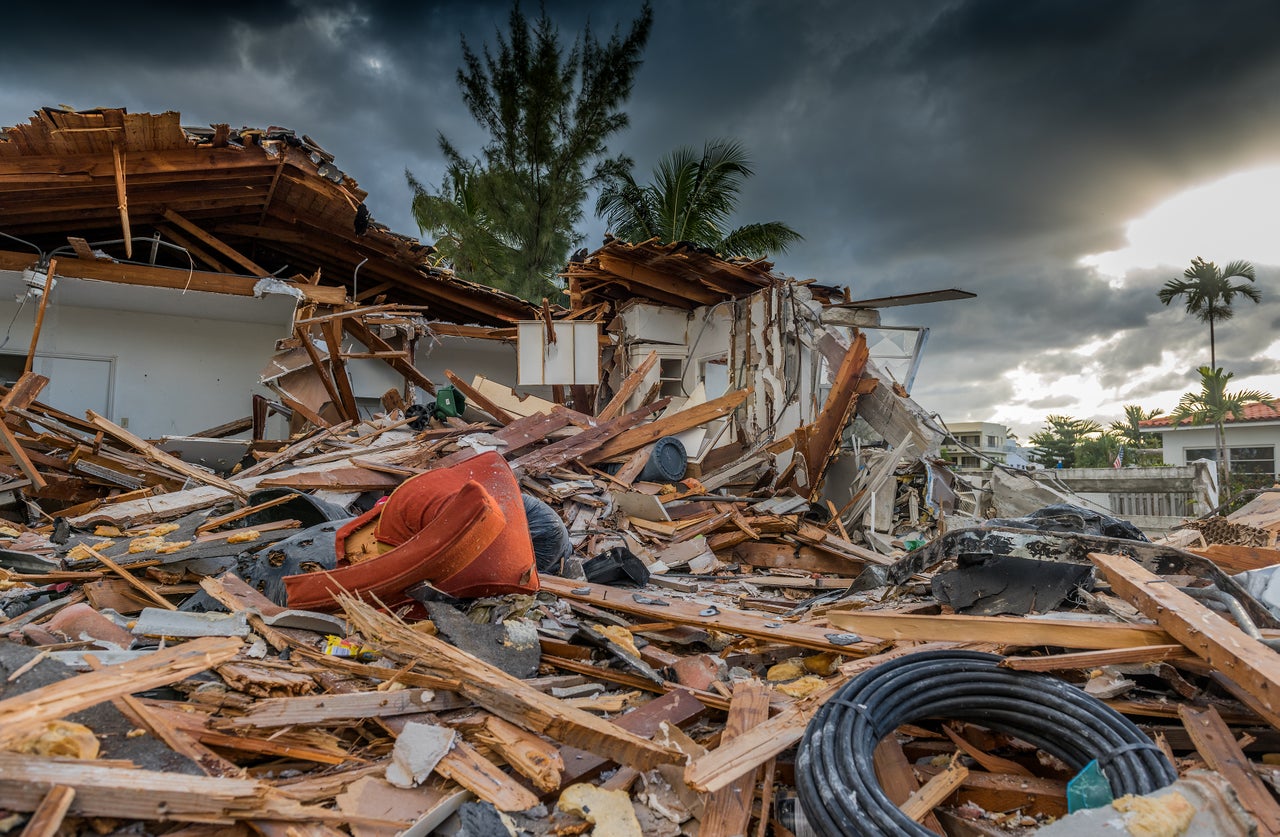
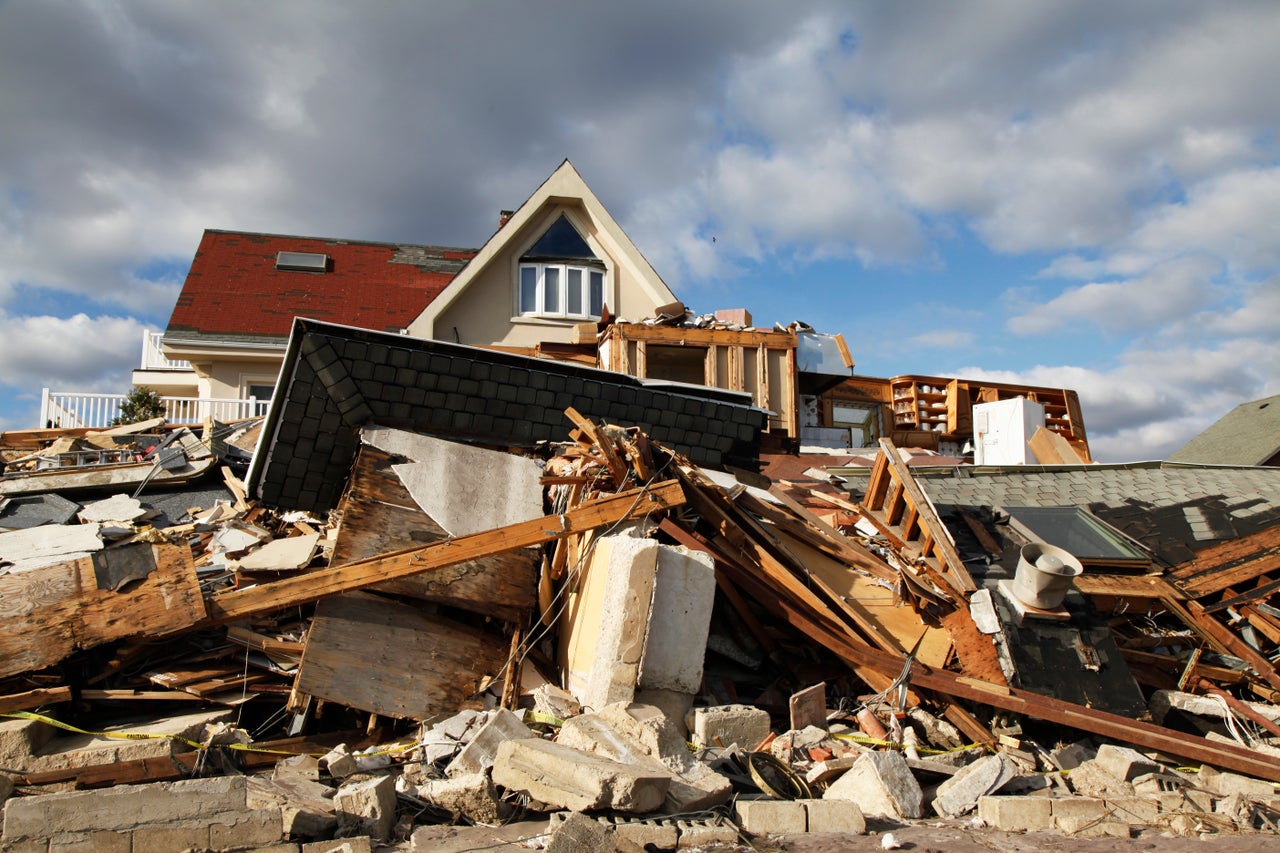
A super El Niño will reveal insurance gaps and could leave homeowners financially exposed. Already, insurance gaps are beginning to appear across the U.S. In Buncombe, Haywood, and Transylvania Counties in North Carolina, only about 1% of the structures had flood coverage from the National Flood Insurance Program (NFIP). So when Hurricane Helene brought record-breaking rainfall with overflowing rivers, entire towns were submerged with little financial recourse when rebuilding in the aftermath.
But storms will happen, and people will need to rebuild properties — and lives. Without understanding how to account for this risk, future costs will overwhelm the foundations of the insurance industry. The only way to prevent that is to make our housing system more resilient, both physically and financially.







.jpg)