Homeownership has a running tab. Property taxes, insurance, maintenance and community charges can turn a carefully calculated mortgage into an unaffordable month.
New Cotality analysis reveals one sign of that pressure. Across the U.S., the number of homeowners association liens rose from 177,260 in 2022 to 250,951 in 2025, an increase of 41.7%. HOA-led foreclosure filings increased by 46.1% over the same period.
What is a homeowners association?
A homeowners association, commonly called an HOA, is a private organization that manages a residential community. Membership is usually compulsory when someone buys a property within that community.
The association collects regular dues to maintain shared spaces and services. These can include roads, landscaping, swimming pools, security and repairs to communal buildings. It can also enforce rules covering the appearance and use of properties.
An HOA is a pass-through entity with a zero-sum operating budget. If insurance, repairs, labor or maintenance become more expensive, the association must bridge the gap through higher recurring dues or a one-off special assessment. Those assessments can break the careful financial balance that homeowners have constructed.
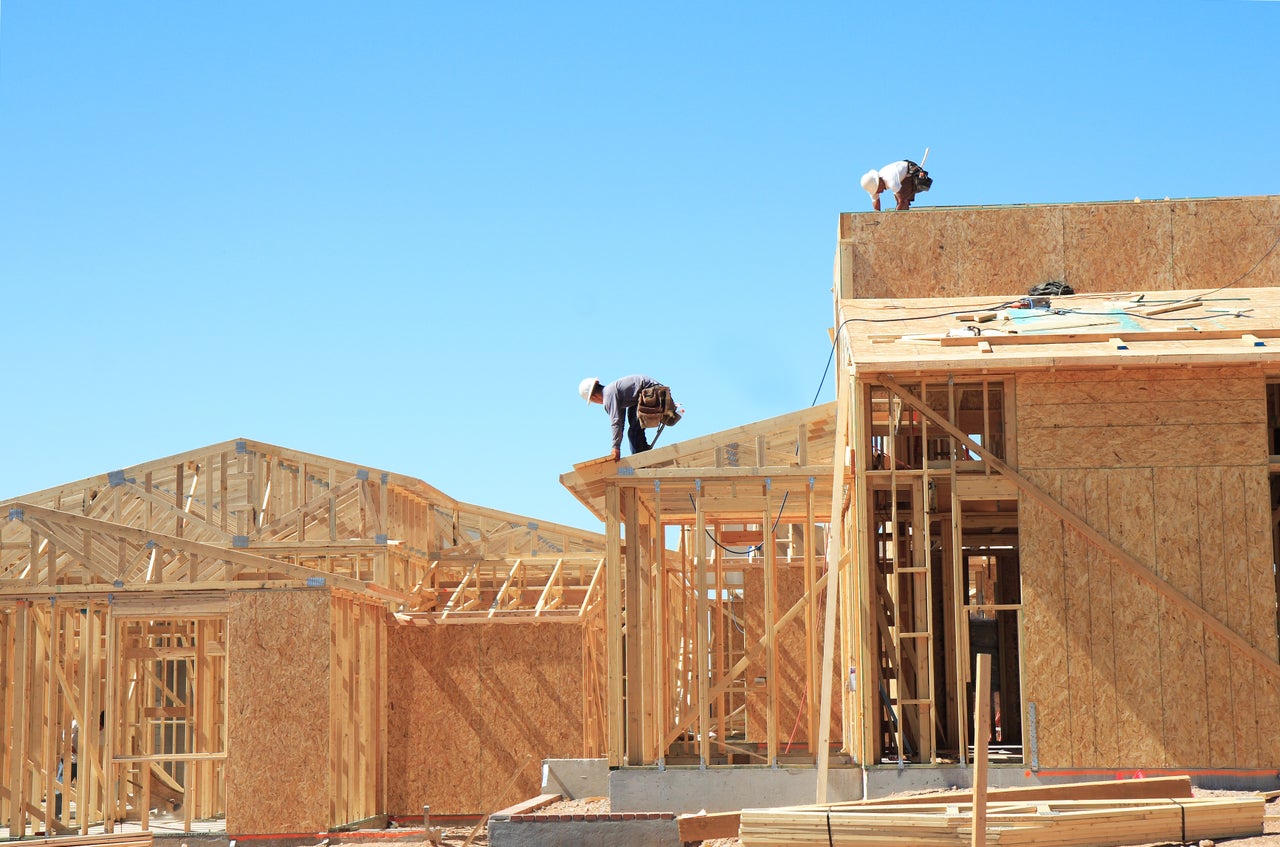
These charges are increasingly common. In 2024, 65.7% of new single-family homes were built within a community or homeowners association, according to National Association of Home Builders analysis of Census Bureau data. The proportion reached 81.6% in the Mountain states, which include Arizona, and exceeded 70% across parts of the South.
Alongside this, new construction is also becoming more expensive from several angles. Homes are smaller. Competition with investors is fierce. Construction material and labor costs have risen sharply, adding to up-front costs, and the knock-on impact hits home prices and mortgages.
Liening in
The pressure from HOA costs is showing up in a rising number of liens. A lien is a legal claim recorded against a property when a debt remains unpaid. An HOA lien can complicate or block a sale or refinancing until the debt, legal costs and penalties have been settled. In some states, the association can eventually foreclose and force the sale of the home.
A lien from an HOA is a small but mighty signal of a market under stress. When household budgets come under pressure, distressed borrowers follow a default hierarchy. They stretch credit card balances, deplete cash reserves and delay monthly bills before missing a primary mortgage payment. HOA dues can feel easier to postpone.
“Homeowners tend to deprioritize HOA obligations as household liquidity is declining and the cost of homeownership mounts,” said Praveen Chandramohan, Cotality’s SVP of Mortgage Data Solutions. “In super lien states like Florida, these relatively small sums can tip the scales. Homeowners missing payments become indebted and lender portfolios can see these mortgage positions — and any accumulated equity that could be recouped through a foreclosure — written off to a community association.”
State law determines the size of the HOA cost risks. In a “super lien” state, part of the HOA’s claim can take priority over an existing mortgage. Some states also permit foreclosure without a lengthy court process.
The proportion of HOA liens progressing to a foreclosure filing remained at roughly one in nine between 2022 and 2025. The increase in foreclosures begins with a growing number of owners falling behind. For lenders and mortgage servicers, the lien can be a useful portfolio risk indicator that supports early, borrower-focused intervention.
The Sun Belt melts finances
The states that drew some of the largest numbers of migrants during the pandemic are now recording some of the highest volumes of HOA liens. Florida, Texas, Nevada, California and Arizona accounted for 85.2% of HOA foreclosure filings in 2025.
Florida recorded 45,025 HOA liens in 2025, 56.2% above 2022, and 9,531 HOA foreclosure filings. Cotality found that Florida property taxes rose 9.5% a year from 2019 to 2024. Hurricane exposure, reconstruction and reinsurance are also keeping insurance costs high.
Texas recorded 36,194 HOA liens, an increase of 46% over three years. Its relatively accessible home prices can conceal expensive property taxes and insurance. According to Cotality’s Insurance Premium Forecast data, the median home insurance premium across Texas ZIP codes surged 69% between 2019 and 2024.
Arizona recorded 17,679 liens, up 39.2%. Although this is another state that is hailed for its more affordable housing, Cotality found that property-tax payments in Maricopa County rose 15.4% between 2019 and 2024. Rising insurance, energy and property-resilience costs are adding pressure as extreme heat becomes more persistent.
“Monthly community dues are not marginal. They can be hundreds of dollars per month, a figure which can tip budgets into the red for many American homeowners,” said Cotality Chief Economist Dr. Selma Hepp. “The strain is becoming acute as these costs combine with other increasing monthly obligations like insurance.”
These states attracted buyers with the promise of space, new homes and relative affordability. For younger buyers and those in lower income brackets, new construction has often provided a route into ownership. The costs that follow closing are changing that calculation.
Cotality’s Housing Affordability Index found that taxes, insurance and private mortgage insurance now account for over 40% of the total monthly housing obligation in many markets. For first-time buyers with limited reserves, an unexpected increase in dues or a special assessment can quickly consume the remaining room in the budget.
For decades, the classic first step into homeownership was a modest starter home in an established suburb or a newly built house on the suburban fringe. That ladder is straining under the weight of costs that arrive after closing as HOA communities grow.
The HOA lien captures the moment when those pressures meet. For homeowners, it can signal that the monthly budget has run out of room. For lenders and servicers, it is an indicator that can support earlier, proactive engagement —including loss-mitigation and payment-assistance outreach—to help keep families in their home.
A premium on peril
HOA dues are landing alongside another fast-rising cost: homeowners insurance.
Premiums in Florida increased by an average of 60% between 2019 and 2023. Texas homeowners paid 60% more in 2024 than in 2019, while Arizona premiums have risen by nearly 70% over six years.
The risks behind those increases vary by state. Arizona homeowners face intensifying heat and the associated costs of cooling, maintenance and property resilience. Florida and Texas carry exposure to several natural hazards at once.
Texas leads the country for hail damage. Cotality data shows that nearly 240,000 homes were struck by two-inch hailstones, exceeding the combined number across more than 40 other states. Wildfires and hurricanes add the prospect of billions of dollars in damage during a severe year.
Florida faces its own concentration of risk. Cotality Climate Risk Analytics projects that Monroe County will become the fourth-riskiest U.S. location for natural disasters over the next 30 years because of its hurricane exposure. Miami and Naples are also among the three cities with the greatest number of homes exposed to overlapping flood, wind and hurricane risks.
These insurance pressures arrive with mortgage rates close to 7%. Cotality data also shows that buyers need an additional $200,000 to purchase a median-priced home compared with a decade ago. Each extra bill leaves less room for HOA dues, repairs and the unexpected costs that follow closing.




















.jpg)