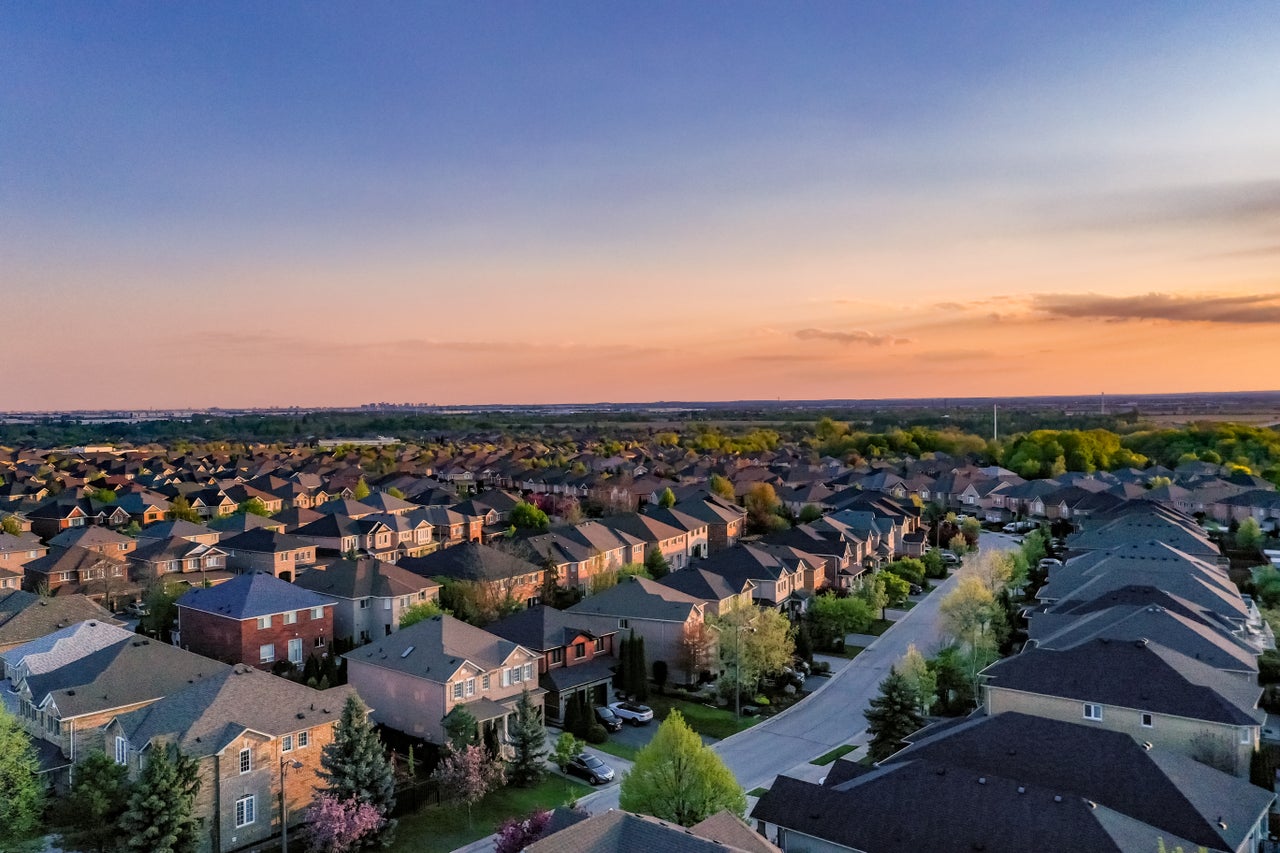
Homeownership may no longer be the fluid wealth-building tool it once was. U.S. home values have skyrocketed 147% over the last 15 years, and equity has climbed alongside that.
While this equity surge represents a historic windfall on paper, a decades-old tax limit1 is keeping some families frozen.
Increasing capital gains taxes could discourage mobility, delay downsizing, or complicate retirement timing. This is especially true for homeowners who are wealthy on paper but may not have the cash flow to match.
Equity extraction comes at a cost
This map shows where homeowners are most likely to pay capital gains taxes on the profits they make on the sale of their home.
Mapping where homeowners make over $500K in home sales profit
Data source: Cotality, 2026
In which states do homeowners pay the most in capital gains taxes?
California: 25% of homeowners pay capital gains taxes. With a median home price that is 81.6% more than the national median, California has some of the lowest affordability in the U.S., according to Cotality’s affordability index. It also means that a quarter of all homeowners there make over $500,000 of profit selling their primary residence.
Hawaii: Twenty-one percent of homeowners pay capital gains taxes. The Aloha State has a median home price of $735,000. When compared to the national median of $417,450, it’s no surprise that sellers are left with a hefty tax bill after parting with a primary residence.
Washington: Nineteen percent of homeowners pay capital gains taxes. Prices in this northwestern state are nearly $100,000 less than in California and Hawaii, but the share of homeowners paying capital gains taxes is in line with its more expensive neighbors. This indicates that home prices this state have made huge strides, leaving homeowners with tidy profits.
Is homeownership still a wealth-building tool?
In some states paying capital gains is par for the course — Cotality found that the top states for capital gains taxes remain steady year over year. So, it’s worth looking at the states where people pay the least amount in capital gains. In the last two years, West Virginia has moved up four spots. South Dakota rose eight spots; 100% more homeowners now pay capital gains taxes in the state. However, Indiana dropped down one rung in the rankings.
It is these states — where paying taxes on the sale of a home are far less common — where the pressure is felt. Homeowners may choose to stay put rather than relocate, shrinking the supply of homes for new buyers and determining when and where families can take the next step in their lives. If more homeowners paying capital gains taxes grow in these states, there is a greater chance it will eat away at the savings that underpin the overall economy.
Buyers, lenders, and real estate agents need to know how the market is moving before it takes its next step so they can clearly see the trends that will develop into a pathway to wealth.

1 Federal tax rules only exclude the first $250,000 of home sale profits for single filers ($500,000 for married couples). In modern markets, profits regularly crest these limits, leaving everyday families facing massive, unexpected tax bills that eat directly into their hard-earned equity.




















.jpg)