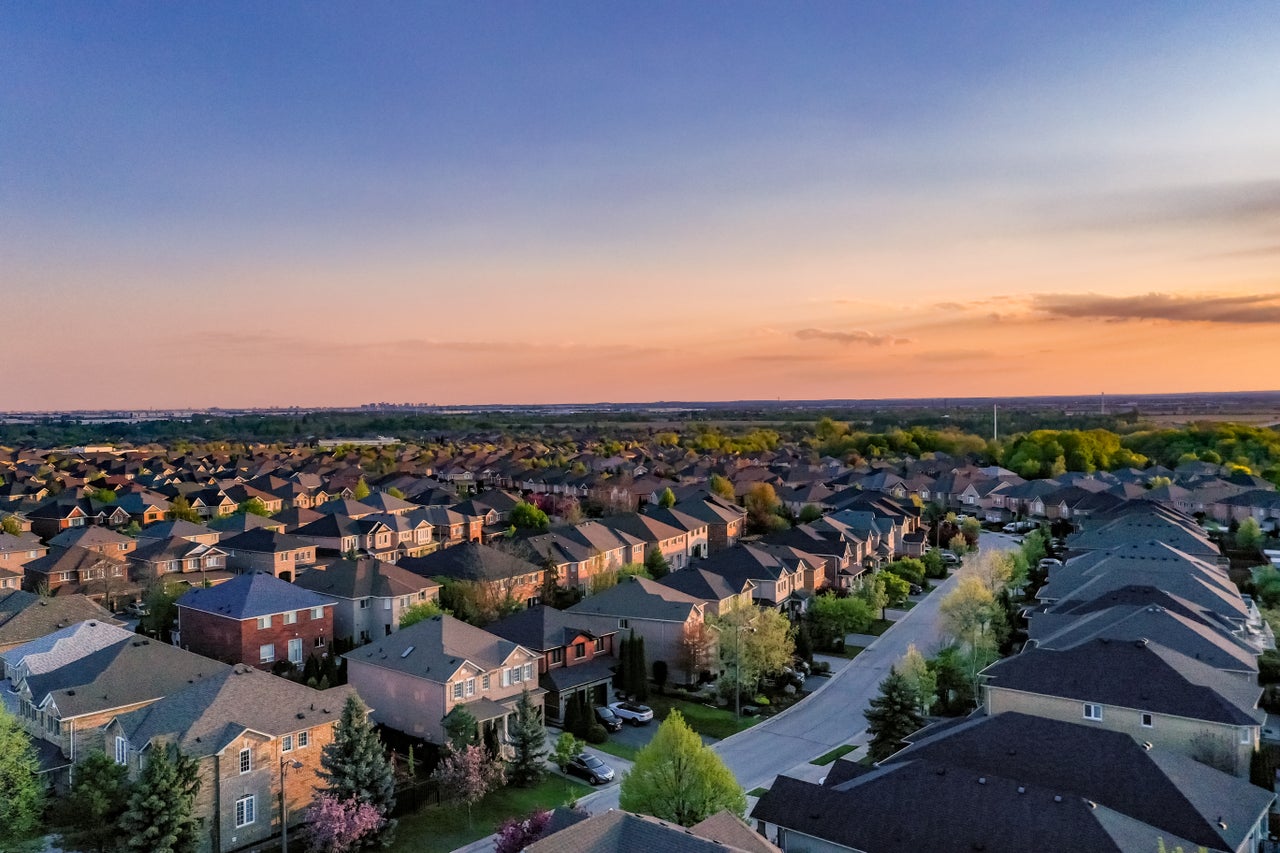
- Rising interest rates and insurance hurdles have doubled the rate of failed financed deals, now 5–6%, making cash offers more attractive to anxious sellers.
- In states like California and Florida, failed sales due to insurance issues nearly doubled last year, according to Cotality data.
- Financed buyers face a "wealth tax," needing to bid $7k–$10k extra to compete with cash. This hurdle has pushed first-time buyers to a record low of 21% of the market.

Sellers are paying more for certainty than they used to.
Cash offers from homes in the U.S. promise speed and fewer ways for a deal to unravel. That promise comes at a price. Sellers are accepting materially lower offers to secure it. The question is whether the discount attached to certainty still reflects the risk being avoided, or whether value is being surrendered for reassurance.
Cash buyers have always enjoyed an edge over borrowers. They remove financing risk, reduce delays, and often close in days rather than weeks. For sellers juggling onward purchases, carrying costs, or simple fatigue, that reliability carries real appeal. Even a lower price can feel worthwhile if it avoids the anxiety of a failed sale.
Cotality data shows that this preference has hardened into a widening price gap. In 2025, sellers accepted an average 9% discount on cash purchases compared with financed ones. That gap has grown steadily, from 4% in 2021 to 6.2% in 2022, 6.8% in 2023, and 7% in 2024. Cash buyers are winning more often and paying less each year to do so.
Average discount below AVM for cash vs. mortgaged purchases (2021–2025)
Data source: Cotality, 2025
At first glance, this behavior looks rational. Affordability pressures have narrowed the buyer pool, leaving listings on the market for longer. At the same time, deals have become more fragile.
As interest rates rose after 2022, the share of pending transactions that failed to close roughly doubled, climbing from around 2 to 3% in the low-rate years to 5 to 6% more recently. Financing has become harder, affordable insurance is more difficult to find, and buyers have to walk.
Uncertain truths
Against that backdrop, certainty carries weight. A cash offer removes financing and appraisal contingencies, and any requirements for insurance. In many cases, it also comes with fewer inspection demands, reducing the scope for renegotiation after acceptance. From a seller’s point of view, a lower but reliable offer can feel preferable to a higher one that may collapse weeks later.
Yet the arithmetic begins to look strained when the size of the discount is set against the risk it is meant to offset.
At today’s median home price of roughly $410,000, a financed offer that fails 6% of the time still delivers an expected value close to $390,000 once earnest money is factored in. A cash offer discounted by 9% yields around $373,000. That gap is large. Even allowing for the inconvenience of re-listing, the price being paid for certainty appears steep relative to the probability of failure.
Share of transactions paid in all cash (2021–2025)
Data source: Cotality, 2025
Of course, cash doesn’t eliminate every risk. Inspection issues can still derail a deal, buyers can change their minds. Certainty is improved, but it’s not absolute. What that means is the current discount implies a level of danger that the data doesn’t fully support.
Show me the money
The imbalance matters because access to cash is becoming more constrained, not less. As home prices have risen, fewer buyers are able to compete without financing. Many homeowners would need to sell first, tap equity, or rely on bridge financing. First-time buyers may turn to family loans or private lenders, adding complexity rather than removing it.
Investors, by contrast, remain well positioned. They account for around 36% of cash purchases, compared with 25% of financed ones. Liquidity favors those who already have it, and as discounts widen, that advantage is magnified.
Investor share: cash vs. financed purchases
Data source: Cotality, 2025
For the broader market, the implications cut both ways. Cash discounts growing larger may seem like good news for sellers seeking speed, but they also reinforce affordability pressures elsewhere. Roughly 80% of non-investor purchases still rely on mortgages. As sellers lean further toward cash, financed buyers are forced to compensate with higher offers. This doesn’t come easy.
At the median price, matching a 9% cash discount means paying a $7,380 higher price, and absorbing $206 extra each month in repayments. That’s a heavy lift in a market already shaped by higher rates and tighter lending standards.
What emerges is a market repricing certainty. Sellers are acting sensibly in the face of volatility, but the collective result may be an overcorrection. Discounts intended to hedge risk begin to resemble a transfer of value from those seeking predictability to those able to provide it.
If this pattern persists, cash will continue to command outsized influence, investors will keep gaining leverage, and financed buyers will keep stretching themselves to bridge a gap that is no longer fully explained by fallout risk. Certainty will remain attractive. The price paid for it may deserve closer scrutiny.



















.jpg)