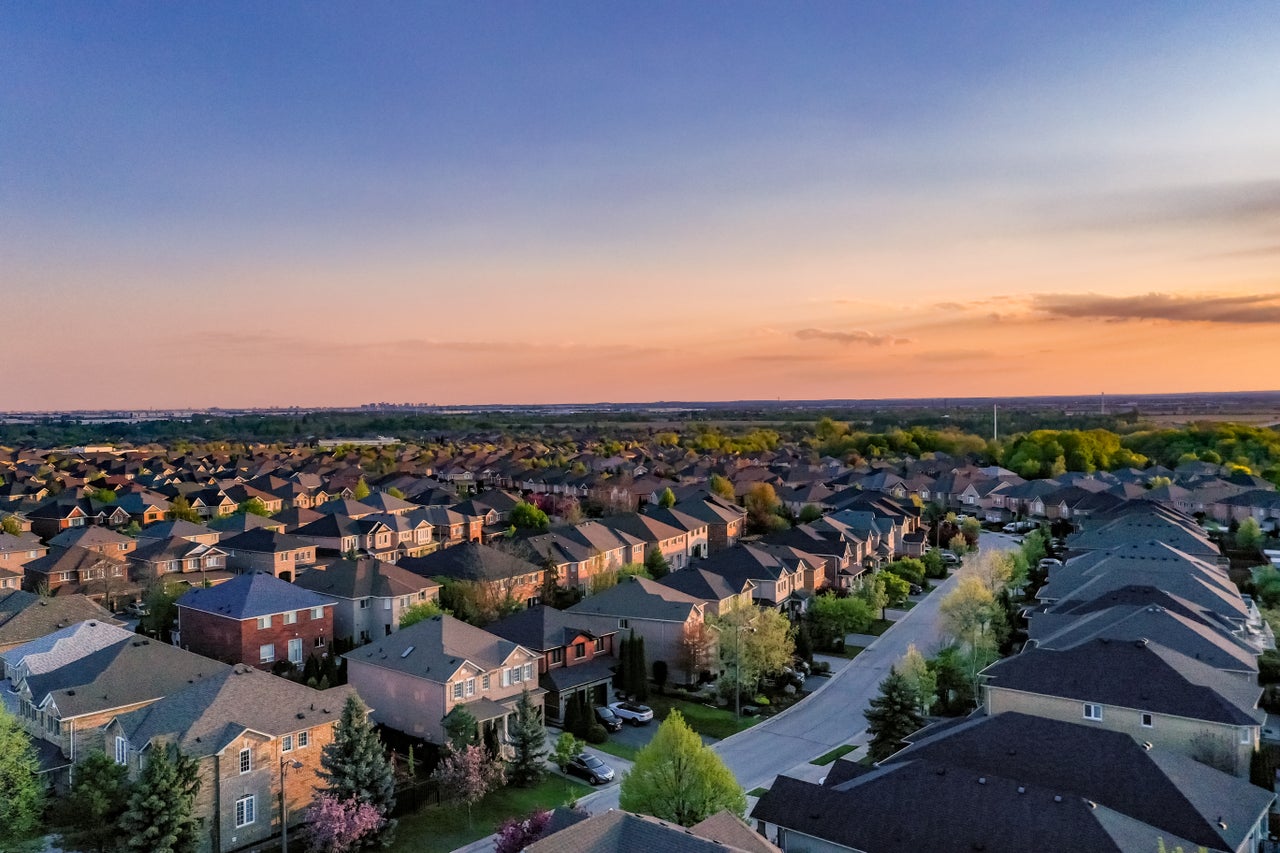
American homebuyers have been pushed to the sidelines for years as home price appreciation, stubbornly high mortgage rates, and elevated homeownership costs have quietly dictated who can — and cannot — afford to buy.
2025 marked a shift for the U.S. housing market. The forced stability that defines the U.S. housing market is beginning to gain mobility.
As 2025 progressed, affordability became a possibility. More homes arrived on the market and the Fed cut interest rates. This led to a moderation in home price appreciation and a gradual easing of the barriers that have kept would-be homebuyers on the sidelines.
Cotality expects these trends to continue to gain momentum and for homebuyers to have more breathing room in 2026.
As the burden on households begins to lighten, Cotality experts took a look back at the key dynamics that defined the 2025 housing market to illuminate the essential factors shaping the property market for 2026.
1. More homes hit the market
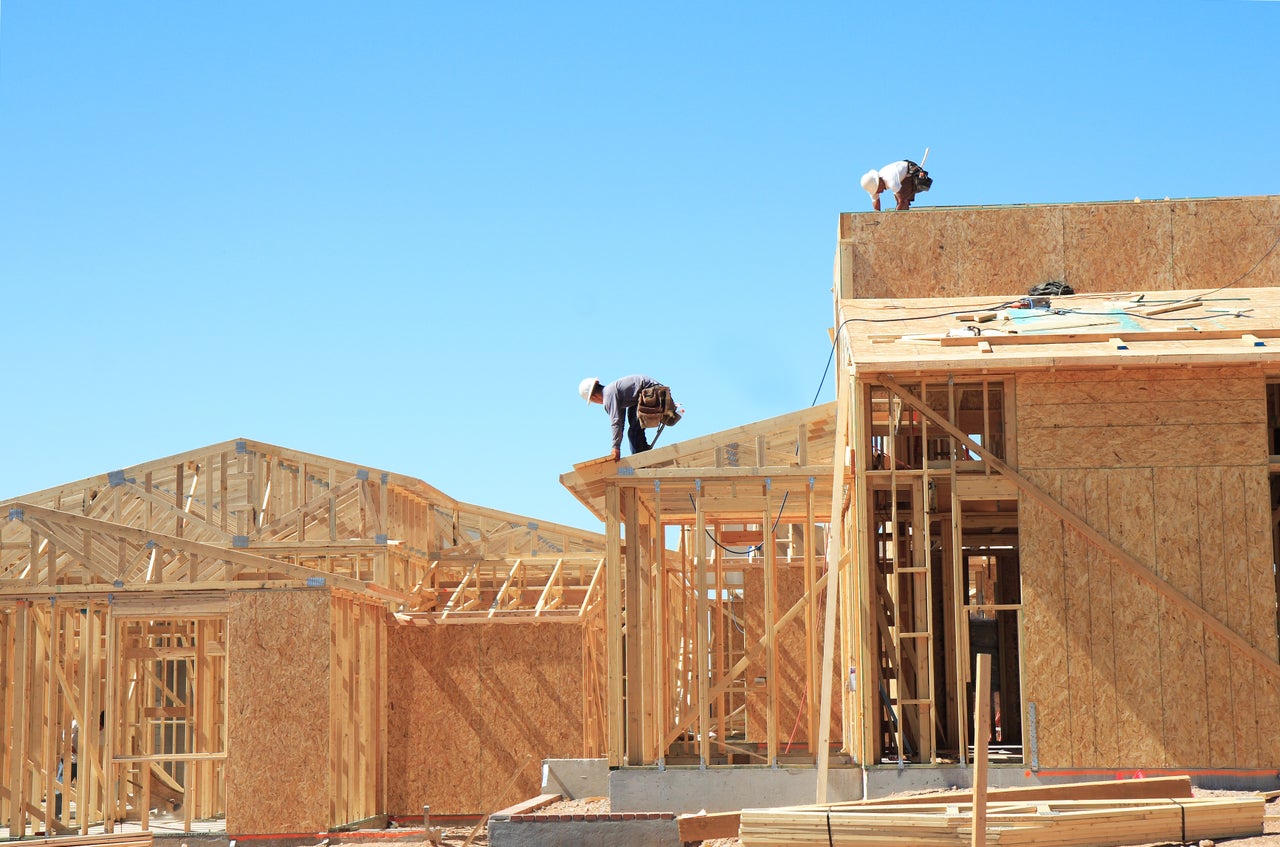
After years of constraint, the housing market began to move away from the frantic sellers’ environment. Thanks to new construction and more existing homes coming onto the market, the number of for-sale homes reached the highest level since 2019.
This surge gave buyers greater choice and more leverage to negotiate. While affordability remained daunting for homebuyers, pending sales were still up year over year. But price remained a sticking point.
Cotality's Chief Economist, Dr. Selma Hepp, noted that deals were more challenging to close in 2025 as buyers and sellers struggled with differing expectations. These differing points of view contributed to rising inventory levels and longer periods spent on the market.
“Rising inventories are providing buyers with more choices while price cuts are now more common in certain local markets,” says Hepp. “This has slowly shifted negotiating power towards buyers – if they can afford to act.”
Ultimately, the U.S. housing market remained largely deadlocked.
2. Mortgage rates remain stubborn
High mortgage rates remained the chief constraint on home sales in 2025. While early-year predictions hinted at sharp rate declines, reality proved to be more stubborn. Despite three rate cuts throughout 2025, mortgage rates only eased modestly from their recent peaks, frustrating buyers and throttling demand.
“Although recent declines in mortgage rates have provided support for housing activity,” Hepp noted. “Broader improvements in demand will depend on the strength of the labor market and corresponding consumer confidence.”
Cotality data showed a bump in mortgage application activity with the slight improvement in borrowing costs. However, current rates continue to be a financial barrier, forcing many potential buyers to stay in the rental market. Looking ahead, Hepp stresses that mortgage rates will continue to play a critical role in shaping the 2026 housing market.
3. Gradual easing of housing affordability
Affordability was near a 30-year low at the start of 2025. While slower home price appreciation and a modest dip in mortgage rates improved affordability over the course of the year, buying a home remained challenging.
Prospective homebuyers need an additional $200,000 compared to a decade ago to close on a median-priced property. Furthermore, Hepp underscored the fact that 75% of the top 100 housing markets are still considered overvalued. While the surge in for-sale homes offers more options, the true cost of ownership — driven by higher mortgage payments, soaring property taxes, and insurance premiums — continues to push homeownership out of reach for many.
Looking ahead, the future of affordability depends on controlling regional costs — like insurance and taxes —that remain a threat to sustainable homeownership.
4. Investors seized the market opportunity
Investor activity remained strong for most of 2025, rebounding significantly to reach levels well above pre-pandemic norms. While investors historically accounted for roughly 20% of the market, that share has climbed to approximately 30% this year.
The high level of investor activity was primarily driven by market friction: traditional buyers that couldn't meet seller price expectations left homes to linger on the market. Some of these homeowners became accidental landlords while other, more motivated sellers, offloaded properties to investors who made up nearly one-third of buyers in the third quarter of the year, according to Cotality data.
Hepp noted that a rise in investor activity isn’t necessarily detrimental. In areas with uncertainty, investors can stabilize home prices and make offers before values drop further, thereby addressing pent-up demand in both the purchase and rental sectors.
Crucially for the future of housing supply, investors continue to prioritize holding properties as long-term rentals over quick flipping. However, in markets where insurance and taxes have spiked, math is changing. As investors trim their portfolios to manage these costs, it could be a silver lining for the broader market: a rare opening for traditional buyers that is finally helping to pull home prices back down to earth.
5. Migration mixed affordability and environmental risk
Migration between states slowed 15% compared to five years ago, Cotality found. This stagnation is driven by mortgage rates that have locked people into homes they bought years ago, as well as the general unaffordability that has slowed the overall market.
People are still moving though. While a primary motivator for moves remains cost, the search for a lower monthly payment is leading many into areas where natural disaster risk outpaces resilience. In states like Florida — which continue to attract older populations — the market is revealing a hard truth: the cost of keeping a home in a high-risk zone may eventually exceed the cost of buying it.
This rebalancing of the American map suggests that affordability is becoming a moving target. While the "lock-in effect" and high interest rates have temporarily slowed the market’s pulse, the underlying search for value is pushing households toward a new kind of financial frontier—one where the sales price is only the beginning of the calculation.
As we look toward 2026, the property industry must reconcile the immediate need for housing liquidity with the long-term reality of environmental risk.
Does 2026 bring continued moderation?
Cotality experts predict that the housing market recovery will be slow and steady as things normalize. However, in the new environment, trends will be regional dependent for both buyers and sellers.






















.jpg)