


The hidden flood zone: Why inland urban centers are insurers' next big challenge.


Flooding occurs beyond hurricane zones, exposing carriers to unpriced risk.
- Non-coastal flooding causes unseen damage outside standard FEMA zones.
- Standard home policies exclude ground-level water and backup flooding.
- Cotality Flood unifies hazard data into a 1–100 AAL risk score.

Beyond the map: evolving flood risk for the modern carrier
Flooding is a widespread, high-cost peril, occurring far beyond coastal areas and outside of hurricane season. It is imperative for insurers to look beyond hurricane season and federally designated “flood zones” to understand the full scope of flood risk.
Because flooding is so varied in cause and nature, understanding its many forms and sources—and how water impacts specific building materials—is essential for carriers maintaining portfolio resilience.
It’s no longer enough to make flood-related underwriting decisions based strictly on designated flood zones. Insurers benefit far more from understanding how flooding increasingly threatens areas historically considered low risk.
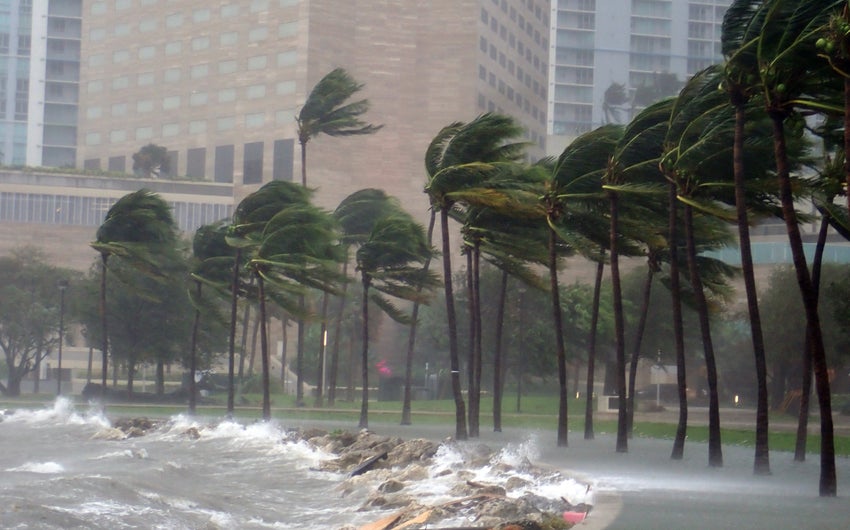
Why should insurers care about flood risk outside of flood zones?
When property owners live outside federally designated flood zones (which were originally created in the 1970s), they are more likely to forgo flood insurance altogether. Yet, without proper coverage or mitigation, even minor water damage that goes unaddressed can rapidly weaken a property's foundation. This directly compromises its future resilience. Ultimately, this cascading risk impacts unsuspecting homeowners and the insurance companies that protect them alike.
A better understanding of flooding, alongside property-specific vulnerabilities, can help insurers educate policyholders and close this coverage gap.
The nuances of insurance coverage and water damage
Cloudbursts, sudden flash floods, and wind-driven rain regularly cause devastating flooding far outside traditional flood zones. But when these storm hits, coverage exclusions often catch policyholders by surprise.
Naturally, when someone first secures insurance, they aren’t thinking about the different water events that could strike their home, and which type of policy would cover them in different scenarios. Insurance, after all, is complicated.
Here is a focused breakdown of just what standard homeowners' policies cover and exclude regarding water damage:
What is covered (top-down damage): Water entering from above when severe winds damage the building exterior—such as tearing off roof membranes or shattering windows, allowing torrential rain inside.
What is not covered (bottom-up an backups), requiring a specialized flood policy:
- Ground-level rising water, including surface water, storm surges, and river flooding (requires a separate flood insurance policy).
- Basement backups caused by heavy rainfall overburdening storm sewers or drainage systems.
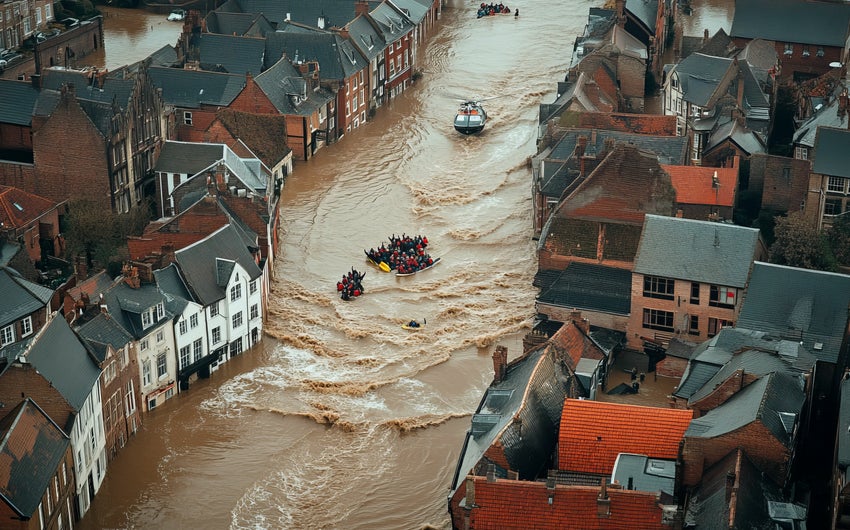
Comprehensive flood intelligence to simplify decisions
Rising sea levels, intensifying storm events, and continued development in high-impact areas mean that flooding exposure is more prevalent in insurer portfolios today. Yet, traditional flood assessments remain stagnant and fragmented. Underwriters are often forced to manually stitch together disconnected models for coastal surge, riverine (fluvial), and surface water (pluvial) threats—leaving costly blind spots on the table.
To solve this, Cotality Flood™ unifies all hazard modeling, proprietary property data, and structural science into a single, comprehensive solution. By feeding these complex layers directly into an intuitive, Average Annual Loss (AAL)-based engine, Cotality Flood transforms high-dimensional hydro-spatial dynamics into one clear, actionable view.
Here is how Cotality Flood feeds complex inputs into a simplified score to streamline decisions across your entire workflow:
- Provides a unified 1–100 score (Powered by AAL): Feeds riverine, flash flooding, and coastal surge models into a single score backed by Average Annual Loss (AAL) science—translating complex perils directly into clear, actuarially sound pricing metrics.
- One-meter hazard precision: Unlike providing 10-30 meter granular views, this model ingests sub-meter micro-topography to capture exact terrain contours where surface water accumulates, eliminating broad neighborhood averages.
- Analyzes structural vulnerability: Uses aerial imagery processed by AI to automatically factors in building footprint data—including First Floor Height (FFH), Highest Adjacent Grade (HAG), and Lowest Adjacent Grade (LAG).
- Analysis beyond FEMA flood zones: Blends structural elevation with localized hazard data to let underwriters instantly approve "good" risks in high-risk zones and avoid hidden "bad" risks in non-special flood areas (X-Zones).
- Facilitates straight-through pocessing (STP): Delivers all hazard, structural, and loss metrics via a single API inquiry, eliminating platform toggling and supporting 90%+ automated quote-to-bind workflows.
- Supports strategic portfolio growth and policyholder engagement: Translates complex data into transparent risk drivers, empowering carriers to recommend flood insurance even when not mandatory, and targeted mitigations (like flood vents).
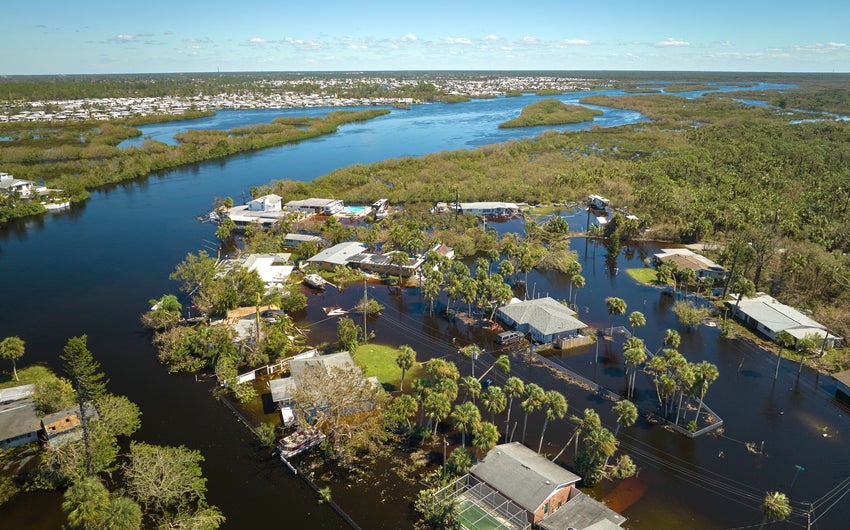
Turning insights into action: empowering policyholders and protecting portfolios
Flooding isn’t just a byproduct of hurricanes; this is a widespread, multi-faceted peril that demands granular understanding.
It’s not just the climate driving more destructive flooding. Growing and changing urban infrastructure also contribute to how water accumulates. Buildings have varying degrees of ability to withstand water damage. And, insurers need to understand it all.
With Cotality’s Flood Risk Score, carriers can price risk with actuarial precision, capture profitable market share in non-special flood hazard areas, and protect their underlying property portfolios from the compounding structural decay of unaddressed water events.
Insurers can also use these insights educate policyholders on their real-world risk, allowing them to make informed decisions about flood insurance.
Learn more about how Cotality’s flood risk solutions can help you assess risk beyond traditional flood zones.

