


Fire Resiliency™
Fire protection and risk assessment
Mitigate high-severity fire loss
Non-weather fire incidents cause high-severity claims. Cotality's Fire Resiliency™ delivers precise address-level risk scores. Built on millions of fire reports, our tool helps underwriters identify structural risk with confidence.

Make a difference with the right data
Fire Resiliency processes institutional quantities of fire protection and building characteristic data to give insurers a robust understanding of the probability of properties succumbing to total loss during a non-weather-related house fire.

AI-Driven assessments
Our AI-driven Fire Resiliency scoring model analyzes large datasets to assess property resilience at the address level so you don't have to.
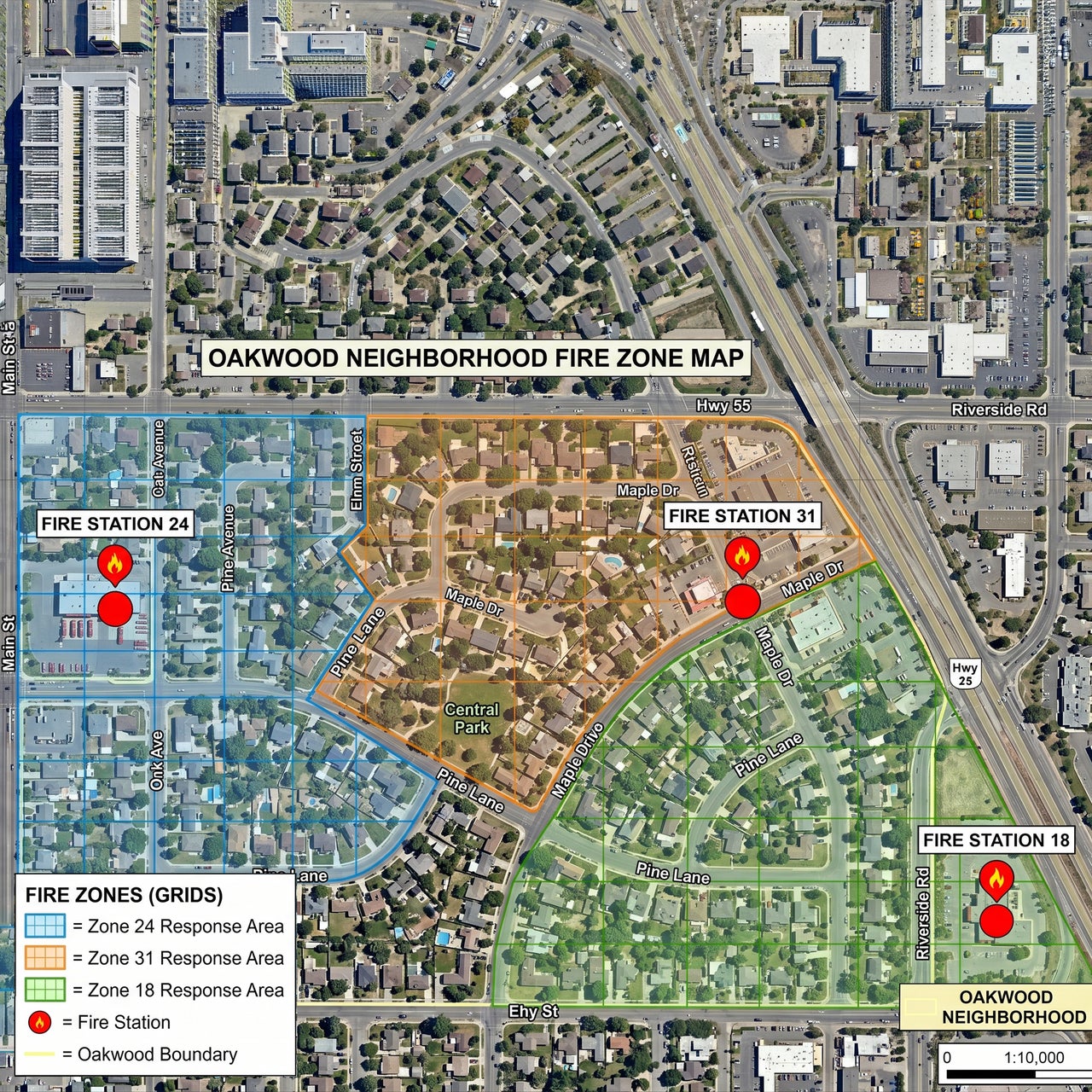
Updated fire protection data
Our comprehensive U.S. fire station database, which contains over 53,000 fire stations and 29,000 fire response areas, is updated quarterly to provide the most accurate view of fire station location, staffing, and response jurisdictions.
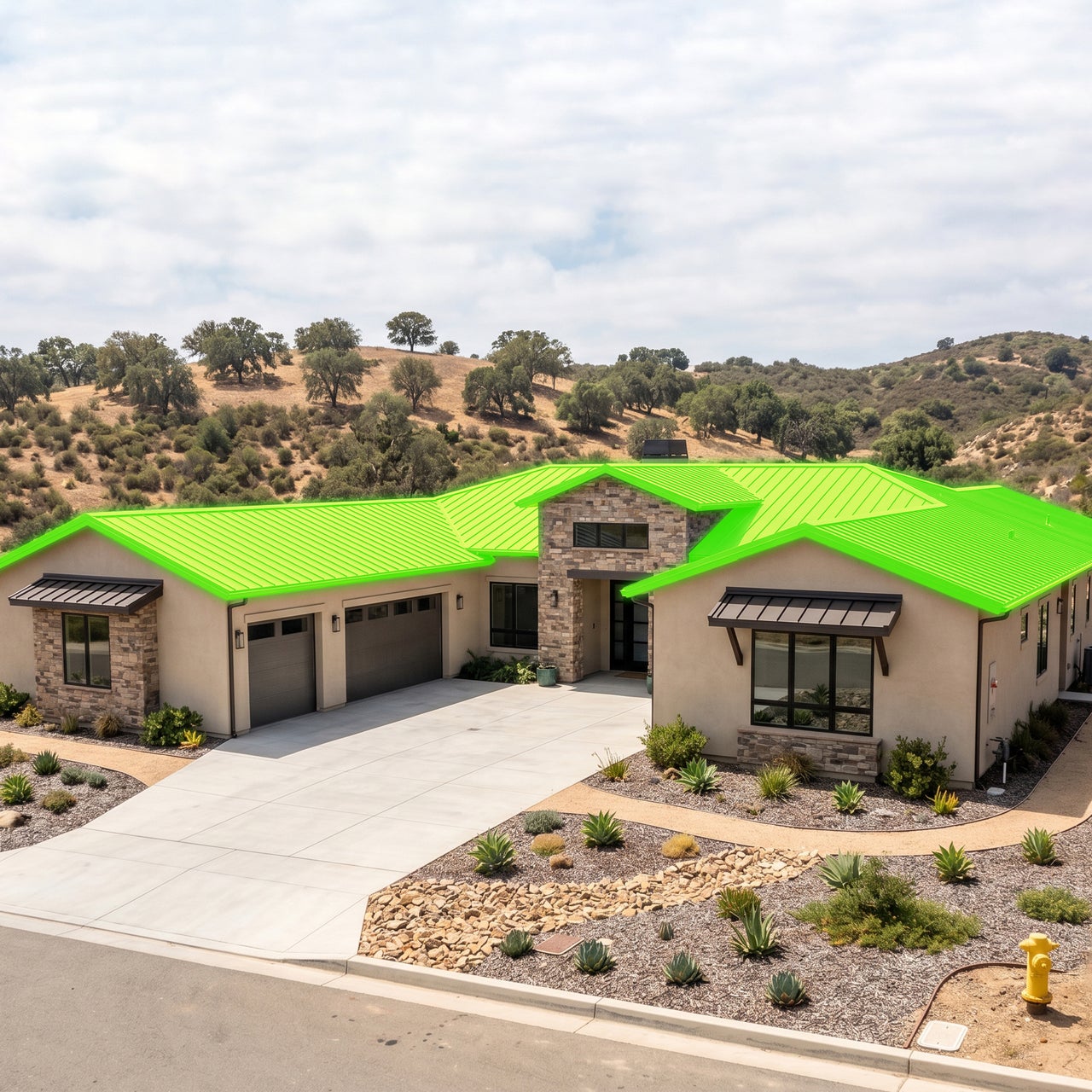
Accurate fire resiliency evaluations
Our model uses Property Enriched™, aligning multiple data sources to identify properties not in public records. This provides a “single source of truth” and identifies key building characteristics for accurate fire resiliency.
AI-Driven assessments
Our AI-driven Fire Resiliency scoring model analyzes large datasets to assess property resilience at the address level so you don't have to.
Updated fire protection data
Our comprehensive U.S. fire station database, which contains over 53,000 fire stations and 29,000 fire response areas, is updated quarterly to provide the most accurate view of fire station location, staffing, and response jurisdictions.
Accurate fire resiliency evaluations
Our model uses Property Enriched™, aligning multiple data sources to identify properties not in public records. This provides a “single source of truth” and identifies key building characteristics for accurate fire resiliency.
FAQ
In which states has Fire Resiliency been filed and approved?
Does the Fire Resiliency scoring model evaluate both residential and commercial properties?
Does Fire Resiliency account for wildfire risk?
How does the Fire Resiliency score calculate structural fire risk for underwriting?
How often are Cotality's Fire Resiliency scores updated?
How do we integrate Fire Resiliency data and what are the technical requirements?
Related Insights (0)


How can we help you?
Let's get this conversation started! Our team is here to provide you with more information and answer any questions you may have.
Trying to reach us by phone?
Get in touch with our sales team at (866) 774-3282. We're here Monday to Friday from 7 a.m. to 5 p.m. CT.
Looking for support?
Visit our dedicated support page to find support for all our products.