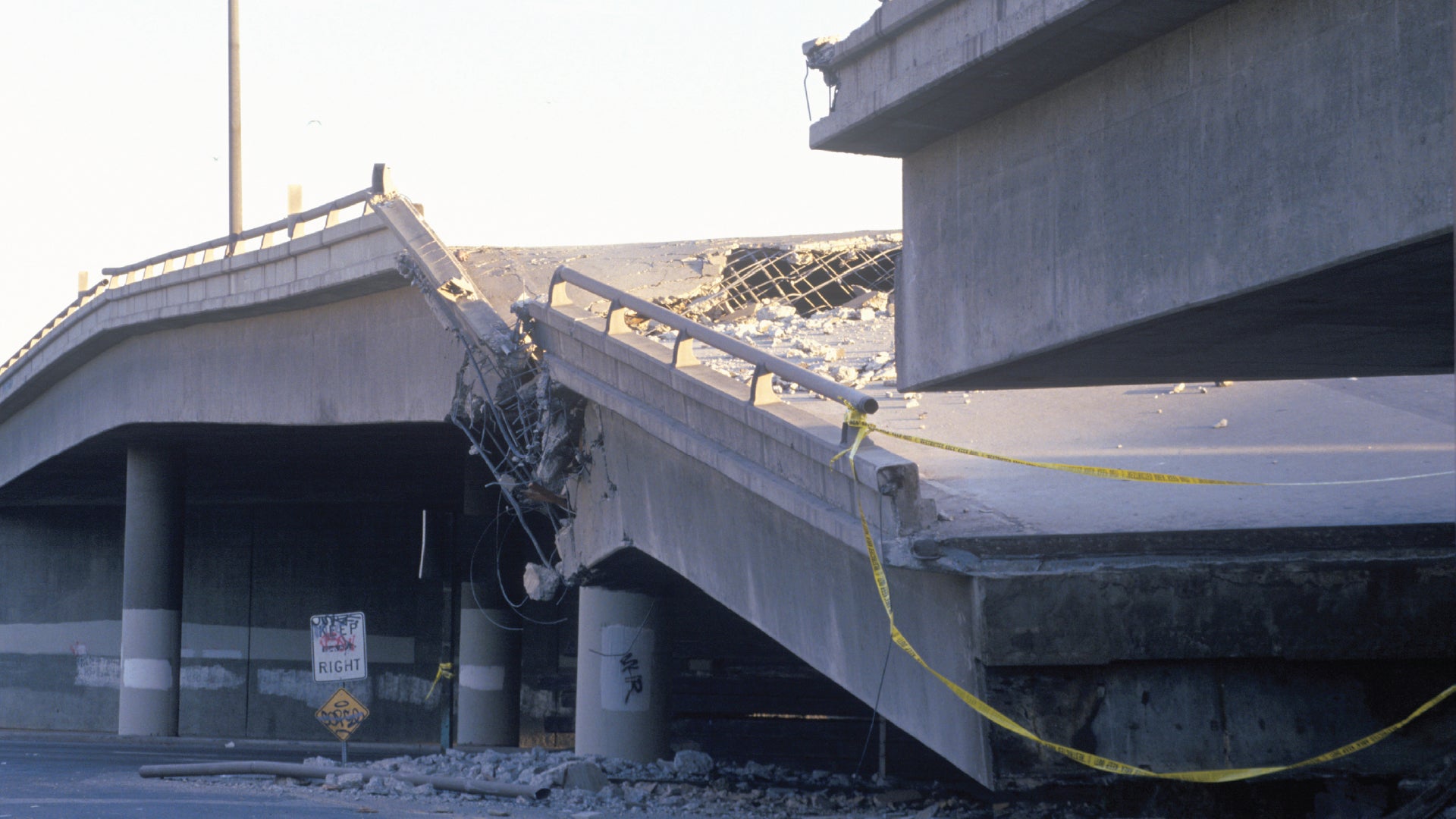
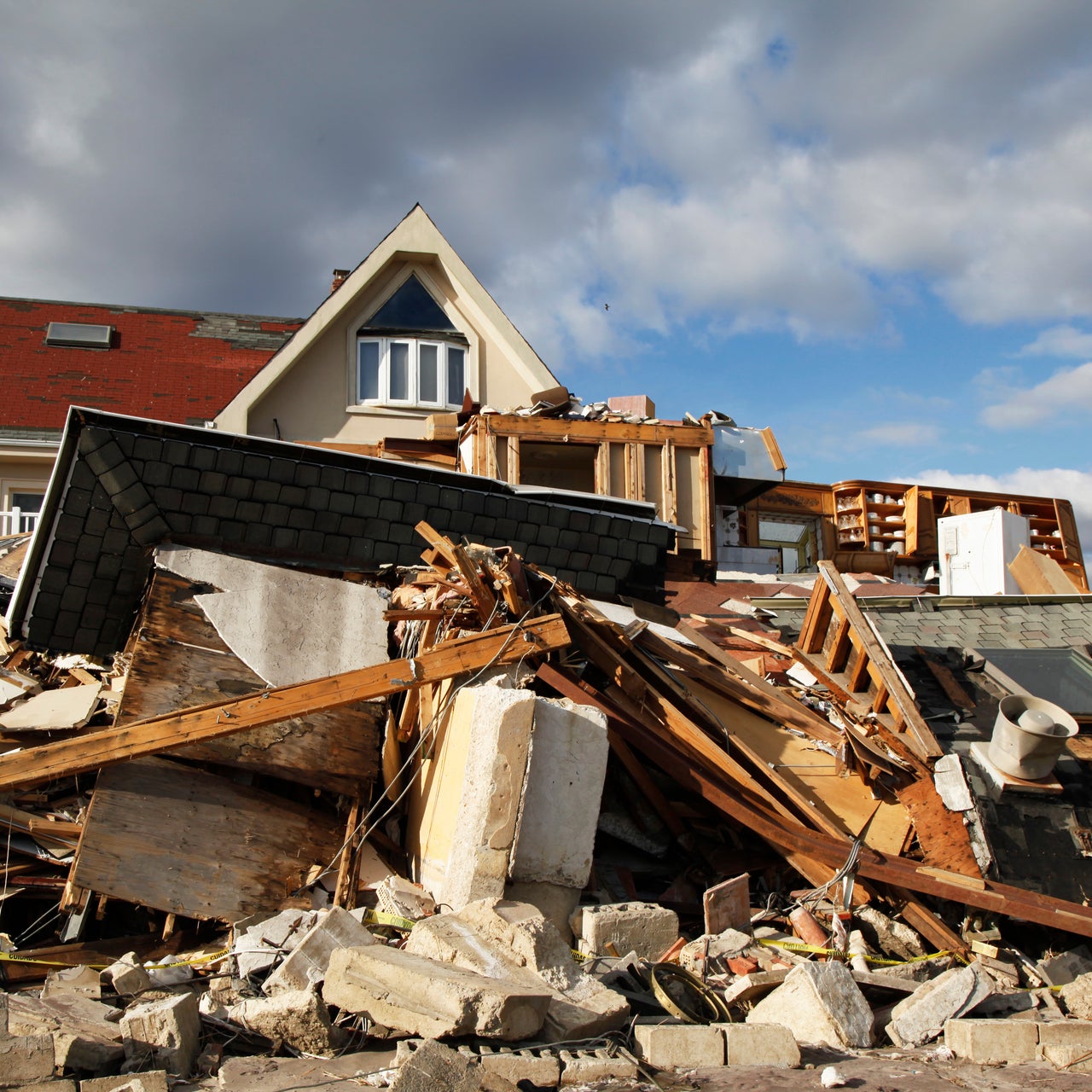
Navigate seismic volatility with high-fidelity analytics
In seismic underwriting, a catastrophic loss is determined by the ground beneath the foundation. Relying on regional averages leaves your portfolio exposed. Transform your strategy with granular earthquake data that quantifies risk at the individual property level.

Master subsurface risk with probabilistic modeling
Deploy high-fidelity earthquake hazard scores that analyze specific soil classes and fault proximity. By moving beyond broad territorial assumptions, underwriters can accurately price seismic risk and identify resilient assets that standard models overlook.

Powering precision with enterprise risk products
Explore the modular APIs and geospatial data layers that feed our comprehensive earthquake risk solution.
Earthquake Risk Score
US Earthquake Hazard Report
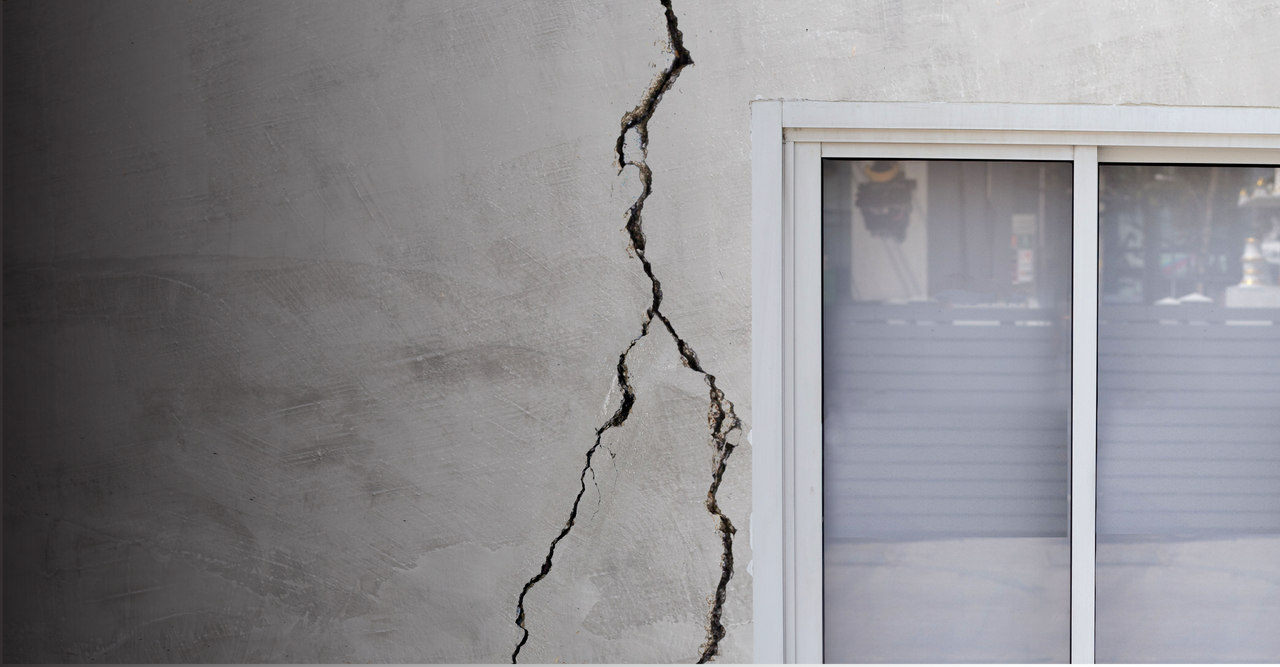
Engineering portfolio resilience in seismic zones
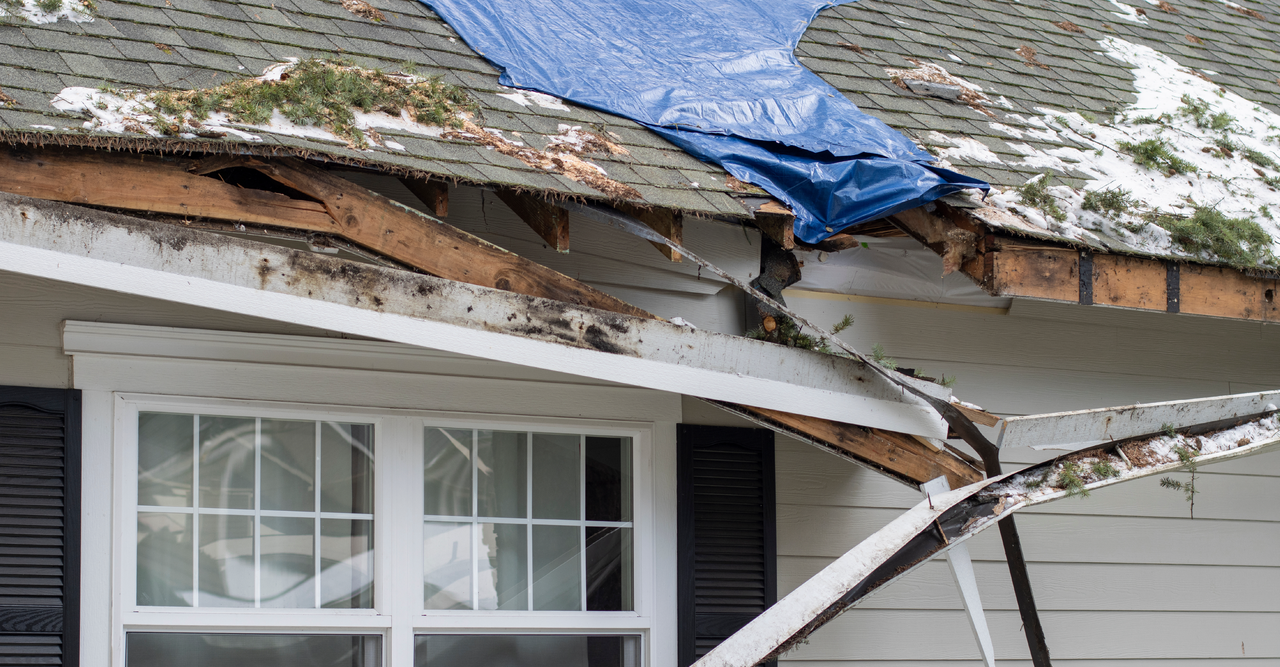
Seismic risk is inherently non-linear, where minor geological variations can lead to disparate loss outcomes. Cotality’s Earthquake Risk Solutions bridge this gap by providing high-fidelity data that accounts for soil amplification and fault proximity. This technical transparency is vital for risk re-analysis, especially for ILS managers seeking to minimize basis risk. Our models integrate Peak Ground Acceleration (PGA) and Modified Mercalli Intensity (MMI) to offer a granular view of how a property will perform during a seismic event.
FAQ
How can insurers assess earthquake risk for capital adequacy?
Cotality relies on asset-specific seismic precision rather than broad neighborhood averages. Our models calculate exact property risk by rigorously evaluating granular soil data, sedimentary basin amplification, and building-specific engineering vulnerabilities to output highly targeted exposure profiles.
Does Cotality calculate risk using regional averages or building details?
Cotality relies on asset-specific seismic precision rather than broad neighborhood averages. Our models calculate exact property risk by rigorously evaluating granular soil data, sedimentary basin amplification, and building-specific engineering vulnerabilities to output highly targeted exposure profiles.
What scientific data drives Cotality's earthquake catastrophe models?
Cotality models are driven by an advanced blend of paleo-seismic and seismo-tectonic characterization. The U.S. model specifically integrates the latest scientific research from USGS National Seismic Hazard Model (NSHM) updates to ensure the highest degree of modern hazard accuracy.
How does the earthquake data integrate with existing insurer workflows?
Cotality guarantees seamless platform interoperability. Our cloud-native architecture utilizes standardized data inputs and secure RESTful APIs, enabling real-time integration directly into an insurer’s existing underwriting technology and core workflows without requiring massive system overhauls.
What is the potential financial impact of a major earthquake?
A major seismic event in urban California carries an estimated $800 billion economic toll. For portfolio benchmarking, a modern recurrence of the 1994 Northridge earthquake would cost $100 billion today, underscoring the critical need for precise catastrophe modeling.
How do insurers contact Cotality for sales or product support?
Enterprise buyers can reach our dedicated sales team via phone during standard operating hours. Existing customers have immediate access to technical assistance and integration documentation through a direct, deeply-linked portal on our dedicated product support page.
How can we help you?
Let's get this conversation started! Our team is here to provide you with more information and answer any questions you may have.
Trying to reach us by phone?
Get in touch with our sales team at (866) 774-3282. We're here Monday to Friday from 7 a.m. to 5 p.m. CT.
Looking for support?
Visit our dedicated support page to find support for all our products.