


Can wildfire mitigation keep insurers in California?


Overview
Data-driven property-level wildfire mitigation modeling is key to stabilizing California’s insurance market.
- Paradise data proves home hardening and buffers reduce expected losses by over 50%.
- Forward-looking models help carriers meet CDI compliance and avoid volatile premium jumps.
- Cotality’s Wildfire Mitigation Score™ delivers 1-100 property risk scoring for actuarial precision.
Even before the devastating Palisades and Eaton Wildfires shocked the Los Angeles area, insurers were exiting California in record numbers. Today, even though some carriers are returning cautiously, many still lack the tools and insights to expand coverage confidently.
The fundamental problem is that insurers have long relied on historical hazard data to assess risk rather than proactive catastrophe risk management.
By leveraging advanced simulations of modern wildfire behavior alongside catastrophe modeling that quantifies property-level mitigation, the property insurance industry can simultaneously unlock increased affordability and actuarial precision.
The “Paradise” Proof of Concept
To understand why property-level mitigation is the cornerstone of modern wildfire catastrophe risk management, we must look at the data.
Cotality™ collaborated with the town of Paradise—site of the 2018 Camp Fire—and the actuarial experts at Milliman to conduct a study on how tangible mitigation measures increase resilience.
The results were a wake-up call for the catastrophe risk insurance industry:
- Home hardening: Rebuilds that aligned with Insurance Institute for Business and Home Safety (IBHS) home hardening standards saw an aggregate wildfire expected loss decrease of 53% compared to pre-Camp Fire conditions. (Home hardening is the practice of using ignition-resistant building materials and installation techniques to protect a structure from heat, flames, and embers.)
- Development patterns: Strategic building away from high-risk wildland-urban interface (WUI) zones—the area where human-made structures meet or intermingle with undeveloped wildland—resulted in an average loss decrease of 15% per property.
- Community buffers: Maintaining five well-managed buffers surrounding a town reduced aggregate expected losses by 55%.
This study proved that combining individual home hardening, smarter development, and town buffers could correspond to a 55% reduction in average total premiums (excluding reinsurance costs).
Why should property insurers measure mitigation?
Measuring mitigation allows insurers to move beyond historical "loss experience rating" to provide more stable coverage in high-risk areas. For a long time, the industry set today’s
prices based on yesterday’s fires, and without looking at the specific defenses of individual properties.
By shifting to modern catastrophe risk management—using computer-assisted modeling to simulate current environmental and structural variables—insurers get a more accurateview of risk.
These models account for new wildfire behaviors and structural resilience, providing insurers with the ability to offer mitigation credits. These considerations enable carriers to reduce volatile premium jumps while still offering coverage in high-risk regions.
What is the best catastrophe risk management strategy for wildfire insurance?
Smart wildfire risk management today involves integrating property-specific resilience data into forward-looking risk evaluations. This will help insurers meet both business and regulatory needs, especially since the California Department of Insurance (CDI) now requires property insurers to provide discounts to property owners who take specific steps to protect their homes.
By measuring mitigation in California, insurers can stabilize portfolios and ensure more consistent alignment with legal requirements.
At the heart of this strategy is the Cotality Wildfire Mitigation Score™, a key component of the Cotality Wildfire Suite. This tool provides:
- Granular 1–100 scoring: A property-level view of defenses for enhanced risk assessment precision.
- Quantifiable hardening data: Tracks critical structural features like hardened roofs, defensible space, and vegetation clearance.
- Risk assessment confidence: Turns resilience into a measurable data point, assisting insurers with CDI compliance requirements while maintaining actuarial accuracy.
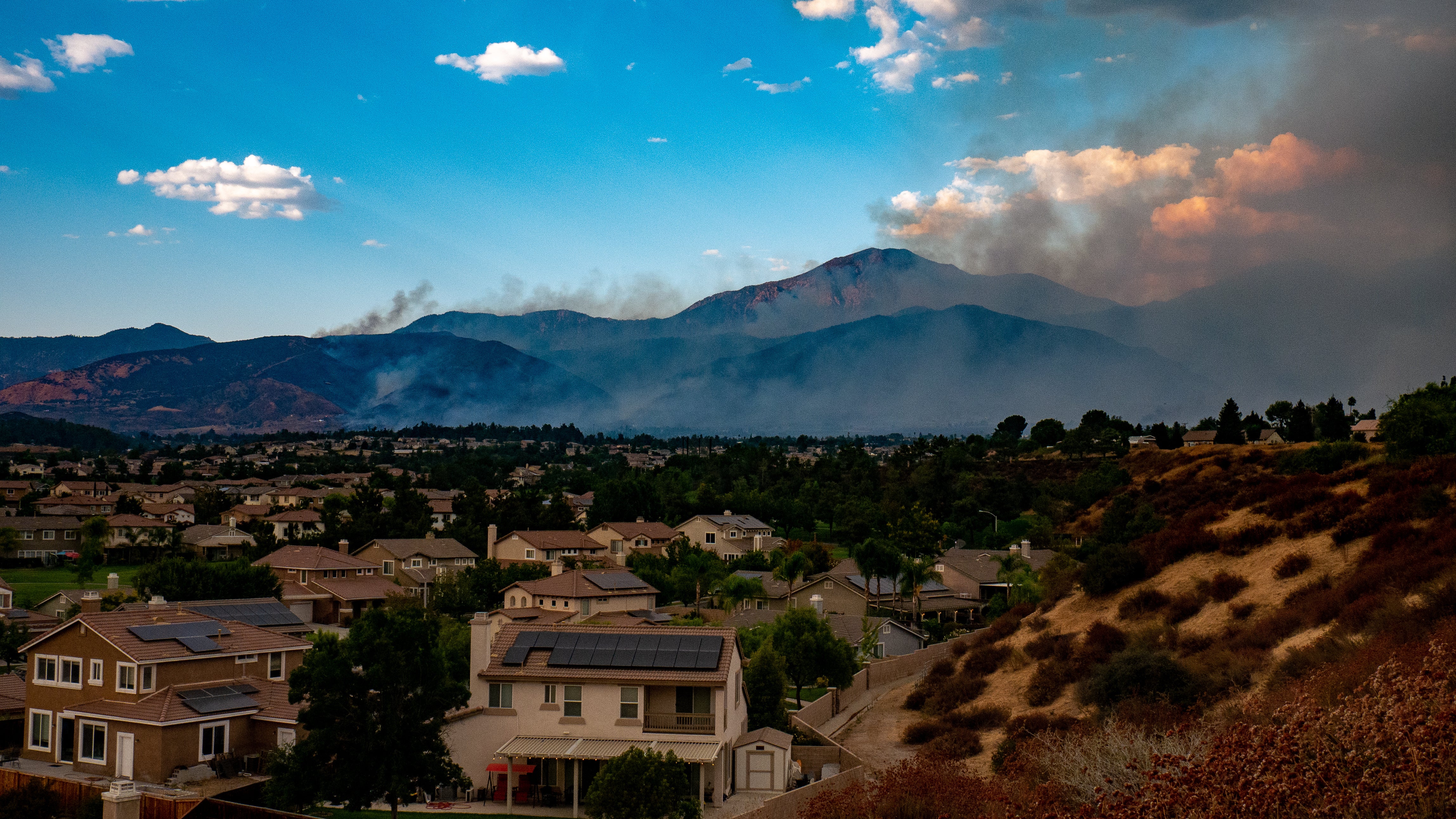
A proactive path forward for property insurers in California
The exodus of insurers from California was a reaction to uncertainty. The path back is paved by intelligence.
By using catastrophe modeling that simulates thousands of potential wildfire scenarios while also quantifying the value of a homeowner’s hard work, insurers can reward resilience and ensure that coverage remains affordable.
At Cotality, we believe in Know Your Risk. Accelerate Your Recovery®. Focusing on property-level mitigation today ensures a more sustainable, affordable, and safer California for tomorrow.
Read more about Cotality’s Wildfire Suite and how it fuels a holistic, modern-day view of wildfire risk.