


Demystifying cabinetry quality | White paper


Cabinet quality varies widely across materials, construction methods, finishing systems, hardware, and warranty practices.
This white paper translates Cotality’s internal grading rubric into a public-facing standard with plain-language definitions, technical criteria, test methods, and specification templates. It aligns our grades to recognized industry norms—including ANSI/KCMA performance testing, AWI architectural casework standards, TSCA Title VI formaldehyde rules for composite wood, and ANSI/BHMA cabinet hardware standards—so customers and partners can compare options confidently.

Material Composition
Substrates (Boxes, shelves, drawer bottoms)
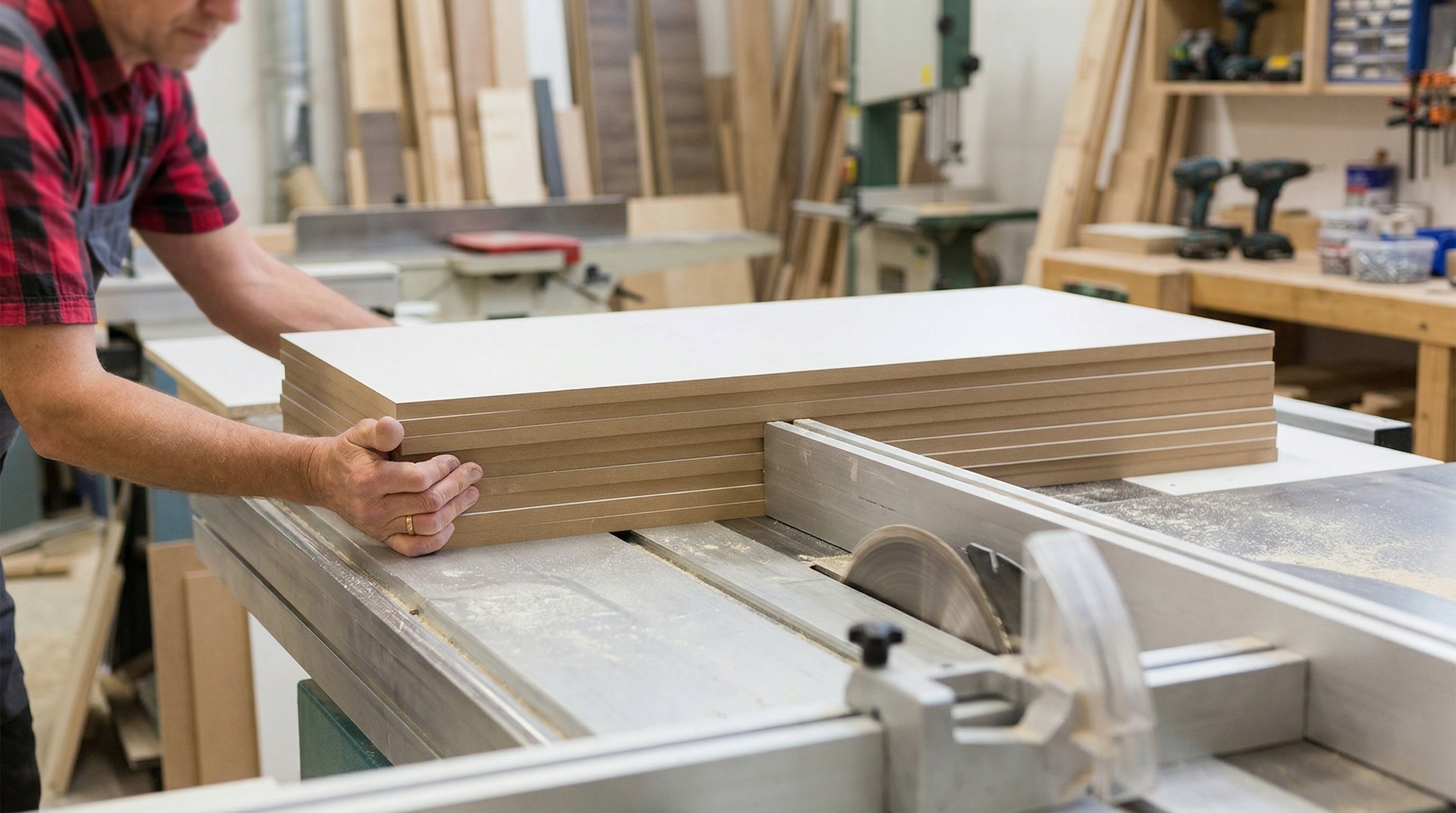
- Particleboard / MDF (engineered wood): Economical and dimensionally uniform; requires moisture-resistant finishes/sealing. Must be TSCA Title VI compliant for formaldehyde emissions (replaced CARB Phase II labeling nationally in 2019).
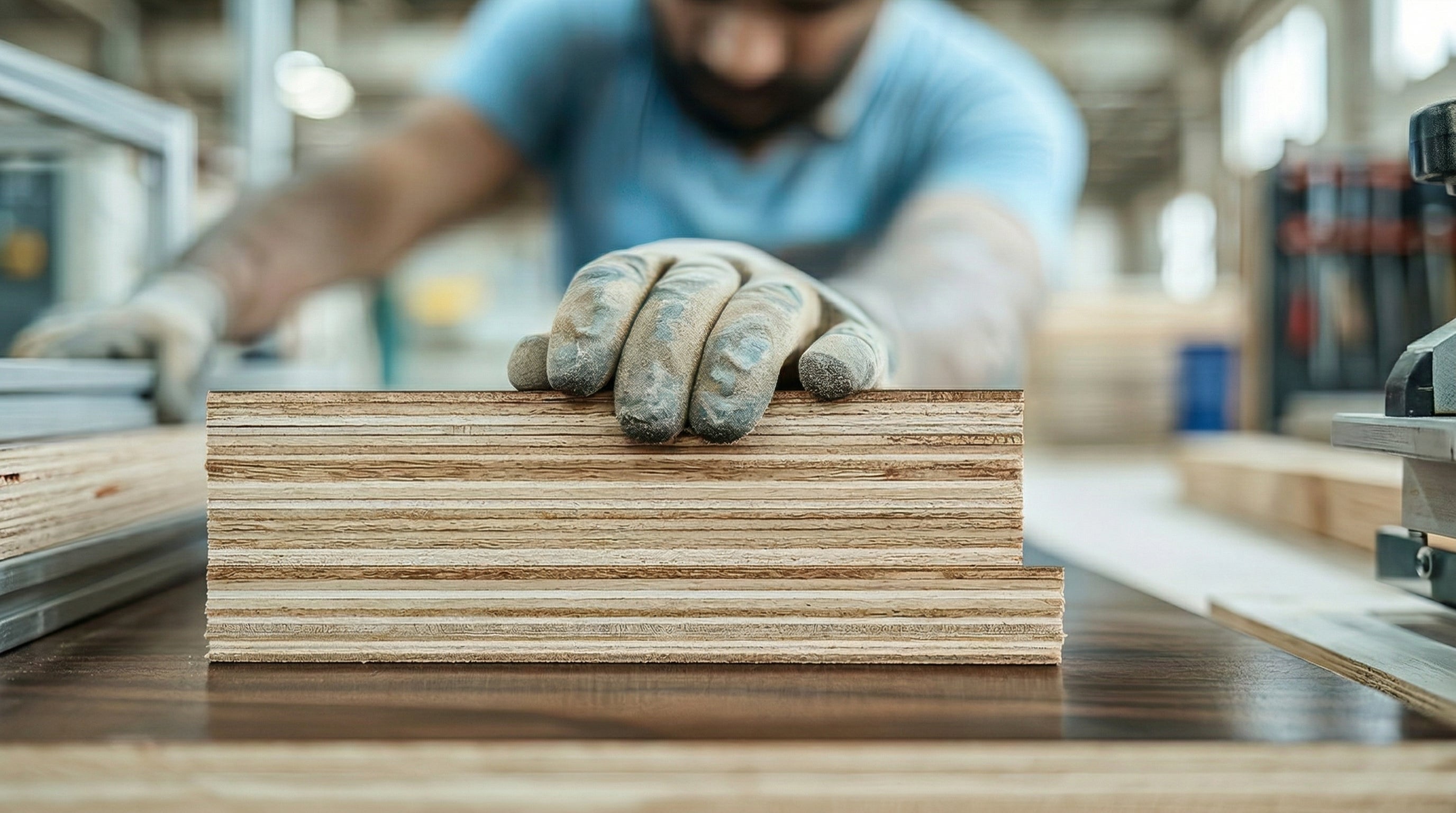
- Veneer-core plywood: Alternating hardwood veneers; strong fastener/screw holding; stability improves with more plies. Common for higher grades.
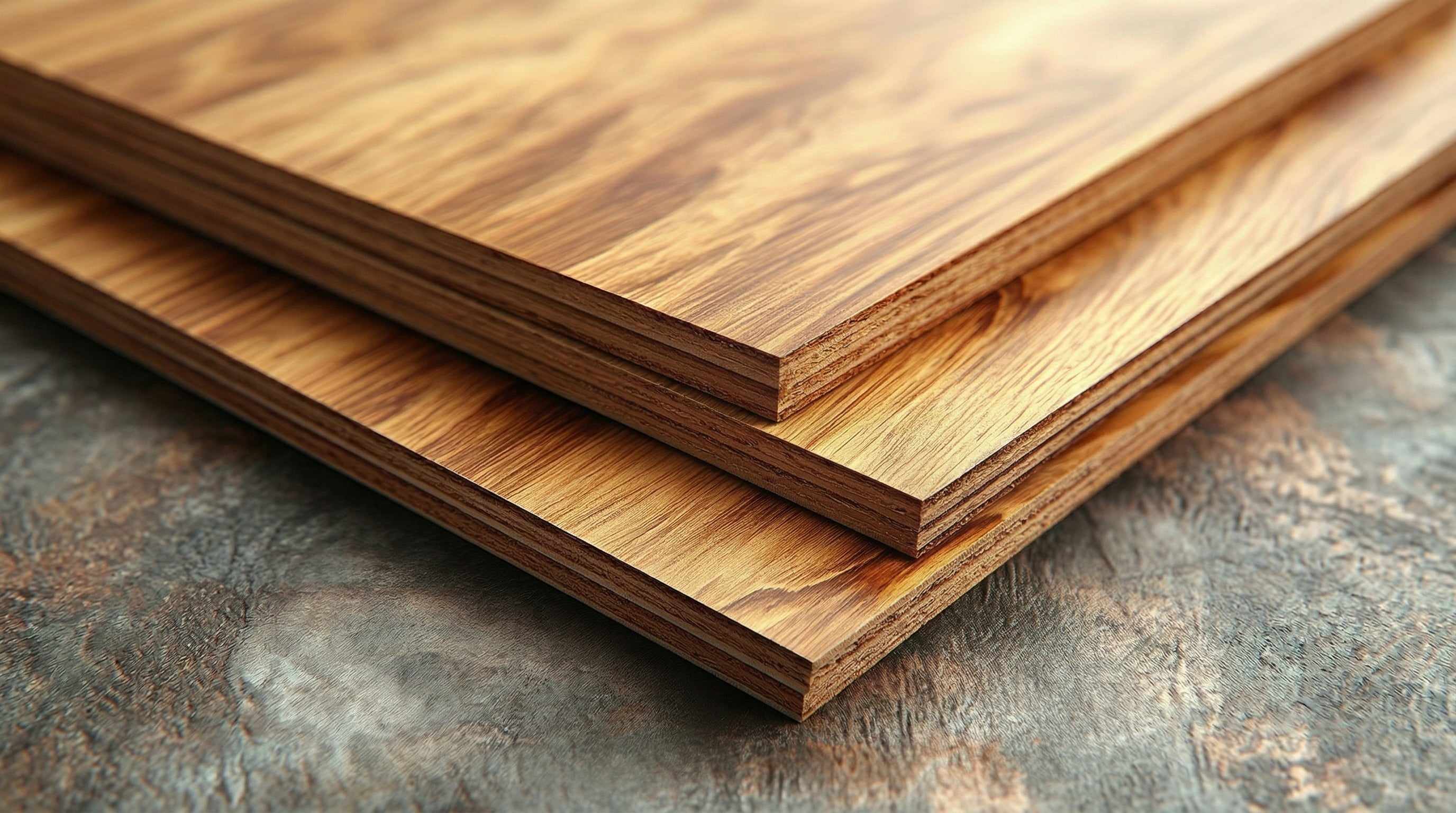
- Multi-ply "A-1" hardwood plywood: Hardwood plywood: premium face/back veneer grading (A face, 1 back); consistent surface for fine finishing.
Surfaced and interiors
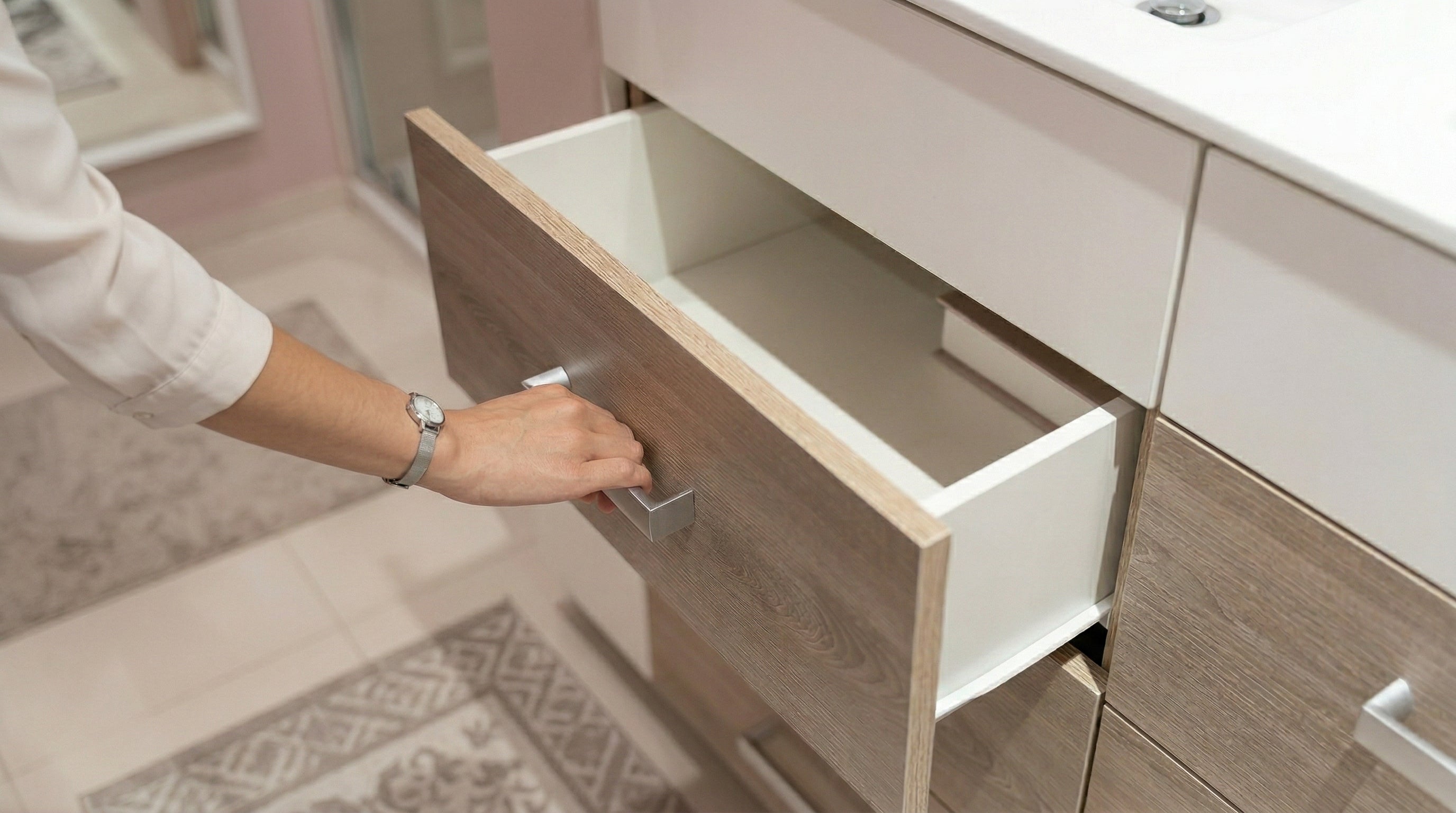
- Laminates & melamine (thermally-fused): Durable, wipeable interiors; cost-effective. Veneered interiors preferred where glass doors reveal cabinet interiors.
- Solid hardwood for frames/doors/drawer fronts in elevated grades; Exotic/rare hardwoods appear in Luxury/Exceptional tiers. Some examples of rare/exotic include mahogany, walnut, teak, Brazilian cherry, and Spanish Cedar
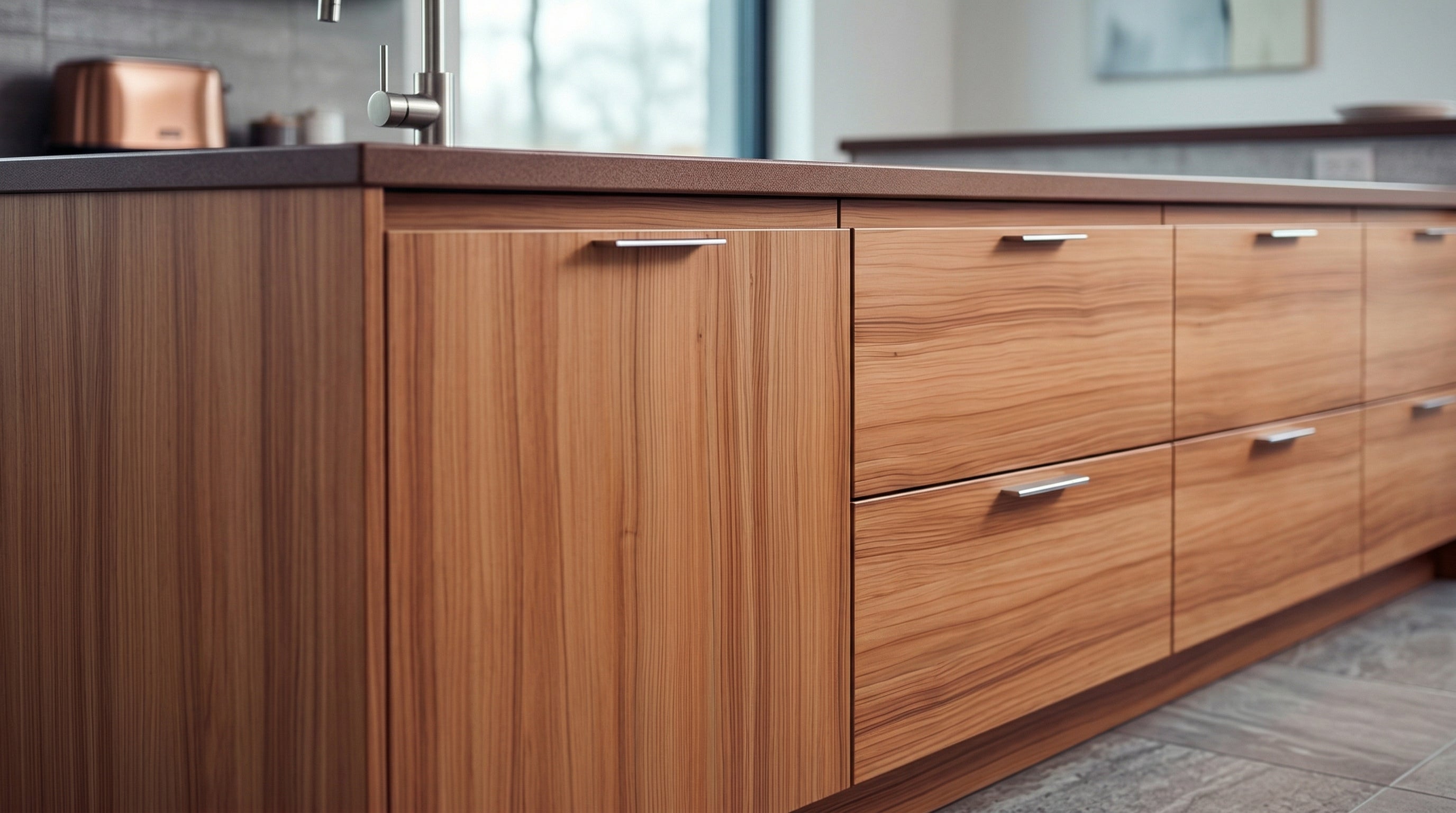
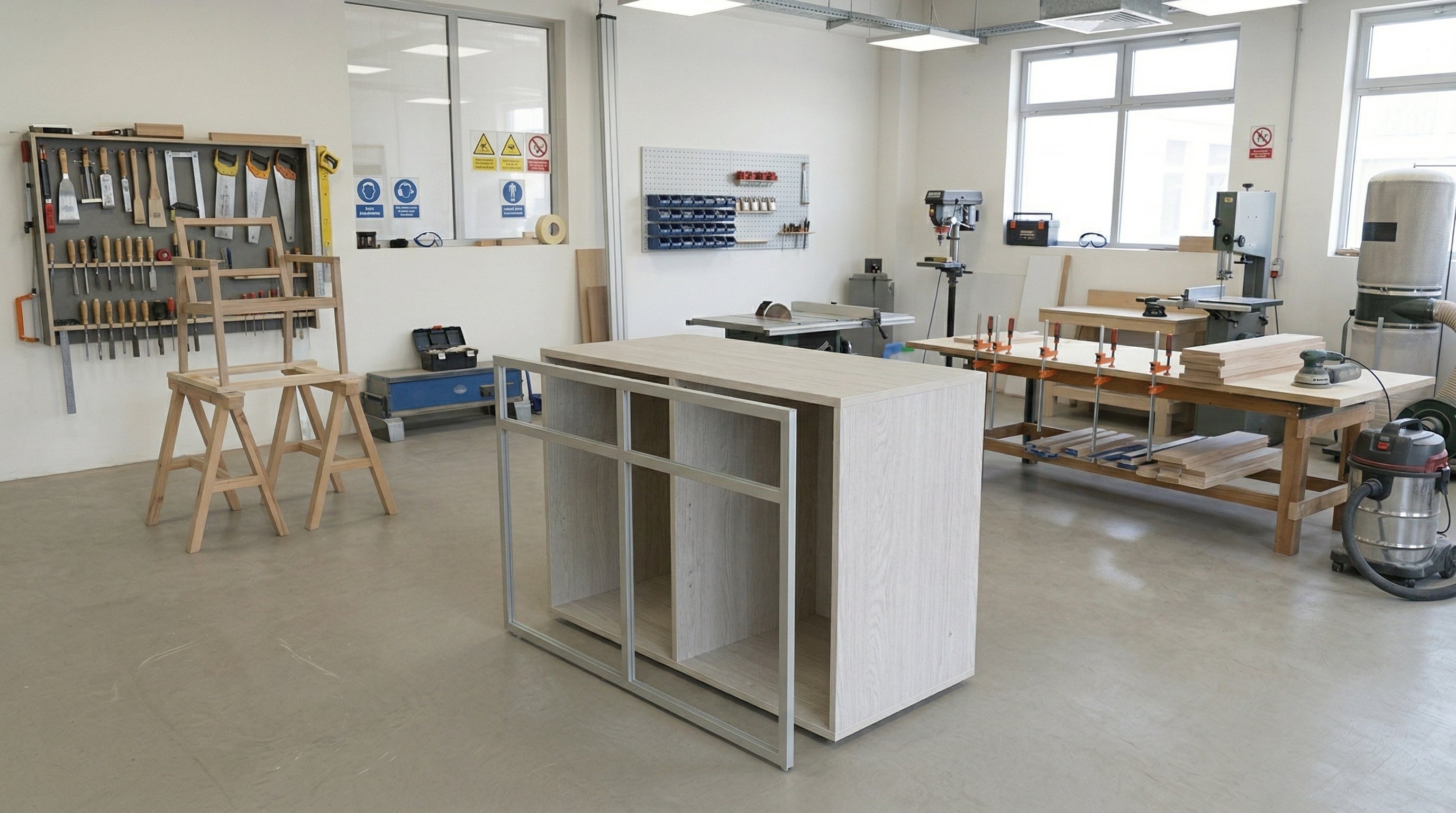
- Frameless (full access/European): No face frame, maximizing drawer box width and interior access; common in modern designs and higher customization lines.
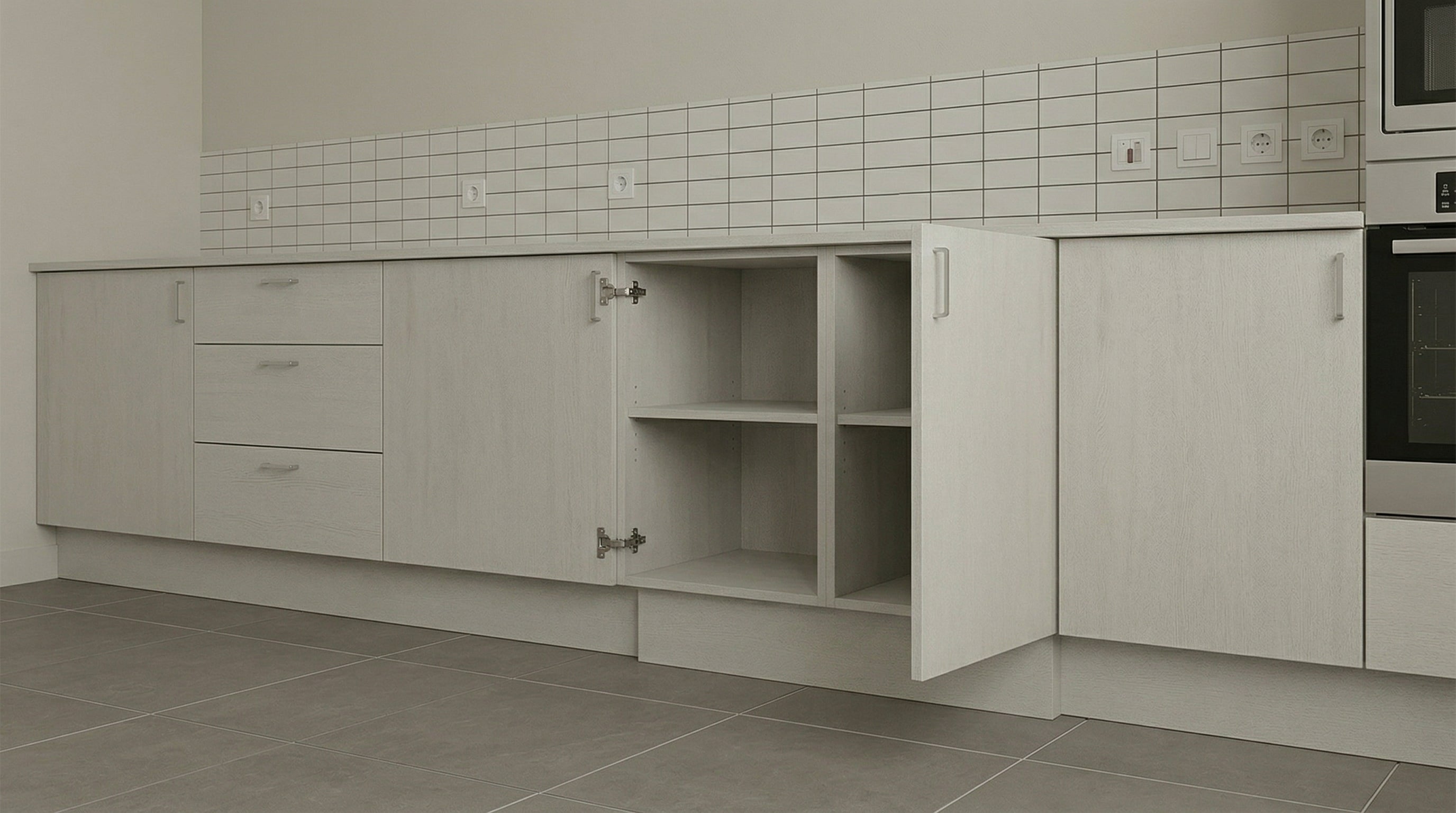
Joinery and reinforcement
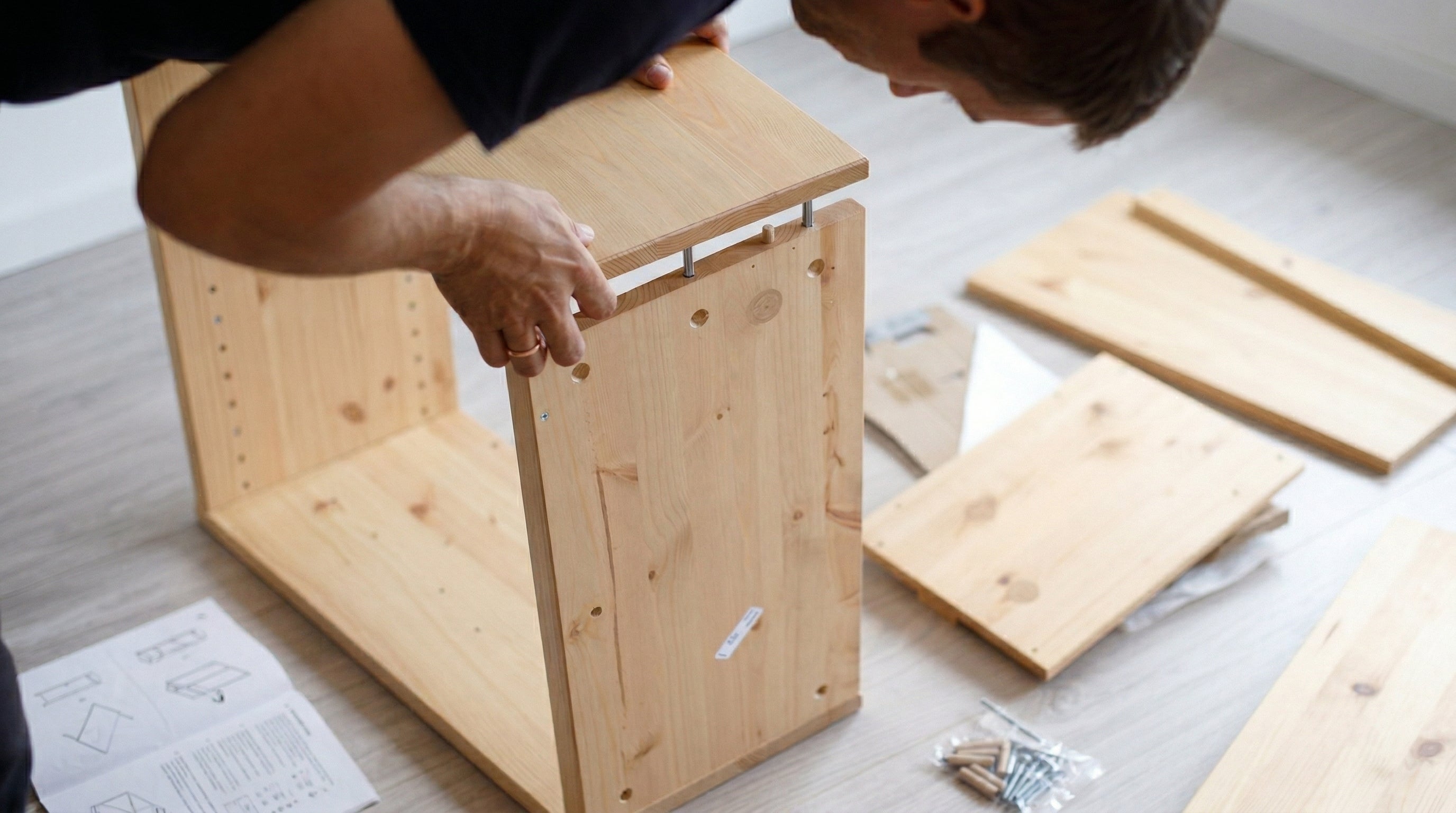
- Entry-tiers: Cam-lock, staples, or dowel with hot-melt/PU glue.
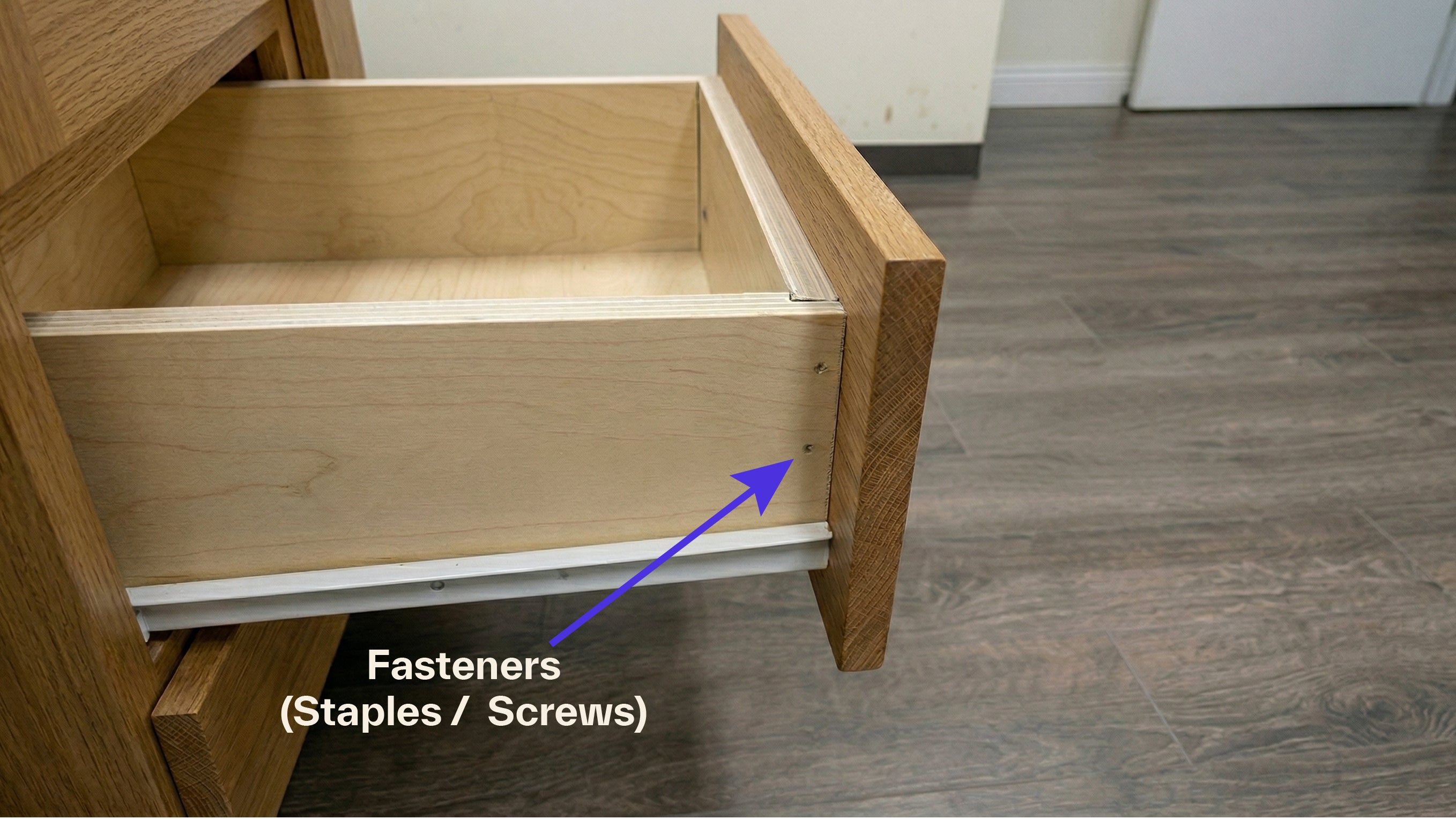
- Mid-tiers: Dowel/screw joinery with corner blocks.
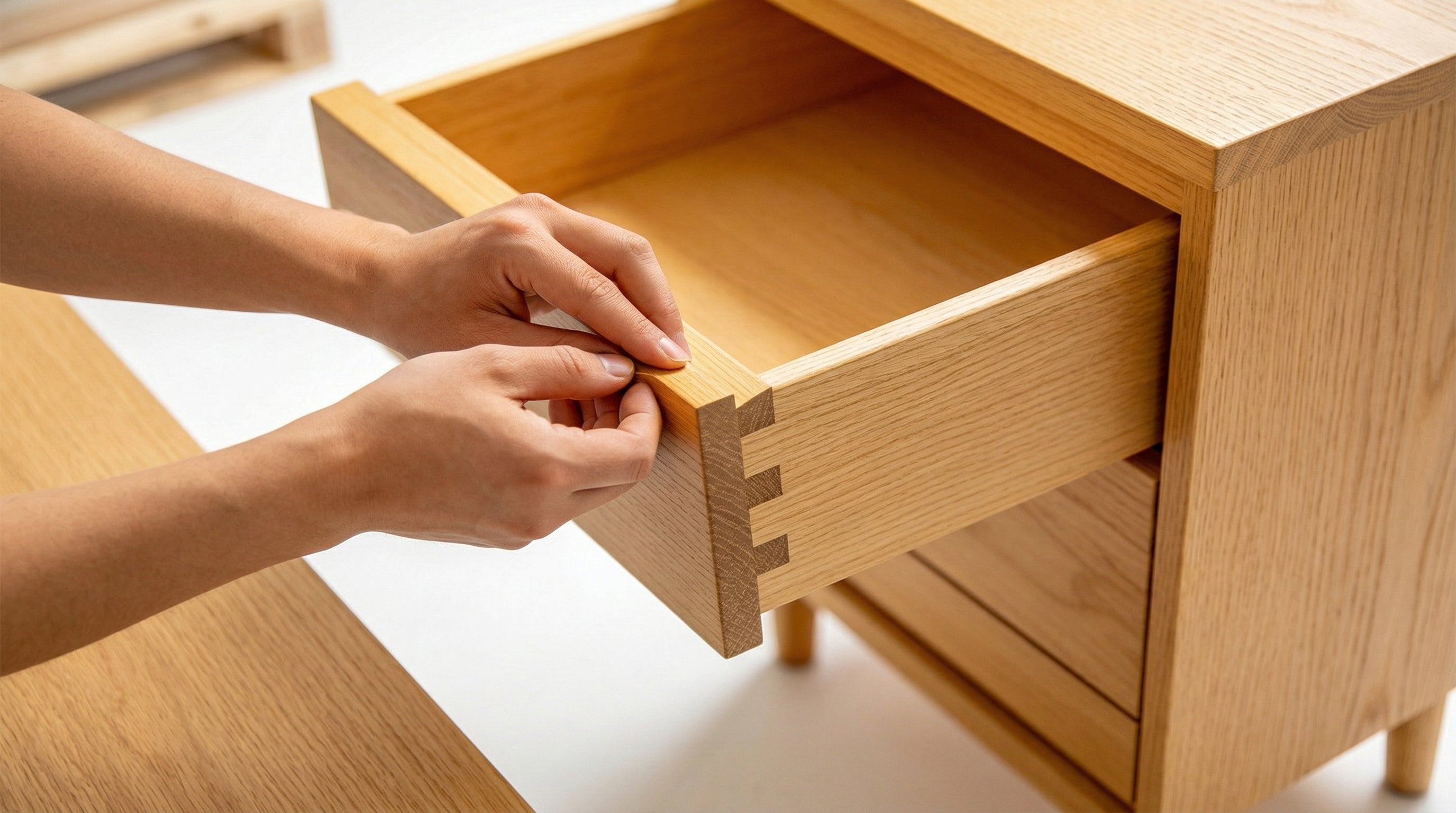
- Upper-tiers: Full dado/rabbet construction; dovetailed hardwood drawer boxes with captive bottoms; full back panels. (Minimum aesthetic/performance tolerances for architectural casework are defined in ANSI/AWI 0641).
Finish systems and quality coating
- Factory paints & stains are not the same as wall paint; industrial finishes (pre-cat / conv. varnish, 2K poly, UV-cured systems) deliver superior chemical, scratch, and moisture resistance.
- Uncured finishes: ultra-fast cure, excellent scratch/chemical resistance, and very low VOC potential—ideal for durable, consistent cabinet production.
Appearance and tolerances
Visual tolerances for gaps, alignment, and surfaces at Standard/Custom/Premium quality levels are documented by ANSI/AWI 0641; these benchmarks help set expectations for visible fit/finish across grades.
Hardware performance
- Hinges and slides should conform to ANSI/BHMA A156.9 cabinet hardware standards (operational, cyclical, strength, and finish tests). This is the baseline we reference for “soft-close,” “full-extension,” and weight ratings in higher grades.
- Slides: Side mountball bearing (typically 75–100 lbs.), or undermount concealed (soft-close, 75–150 lbs.). Grade increases correlate with extension (full/over-travel), smoothness, adjustability, and load (see BHMA A156.9 for formal classes).
Durability and independent testing
ANSI/KCMAA161.1 certification indicates cabinets have passed standard durability tests(door/drawer cycling, slide endurance, shelf loads, finish resistance, and impact/drop). This is a strong indicator of real-world performance in kitchens and baths.
Environmental and health considerations
- TSCA Title VI: Composite wood (particleboard, MDF, hardwood plywood) in cabinets must be labeled compliant for formaldehyde emissions.
- KCMA ESP (Environmental Stewardship Program): optional sustainability certification covering air quality, resource & process management, stewardship, and community relations; referenced by the ICC-700 National Green Building Standard.
Design and customization
- Standard vs. semi-custom vs. fully custom: Sizing affects ergonomics and storage yield.
- Profiles and details: Door styles (slab, shaker, raised panel), moldings, glass inserts, organizational accessories.
- Color/finish; Breadth expands with each grade; UV-cured matte/gloss and multi-step hand finishing appear in upper grades.
Warranty guidance (typical market practice)
- Entry-tiers: 1-3 years on materials/workmanship.
- Mid-tiers: 5-10 years; hardwood often longer (by component suppliers).
- Upper-tiers: Limited lifetime on boxes/hardware; finish typically covered against manufacturing defects—not normal wear. Exact terms vary by manufacturer; pair with KCMA/KCMA-ESP participation where possible.
Note: It is important to articulate cabinet quality by emphasizingvalue, craftsmanship, and appeal while still distinguishing technicaldifferences and the type of homes where each grade might be present.
Value narrative (public-facing)
Mobile home / standard — smartStyle, everyday value
Durable engineered wood with laminate / thermofoil finishes, standard cam-lock/staple joinery, basic hinges/slides, and machine-applied coatings for a consistent look. Typical warranties: 1–3 years. Ideal for builder-grade or value-driven remodels.
Good / very good / excellent — balanced beauty and performance
Furniture-grade plywood or MDF with premium veneers; dowel/screw joinery with corner blocks; soft-close hinges and full-extension slides; expanded finish & style palettes; multi-step paints/stains. Typical warranties: 5–10 years, longer on hardware. Consider KCMA A161.1 certification.
Elite / luxury / exceptional — crafted for distinction
Solid hardwood frames, premium plywood boxes, dovetailed drawers, concealed European soft-close hardware, full back panels, hand or UV-cured, multi-layer finishing.Often offered with limited lifetime warranties and AWI-level fit/finish expectations.
Spec-ready language
Baseline performance
“Kitchen and bath cabinets shall be third-party tested to ANSI/KCMA A161.1 or equal. Drawer slides and hinges shall conform to ANSI/BHMA A156.9 applicable cycle and load classes. Composite wood components shall be labeled TSCA Title VI compliant.”
Fit / Finish tolerances
“Visible casework and doors shall meet ANSI/AWI 0641 ‘Custom’ (or ‘Premium’) aesthetic tolerances for gaps, reveals, and surfaces.”
Environmental
“Where available, provide KCMA ESP certified cabinets or documented equivalent program addressing air quality, resource management, and stewardship. Formaldehyde emissions shall comply with TSCA Title VI.”
Finish system
“Factory finish shall be multi-coat catalyzed varnish or UV-cured coating with documented chemical, scratch, and moisture resistance suitable for kitchen/bath environments.
-

Appendix A — Cotality grade-to-standard alignment (at-a-glance)
- Mobile home/standard: TSCA Title VI; basic hardware (non-BHMA rated acceptable but not preferred).
- Good / very good: Prefer BHMA-rated hinges/slides; optional KCMA A161.1 on full lines.
- Excellent / elite: KCMA A161.1 strongly preferred; BHMA A156.9 hardware; AWI “Custom” tolerances.
- Luxury / exceptional: KCMA A161.1 (where applicable), BHMA A156.9 premium classes; AWI “Premium” aesthetic tolerances; UV-cured or multi-step catalyzed finishes; optional ESP.
