


Property taxes are reshaping servicing operations


Property taxes have surged 28.5% since 2019, creating a high-stakes challenge for mortgage servicers. Volatility is the new normal, triggering escrow shortages and a flood of frustrated borrower inquiries. To survive this shift, industry leaders are moving beyond outdated manual processes.

For mortgage servicers, real estate tax is no longer a background process. It’s becoming one of the most visible and operationally complex parts of the servicing lifecycle.
Property taxes continued to rise across much of the country—driven by higher property valuations, increased municipal costs and delayed reassessments coming due all at once. According to Cotality data, property taxes have increased 28.5% since 2019, with a 5.2% increase in 2025 alone. At the same time, the systems responsible for assessing, billing and collecting those taxes remain highly fragmented, with thousands of taxing authorities operating independently, each with their own timelines, systems and data standards.
For servicers, the impact is measurable. Consider that in 2025:
- Borrowers in 19 states experienced monthly mortgage payment increases influenced by taxes, often layered on top of rising insurance costs.
- Call volumes increased as borrowers questioned why “fixed” payments were no longer fixed.
- Operational risk rose as jurisdictions made routine updates to platforms, payment schedules, and administrative processes.
Against that backdrop, Cotality has spent the last few years doing what it does best: absorbing complexity at scale so servicers could continue delivering payments, stable operations, and a consistent borrower experience.
Here are some of the most significant tax problems Cotality is solving.
A constantly evolving, fragmented system
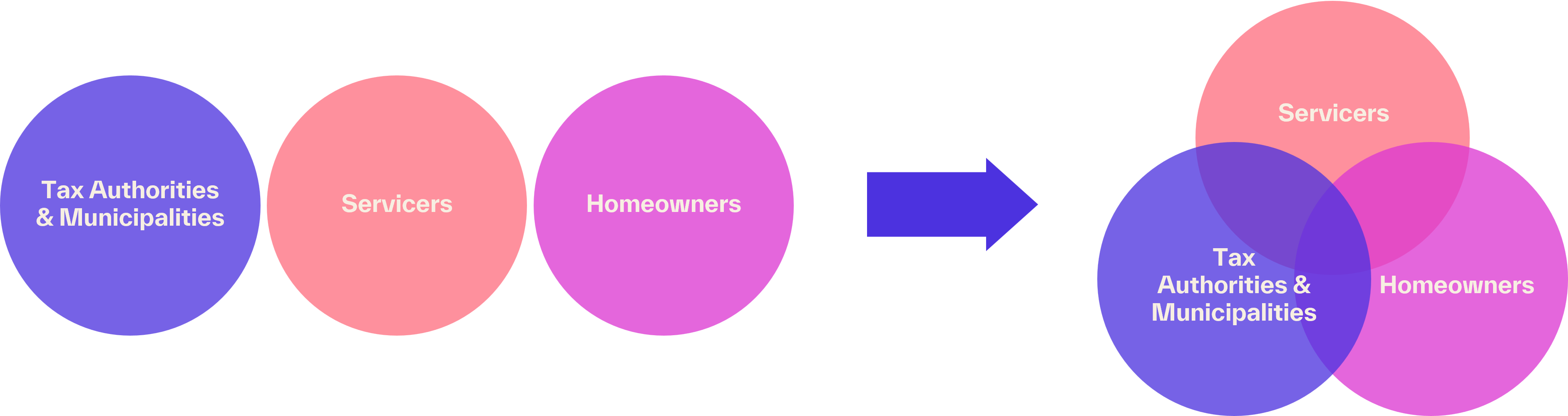
Real estate tax servicing is not governed by a single authority or standard. It is shaped by more than 22,000 taxing agencies nationwide, each operating within its own regulatory, technical, and operational framework. Change is constant—new systems, updated timelines, revised data delivery methods—but rarely synchronized.
For servicers operating across multiple states or regions, even small jurisdictional changes can have outsized impact if not identified early. In practice, this means managing a stream of adjustments, like jurisdiction-level changes across the country, and resolving those changes before they have any measurable impact on client portfolios. That proactive approach is enabled by scale: Cotality facilitated billions of dollars in property tax payments across approximately 49 million properties in 2025, maintaining active connectivity with the tax authorities. Rather than reacting loan by loan, servicers were able to rely on a centralized, disciplined process designed for a system that is inherently disparate.
Rising property taxes driving borrower confusion
As property taxes increase, borrowers feel the impact directly through escrow adjustments —often without clear visibility into what changed or why. That uncertainty drives more borrower inquiries as homeowners question why their payments are changing, what amounts are due, and whether tax bills have already been paid.
Cotality helps servicers navigate this pressure by improving transparency throughout the tax payment lifecycle. Better visibility into tax amounts, due dates and payment application status enables servicers to respond to borrower questions with clarity and confidence.
As a result, servicers using our Customer Care Center experienced a 60% average reduction in borrower calls per loan related to tax payment status in 2025, even as property taxes continued to rise.
Closing the gap between escrow withdrawal and payment application
One of the most common borrower concerns remains the perceived gap between when funds are withdrawn from escrow and when a tax payment is officially applied by the taxing authority. In a decentralized system, that gap can feel opaque, even when payments are moving exactly as intended.
Expanding electronic delivery and coordination with taxing authorities has become a key focus area. With more than 5,800 agencies on the Cotality Collector Portal, bulk payments are more streamlined and secure, which leads to increased visibility into the payment process for servicers.
The outcome is fewer “where is my payment?” calls and greater confidence that payments are not only sent but received and applied.
Managing increased tax-related call volume
As tax-related inquiries grow in both volume and complexity, the traditional generalist call center model is becoming less effective for some servicers. Many of these calls require specialized knowledge far beyond what a generalist agent can efficiently provide. Cotality addresses this challenge through tax-focused staff augmentation and call center support, covering many of the top 30 mortgage servicers in the country.
At the same time, Cotality data powers IVR and self-service tools to help resolve tax-related inquiries quickly—in 2025, 85% of inquiries were handled on the first call. In particular, common questions such as what to do with a received tax bill or whether a payment would be made were answered without a human agent. This combination helps servicers manage volume, reduce transfers, and improve resolution speed during peak tax periods.
Preventing downstream issues during loan onboarding
Many tax issues often originate during onboarding, especially for loans boarded near tax due dates, newly constructed properties, or incomplete tax records. Left unaddressed, these issues can surface months later as missed payments, borrower disputes or manual rework. Addressing this requires more than process; it requires structured decisioning at scale.
Tools like Digital Tax Onboarding are helping bring consistency to this step by applying rules-based logic and jurisdictional intelligence at the point of tax line setup. When data is incomplete or ambiguous—such as missing legal descriptions, unclear taxing authority assignments or timing conflicts around due dates—the workflow flags the issue early and allows clients to supply or validate the required information digitally, rather than discovering the problem downstream.
By combining dedicated onboarding teams with these automated decisioning tools, Cotality reduces reliance on manual interpretation and improves consistency across large volumes of boarded loans.
Gaining earlier insight into future tax exposure
One of the biggest shifts underway is the move from reactive tax servicing to earlier visibility. By the time a tax bill arrives, options are limited. Servicers need earlier signals to anticipate shortages and plan borrower communication before issues escalate. Emerging capabilities like tax amount forecasting are enabling servicers to identify potential tax and insurance increases weeks before bill receipt, helping them prepare capital planning and borrower outreach strategies in advance.
Built for what comes next
Property taxes are no longer a back-office function operating quietly in the background. Instead, they’ve become a visible, consequential part of the borrower experience and a growing source of operational risk for servicers. Cotality’s work over the past few years reflects a clear focus: anticipate change, absorb complexity, and deliver consistent outcomes at scale. As tax volatility increases and borrower expectations rise, servicers will need partners that are designed for a disparate system—and capable of turning that complexity into stability. That is where Cotality continues to invest.

