


What FEMA’s upcoming flood map changes mean for lenders and servicers


Flood risk isn’t static. But many of the flood maps in the U.S. have been. That will all change on June 10.
In mid-June, the Federal Emergency Management Agency (FEMA) will release updated flood maps for over 100 communities across 12 states. This will be the largest release of maps on a single day in the past 5 years.
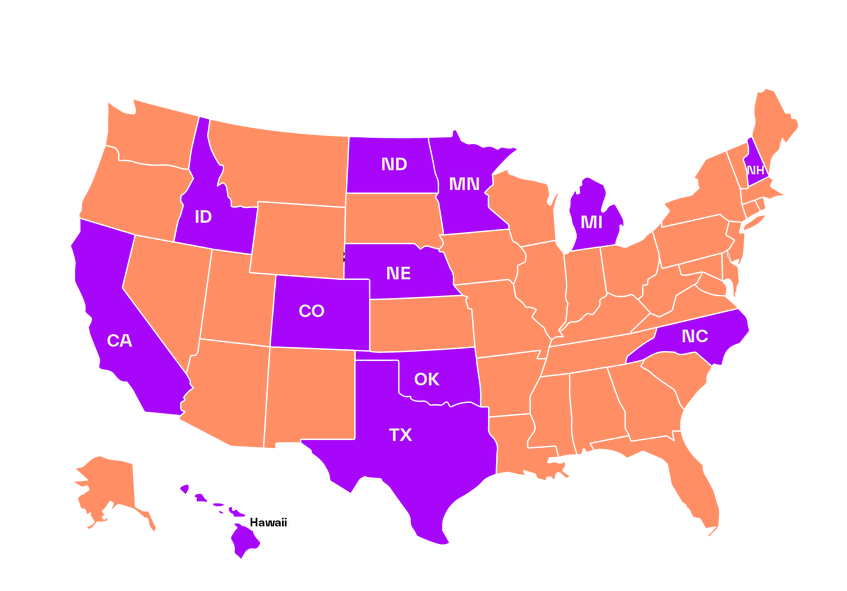
Many communities are receiving their first major update in more than a decade, with some areas being mapped by FEMA for the first time. In Honolulu County, Hawaii (island of O‘ahu), about 75% of the county is receiving new flood maps, covering about 400 stream miles across the island. Some areas are being mapped by FEMA for the first time.
The effects of changing flood maps
Guaranteed flood determinations documented on FEMA’s Standard Flood Hazard Determination Form (SFHDF) are required for every mortgage loan closing. Easy enough. However, when a loan originator orders that flood determination in the application workflow, things can change — for everything from internal procedures to vendor oversight routines to flood map monitoring. And flood zones will change in 12 states this June.
Officially known as Flood Insurance Rate Maps (FIRMs), FEMA flood maps identify Special Flood Hazard Areas (SFHAs), which are used for a number of purposes, including determining whether a mortgage requires flood insurance for closing. Congress requires FEMA to monitor and review floodplains across the nation and to periodically update the flood maps to better reflect changing climate patterns, resulting drainage impacts from development, changing water flow due to land alterations, and evolving flood risk identified by improved modeling and data. When the maps change, properties can be added to or removed from the SFHA, triggering new insurance requirements throughout the mortgage lifecycle, or even before a mortgage closes.
What should lenders and servicers do?
There are two steps that lenders and servicers should take now to prepare.
- Ensure flood determination vendors are actively and accurately monitoring newly completed and seasoned flood determinations for these flood map changes.
- Confirm how and when vendors will send notifications, who within the institutions will receive these updates, and how these will be acted upon, whether pre-closing or during servicing.
Timing is critical, and the implications for properties affected by the map updates require immediate action.
For loan applications in the pipeline, loan officers, pre-closing, and compliance teams must ensure that “last-minute” changes in flood zones that occur right before scheduled closing are identified and addressed. While perhaps infrequent, this type of perceived “bait and switch” can be avoided with effective controls, communication, training, and tested procedures. This will involve confirming with the vendor how frequently notifications are made available by the vendor.
Consider a mortgage loan closing scheduled for June 17. The completed SFHDF states the property is NOT in the SFHA. The loan officer is not aware that the community is scheduled to receive revised flood maps on June 10. The subject property is going to be mapped into the SFHA but the lender may not learn about this change until weeks after the loan closes without flood insurance.

Timing is just as critical in mortgage servicing. For properties newly mapped into the SFHA, the servicer (either directly or through its insurance tracking vendor) must provide a letter to the borrower stating that flood insurance is now required on the mortgage and that the policy must be obtained within 45 days of the letter. If the borrower doesn’t obtain a policy within that timeframe, the lender or servicer must purchase lender-placed insurance coverage on the borrower’s behalf and add those costs to the mortgage. In many cases, the lender-placed insurance costs more and can negatively affect the borrower relationship. Ultimately, Fannie Mae and Freddie Mac require that flood insurance policies be in place within 120 days of the revised flood map. Counting backward from 120 days and factoring in the required 45 days, critical, timely action is needed from both vendors and internal teams.
All of this introduces additional risk exposure and operational complexity for mortgage stakeholders, requiring greater effort to ensure compliance, a positive borrower experience, and asset protection.
What tools and resources are available?
- Cotality Next-Day Notification - Lenders and servicers should rely on the flood map experts—their flood determination vendor. Cotality’s Next-Day Notification provides greater certainty because of the timeliness of the flood map revision notifications following the flood map revision. For example, for the upcoming June 10 map revision, Cotality clients can expect that Cotality will be generating notifications within 1, 2 or 3 days following the map revision date. Clients can confirm with Cotality how frequently these notification reports are made available.
- Flood Map Intelligence - In addition to loan-level notifications, Cotality provides its clients with a Flood Map Intelligence tool to provide visibility into FEMA revisions before they take effect. This interactive tool helps lenders and servicers visualize upcoming maps and changes, including their timing, location, and magnitude. This allows origination and servicing teams, as well as their vendor partners, to prepare in advance for resource planning when large volumes are mapped into higher-risk zones. Knowing where, when, and by how many FEMA’s flood maps will change can help ensure preparedness and responsiveness.
- Future Flood Solution - But what if a lender or servicer wants to do more? Cotality offers its Future Flood solution for those who want to receive advanced information at the loan level. By coupling the Flood Map Intelligence aggregate insights with Future Flood, lenders and servicers can identify well in advance where and when significant changes are occurring and then obtain the actual loans that will experience a flood status change. By knowing which loans will move into or out of the SFHA, lenders and servicers can proactively communicate as a courtesy to improve customer experience. Advance notice of properties being mapped into the SFHA provides borrowers with much more than 45 days to consider and purchase flood insurance, while notice of mapping out of the SFHA provides time for the borrower to speak to the agent about retaining the policy to continue protection.
Lenders and servicers should also consider what training and compliance support is available from the vendors. Cotality can provide clients with best practices and compliance training to help prepare teams to process map revisions, communicate with borrowers, and handle disputes or escalations. Partnering with the vendor to ensure preparedness is a critical component of a successful strategy, but it’s only the first step.
Plan a successful transition
Incorporating new flood maps doesn't have to be stressful. It can be as simple as three steps.
- Rely on the experts — the flood determination vendor — to gain insights into where and when flood map revisions are occurring.
- Check with your flood determination vendor to ensure the products that you are receiving from them provide enough protection, and whether life-of-loan monitoring is in place.
- Verify the internal and vendor processes in place to handle map revision impacts to both the pipeline and the portfolio.
Lenders and servicers are facing a significant flood map revision that will impact pipelines and portfolios. Prepare for what’s ahead with a little insight from Cotality.
