Resale profitability is at a 20‑year high, with 95.9% of Australian property resales making a profit in the December quarter — the strongest result since 2005 — with the median gain hitting a record $365,000, reflecting accumulated growth over long hold periods rather than a sudden market surge.

Australian housing resale profits strengthened in the December quarter, with the share of properties selling at a gain rising to its highest level in more than two decades.
Of the 102,000 resales analysed in Cotality’s Pain & Gain report, 95.9% recorded a profit, up slightly from 95.6% in the previous quarter and the strongest result since 2005. The median gain reached a record $365,000, while the median loss edged higher to $45,000.
Cotality Head of Research, Gerard Burg, said the strength in resale outcomes largely reflects the accumulation of value growth over recent years rather than a sudden uplift in current market conditions.
“Resale profitability remains very high, but these gains have been built over time,” Mr Burg said.
“Most sellers have held their property for close to a decade, so the results we’re seeing now are a product of sustained value growth rather than short-term market movements.”
Time in the market continues to separate gains from losses
Properties sold at a profit had a median hold period of 9.2 years in the December quarter, compared with 8.2 years for those that recorded a loss. Loss-making house resales were held for a much shorter period, with a median of just over four years, aligning with purchases made around the COVID-era market peak.
Profit-making houses were typically held for around 9.4 years, highlighting the importance of time in the market in determining resale outcomes, Mr Burg said.
“Shorter ownership periods remain the key risk factor for losses, particularly for those who purchased closer to recent market peaks,” Mr Burg said.
“The longer a property is held, the more likely it is to absorb cyclical fluctuations and deliver a positive result.”
Houses outperform units as losses concentrate in inner-city markets
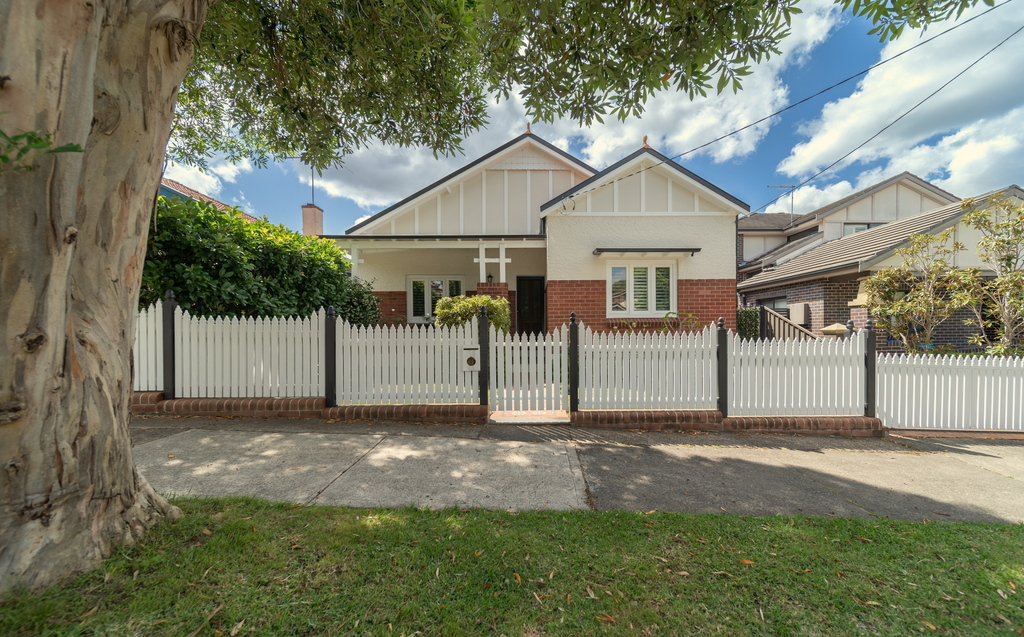
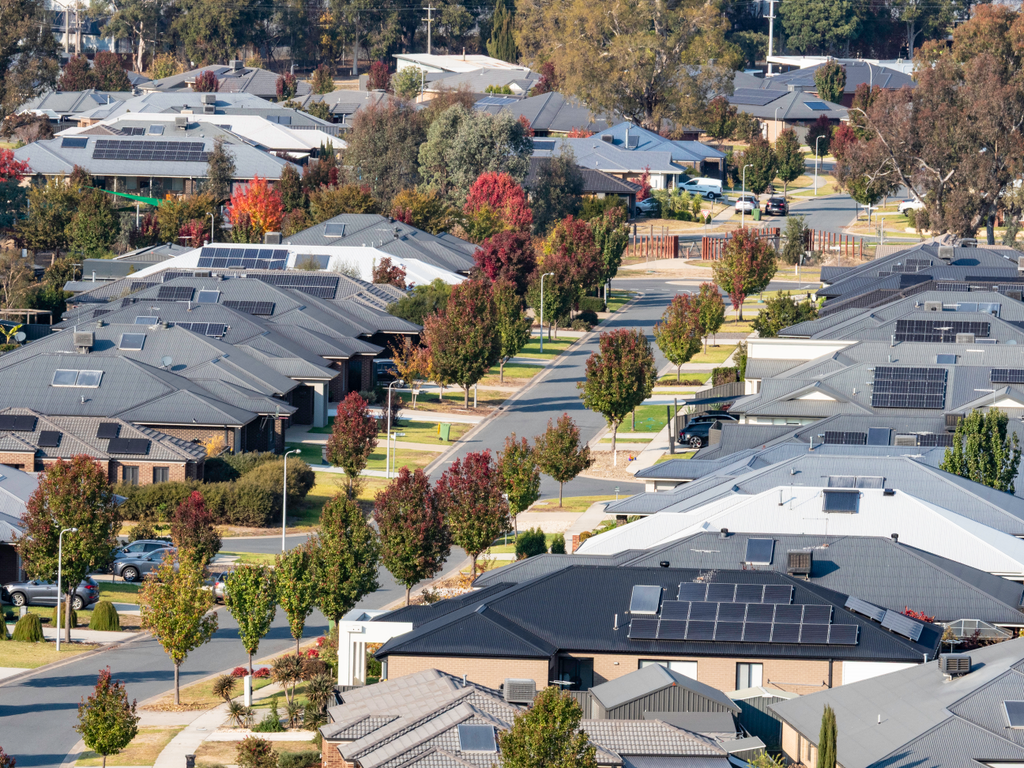
Nationally, 98.1% of house resales recorded a profit, compared with 91.2% of units. Median gains were also significantly higher for houses at $428,000, versus $246,500 for units.
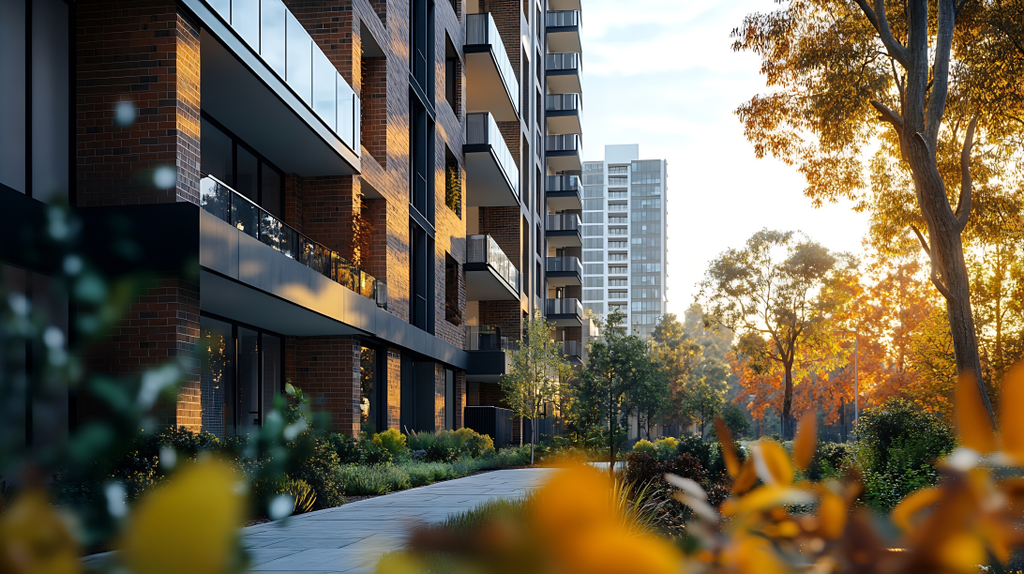
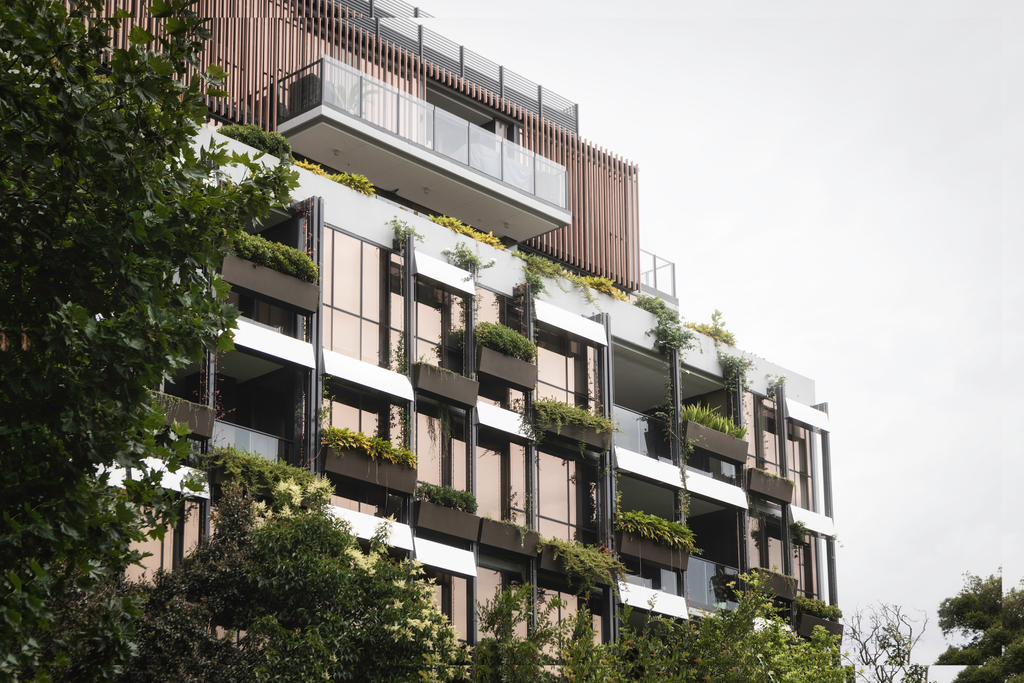
Mr Burg noted losses were most heavily concentrated in the unit sector, particularly across parts of Sydney and Melbourne, where increased supply has weighed on values.
“The performance gap between houses and units has continued and widened over recent years, reflecting both stronger demand for detached housing and a more challenging supply dynamic in some apartment markets,” Mr Burg said.
“In a number of inner-city unit markets, predominantly in Sydney and Melbourne, this additional stock has benefited those trying to get into the market but limited price growth and increased the likelihood of resale losses.”
Brisbane leads capital city profitability as lifestyle markets dominate gains
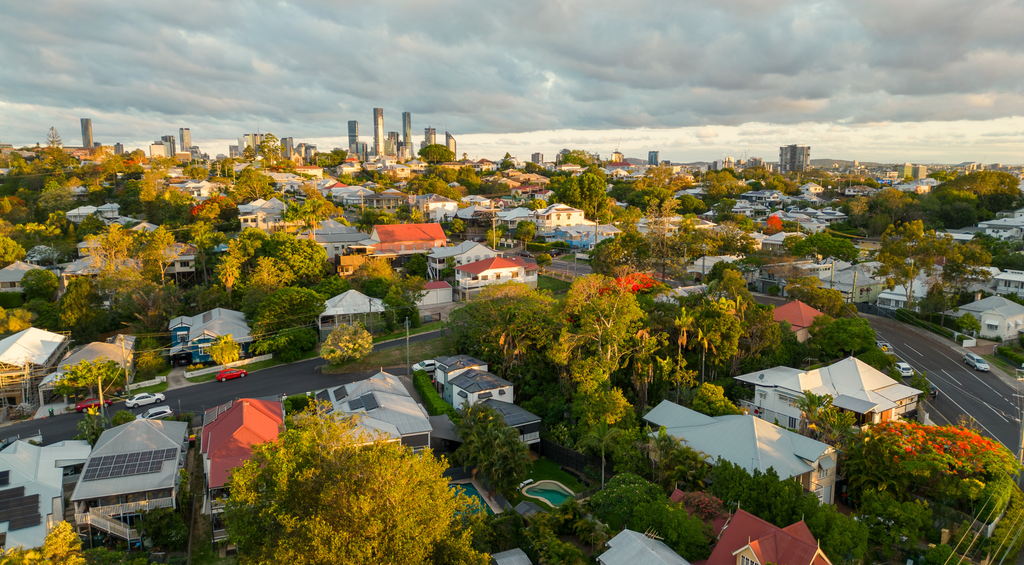
Brisbane recorded the strongest profitability of any capital city in the December quarter, with 99.9% of resales delivering a gain and a median profit of $500,000, underpinned by a decade of growth that has seen dwelling values more than double.
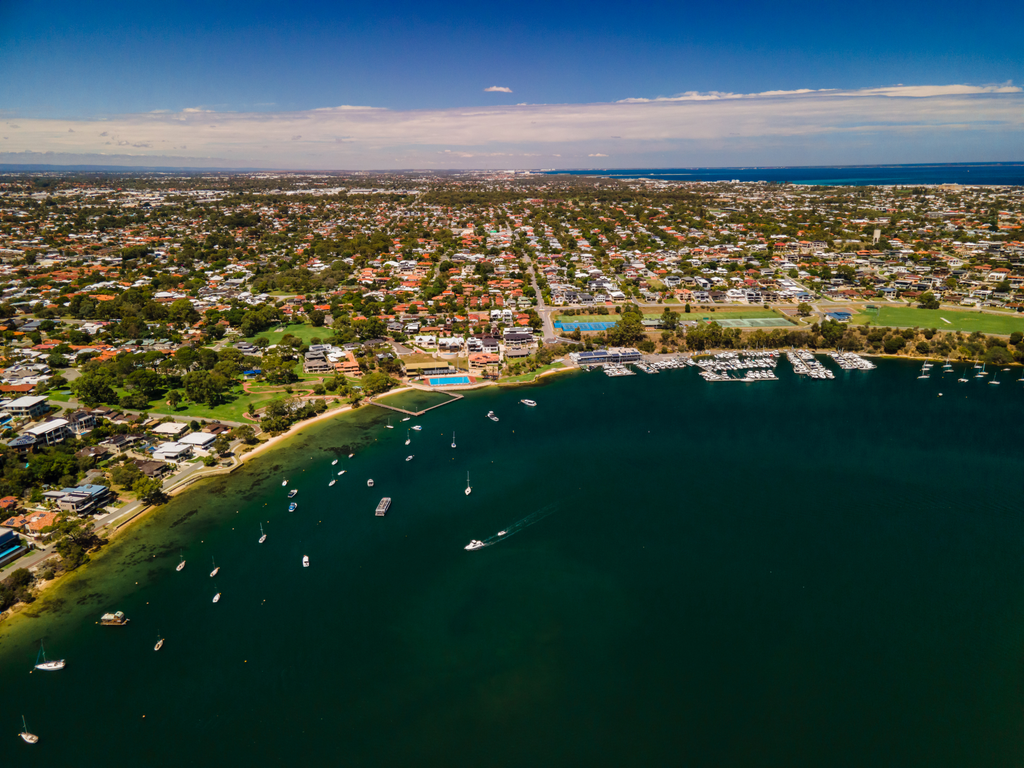
Adelaide was second, with 99.4% of profitable resales and a median gain of $445,000, up from $404,000 in the previous quarter. Perth recorded a similarly strong result, with 98.6% resales achieving a ‘gain’ and the median dollar value rising to $430,000 from $360,000.
In Sydney, 93.3% of resales achieved a profit. Despite the lower share, the city recorded a median gain of $430,000, supported by a longer median hold period of 10.4 years compared with 9.2 years nationally.
Hobart recorded 97.2% of resales at a profit, with a median gain of $322,000, reflecting weaker value growth. The ACT saw 93.8% of resales in profit, with a median gain of $325,000.
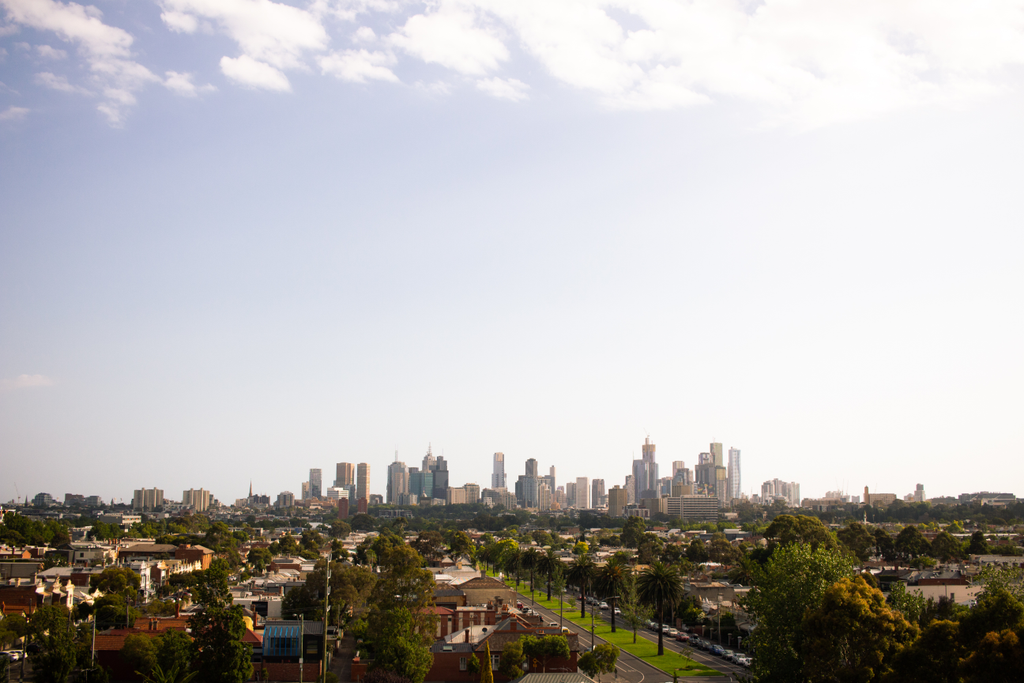
Melbourne recorded the lowest level of profitability at 91.5%, with a median gain of $324,000. Mr Burg said losses were concentrated in the unit sector, particularly across inner-city LGAs such as Melbourne, Stonnington and Port Phillip, where increased supply has weighed on values.
Lifestyle markets rise to the top
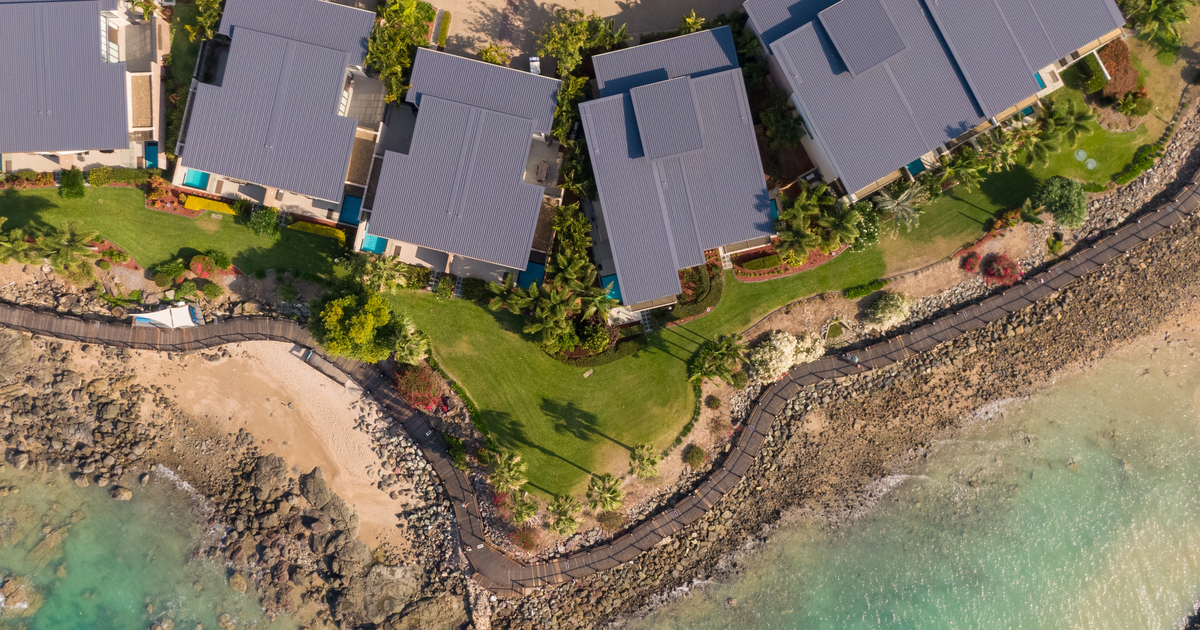
Outside of the capital cities, coastal lifestyle markets dominated the top-performing regions, with Kiama on the NSW South Coast and Noosa on the Sunshine Coast in Queensland the top two performing regions, recording median gains of more than $700,000.
“Markets that have seen a combination of strong buyer demand and limited supply over an extended period are the areas that delivered the highest resale gains at the end of 2025,” Mr Burg said.
“That includes both lifestyle locations and cities like Brisbane and Perth, where housing values have risen rapidly in recent years on strong population growth and limited new supply.”
Regional markets more broadly recorded a higher share of profitable resales than capital cities in the December quarter, at 97.6% compared with 94.9%. However, capital cities continued to deliver stronger gains in dollar terms, with a median profit of $410,000 compared with $314,000 across regional areas.
“The regional markets are showing a higher consistency of profitability for sellers, but capital cities are still generating larger nominal gains,” Mr Burg said.
Profitability to become more challenging
While resale profitability remained elevated at the close of last year, the outlook for 2026 is becoming more varied across markets, Mr Burg cautioned.
Rising interest rates, an increase in listings in Sydney and Melbourne, and easing population growth are expected to weigh on housing demand in some areas.
Cotality’s Home Value Index shows recent value trends have already diverged, with stronger conditions across Perth and more subdued performance in Sydney and Melbourne contributing factors to weaker profitability conditions.
“The drivers that supported strong profitability over recent years are starting to shift in some markets,” Mr Burg said.
“With higher interest rates and more supply coming online, the likelihood of buyers achieving ongoing record resale gains this year will wholly be dependent on timing, location and property type.”