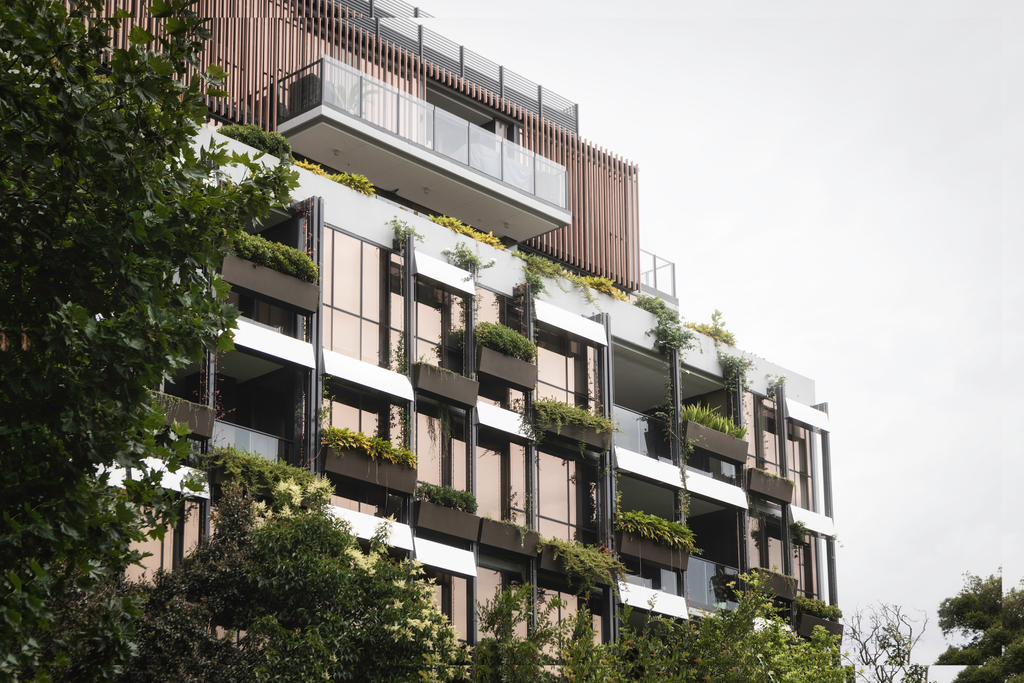
Younger women are disengaging from property ownership: Cotality’s 2026 Women and Property Report shows Gen Z and Millennial women place less importance on owning property than men, suggesting affordability pressures are reshaping the traditional “Australian Dream,” particularly for young women.

New research from Cotality reveals a significant shift in attitudes toward property ownership among younger Australians — particularly young women — raising fresh questions about whether the traditional “Australian Dream” is slipping out of reach.
Cotality's sixth annual Women and Property Report shows that property ownership is considered less important by Australian women in both the Millennial and Gen Z age groups compared to their male counterparts.
Among Generation Z women, fewer than four-in-ten (38%) consider property ownership to be highly important, compared with close to half (48%) of Gen Z men. The gap continues among Millennials, where just (58%) of women see property ownership as highly important, compared with (67%) of men.
Upfront costs hit women hardest as gender gap persists in path to home ownership
More than half of Australians who are yet to purchase a home (53 per cent) say they have been held back by the upfront costs of buying, such as deposits, stamp duty and other transaction fees — a barrier that falls even more heavily on women.
For women who do not yet own property, this figure rises to 56 per cent compared with 50 per cent of men, underscoring the persistent gender gap in financial security and savings capacity.
The challenge is particularly acute for Gen Z - typically defined as Australians born between 1997 and 2012 - with 58 per cent citing upfront costs as their main obstacle.
Ongoing affordability pressures also play a major role, with nearly one in three Australians (29 per cent) holding off buying because they believe mortgage repayments, council rates and other ongoing expenses are too high — a concern strongest among Gen Z at 40 per cent.
Additionally, one in five non owners report being unable to qualify for a mortgage (21 per cent), while a similar proportion (19 per cent) say they are simply not yet ready or looking to buy, further highlighting the complex structural and financial hurdles shaping women’s pathways into property ownership.
Cotality Australia’s head of research, Gerard Burg, said the data suggests that affordability pressures may be reshaping long-held aspirations, particularly among younger women who face greater difficulty accumulating the savings required to enter the property market.
“These findings raise important questions for policymakers, industry leaders and financial institutions about how to better support young Australians — especially women — in achieving property ownership if it remains a national goal. Women’s property aspirations are also constrained as the gender pay gap builds over the course of their careers.”
Cotality Australia’s Chief Commercial Officer, Lisa Jennings, added that property ownership underpins financial security, wellbeing and long-term opportunity.
“Early entry to the property market gives more time for wealth to accumulate and a gateway to more options later, as well as the tenure benefits from owning a property. This is a concern for younger females, who don’t own property as frequently as males.”
“Saving for a home deposit has become significantly harder for many young Australian women, particularly as they navigate lower average earnings, career breaks and rising living costs. If we want property ownership to remain an achievable goal, it’s critical that governments, industry and employers work together to remove barriers and provide targeted support that helps women build savings and enter the market with confidence,” added Jennings.
Sustainability efforts split along gender lines, highlighting different upgrade pathways
Since purchasing their home, nearly two thirds of Australian property owners (63 per cent) have made changes to improve energy efficiency or sustainability, but the gender differences are striking.
Over one third (35 per cent) of owners have undertaken significant upgrades such as solar panels, batteries or double glazing, and men are notably more likely to invest at this level (39 per cent) than women (32 per cent).
Women, however, are more likely to carry out smaller, lower cost improvements, with 31 per cent making minor upgrades compared with 24 per cent of men.
While one in eight owners (12 per cent) intend to improve their home’s sustainability over the next two years, a meaningful proportion—8 per cent—say they have not made changes because they cannot afford the upfront costs.
The pattern highlights a clear gender divide: men tend to dominate high investment upgrades, while women navigate sustainability through more affordable, incremental improvements.