-True digitisation in mortgages is about decision confidence, not just speed.
-Valuation workflows mitigate property risks by integrating siloed datasets.
-Automate the simple cases to focus human expertise on complexity.
-Usability of trusted data is key as the definition of property risk expands.
Article originally published in The Intermediary - October 2026

Mortgage underwriting has always been an exercise in confidence. A lender needs confidence in the customer, confidence in the property and confidence that the information supporting a decision is sufficiently accurate to justify committing capital for perhaps the next 25 or 30 years. What is changing is the amount of information potentially available to support that decision.
We have spent much of the last decade talking about digitisation in mortgages as though speed were its principal purpose. Faster applications, valuations and offers undoubtedly matter. But there is a more important prize available. Better information should allow lenders to be more confident about the decisions they make.
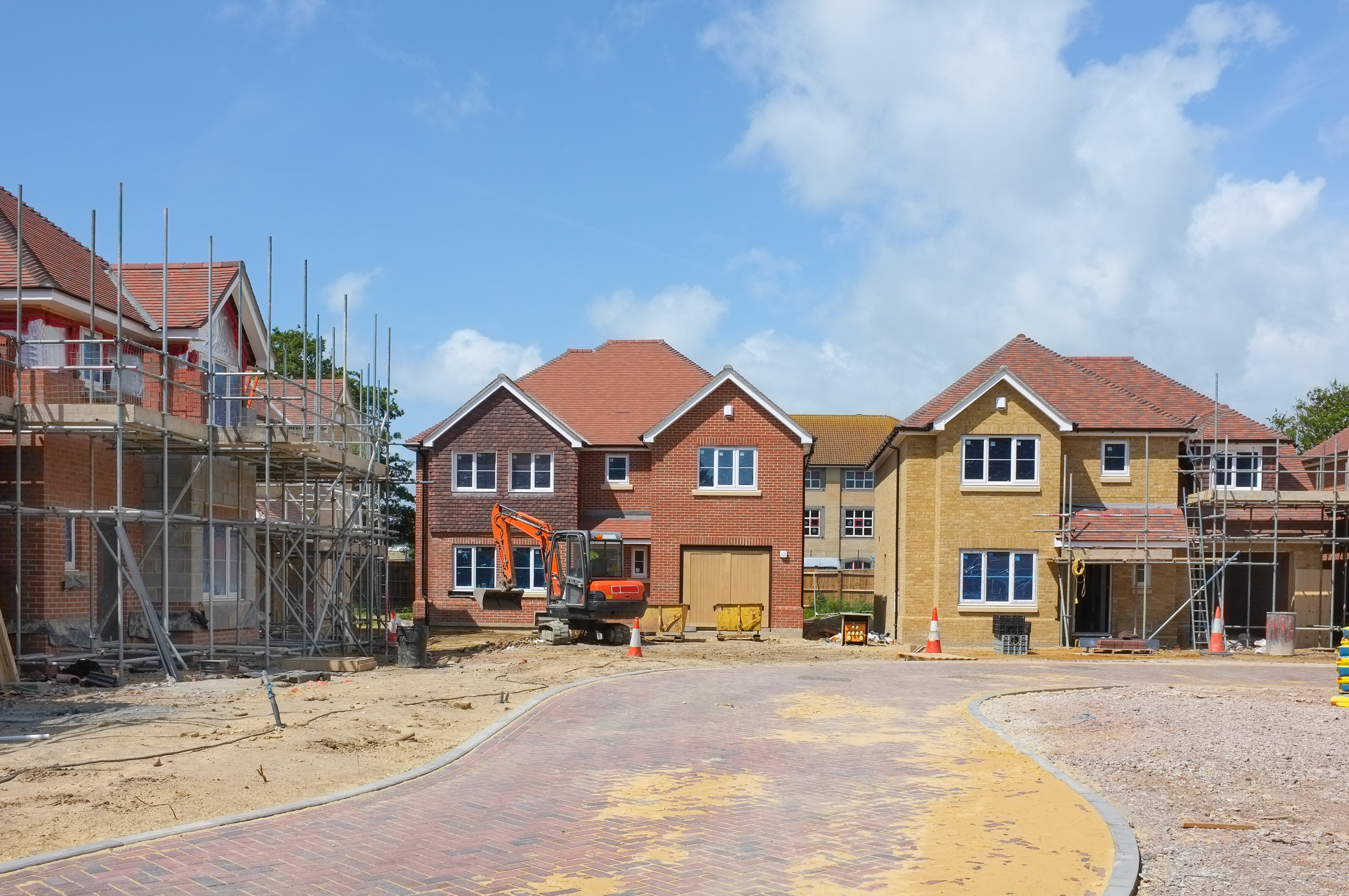
That matters because the housing challenge facing the UK is not simply about increasing the number of homes available, but those homes will also need a functioning mortgage market capable of financing their purchase.
Building the bigger picture
Lenders therefore have an important role in supporting housing growth, but understandably must balance that ambition against credit, valuation, environmental and operational risk.
This is where the thinking behind Cotality's Lender Hub becomes interesting. Lender Hub connects lenders, panel managers and surveying firms within a single valuation workflow, providing real-time case tracking, automated valuation triage, post-valuation query management and access to property risk information. The wider integrated platform can connect into lenders’ existing mortgage origination systems or decisioning platforms through Application Programming Interfaces (APIs) rather than requiring them to replace their underlying technology.
The significance of that is greater than making the valuation process more efficient. Historically, lenders have frequently had to assemble a picture of property risk from different systems, datasets and participants.
A valuation provides one part of that picture, environmental information another, energy performance another and the lender’s own credit policy determines how all those pieces should ultimately be interpreted.
Bringing those elements together changes the nature of the decision. Instead of asking how quickly a valuation can be completed, we can increasingly ask how much we can know about a property before deciding what level of valuation, scrutiny or human intervention it actually requires.
That is a much more useful application of automation. Our technology already processes the overwhelming majority of UK valuation instructions through its surveying software, while Lender Hub allows configurable rules to determine whether an automated valuation model (AVM), remote valuation or physical inspection is appropriate. Risk notifications can also identify issues earlier in the process.
The purpose is not to remove the surveyor or underwriter, but to help them take advantage of the data opportunities that exist. A straightforward property supported by strong data should not necessarily require the same journey as an unusual property where information is incomplete or conflicting. Equally, automation should not become an excuse to overlook complexity simply because a transaction happens to fit within predetermined parameters.
The opportunity is to direct human expertise towards the cases where judgement creates the greatest value.
Trust and confidence
The definition of property risk itself is expanding and the amount of property information available will continue to grow. The challenge for lenders will therefore be less about obtaining data and increasingly about making it usable.
More data does not automatically create more confidence and so the value comes from bringing trusted information together, understanding its relevance and presenting it at the point where a decision is made.
This is why the next stage of mortgage technology may be less about automation than orchestrating the lender, surveyor, valuation, property information and risk rules within the same ecosystem.
For policymakers there is an important point here too. If the Government wants lenders to support greater housing construction, then encouraging access to trusted property data should be part of that ambition.
The industry should continue the conversation about opening appropriate datasets and creating the infrastructure through which they can be used safely. The objective should not simply be to persuade lenders to take more risk but to give them the confidence to understand risk better.