


Master seismic uncertainty with high-fidelity modelling
Traditional earthquake models often overlook granular site conditions, leading to significant basis risk and capital inefficiency. Cotality’s probabilistic frameworks provide the clarity needed to transform volatile seismic data into actionable portfoio intelligence.

Managing earthquake risk
Earthquakes are rare but catastrophic. To ensure insurers are never caught off guard, Cotality utilises a sophisticated blend of paleo-seismic and seismo-tectonic characterization. By integrating the latest regionally accepted geological data, we transform hidden tectonic threats into high-fidelity probabilistic models. This granular approach provides the clarity needed to maintain solvency even in the face of the most severe seismic events.
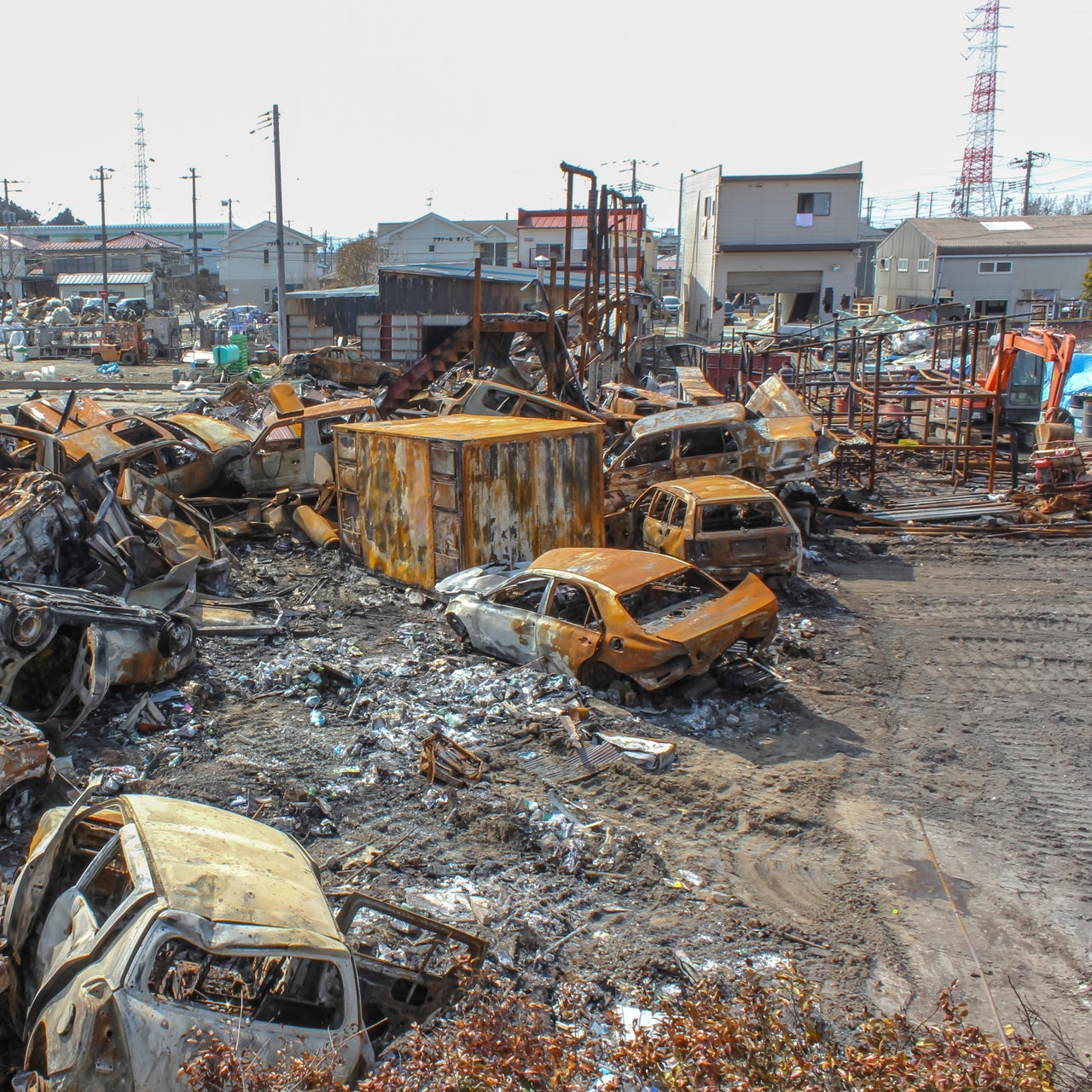
$800B
The projected economic toll of a major seismic event in urban California, representing a critical threat to capital solvency and stability
$100B
The projected cost of a Northridge (1994, CA) recurrence today, serving as a critical benchmark for stress-testing modern portfolio resilience and solvency
10% of GDP
Total economic damage from the 2011 New Zealand earthquakes, representing a massive systemic impact relative to the national economy
Engineering precision into every seismic risk view
Regionalised high-fidelity modelling
We leverage regional paleo-seismic and seismo-tectonic data alongside local soil amplification. Building vulnerability is engineered using specific regional codes and construction practices to ensure precise, asset-level risk resolution.
Asset-specific seismic precision
We move beyond neighborhood averages by integrating granular soil and sedimentary basin data with robust engineering vulnerability models. This ensures you are insuring the specific risk of your building, not the statistical mean.
Seamless platform interoperability
Empower your tech stack with standardised data inputs and secure cloud APIs. Our architecture enables the real-time integration of catastrophe modelling outputs into your existing workflows, delivering scalable results with unrivalled speed.
US Earthquake Model

Optimise your risk strategy.
The Cotality US earthquake catastrophe model integrates the latest research from USGS NSHM updates, delivering high-fidelity clarity for pricing and solvency assessments.
By bridging the gap between scientific research and insurance operations, we transform geological volatility into a stable foundation for strategic risk management.
FAQ
How can insurers assess earthquake risk for capital adequacy?
What scientific data drives Cotality's earthquake catastrophe models?
How does the earthquake data integrate with existing insurer workflows?
What is the potential financial impact of a major earthquake?
How do insurers contact Cotality for sales or product support?
Related Resources


How can we help you?
Let's get this conversation started! Our team is here to provide you with more information and answer any questions you may have.