The UK’s energy transition depends on three policy decisions affecting affordability, retrofit investment, and consumer confidence.
- Moving electricity levies to the Exchequer could lower electricity costs and strengthen incentives for heat pumps and other low-carbon tech.
- Extending the 0% VAT relief beyond 31 March 2027 would reduce retrofit costs, provide investment certainty, and support related jobs and skills.
- Consumer protection reform must improve accountability, redress, and data sharing without adding complexity to home upgrade schemes

With geopolitical and climate events continuing to put pressure on energy bills this winter, three policy decisions would have a significant bearing on the affordability, quality and pace of home energy efficiency upgrades across the UK: reforming electricity bill levies, extending VAT relief on energy-saving measures, and strengthening consumer protection for home upgrade schemes. All of which are vital to the new Secretary of State’s aims to help people with their energy bills, engage communities in the energy transition and deliver good quality jobs.
Each decision matters in its own right. Together, they will influence whether households, landlords, housing providers and the retrofit supply chain have the confidence, clarity and practical support needed to invest in better-performing homes.
Electricity bill levies: making electrification affordable
The UK continues to face high and volatile energy costs, with electricity prices a particular concern. The cost of electricity matters because it affects not only household bills, but also the business case for electrification across heating, transport and industry. If low carbon electricity remains disproportionately expensive compared to fossil fuels, households and businesses face weaker incentives to switch to low-carbon technologies such as heat pumps and other electric solutions.
In September Cotality wrote, with over 120 other organisations, in support of moving levies from electricity bills to the Exchequer for both domestic and business customers. This would help reduce the cost of electricity, improve affordability for households, support fuel-poor homes that rely on electric heating, and remove a distortion that currently holds back investment in low-carbon technologies. In Cotality's view, cheaper electricity is an essential foundation for a fair and practical transition to cleaner homes and a more competitive economy.
More recent indications that the Boiler Upgrade Scheme is under pressure makes this move even more essential. The electrification of heat is essential for decarbonisation and energy security, and pioneers – both homeowners and in the supply chain – are required to build the market. They will not act if the finances of new heating systems don’t add up.
VAT on energy-saving measures: keeping retrofit costs down
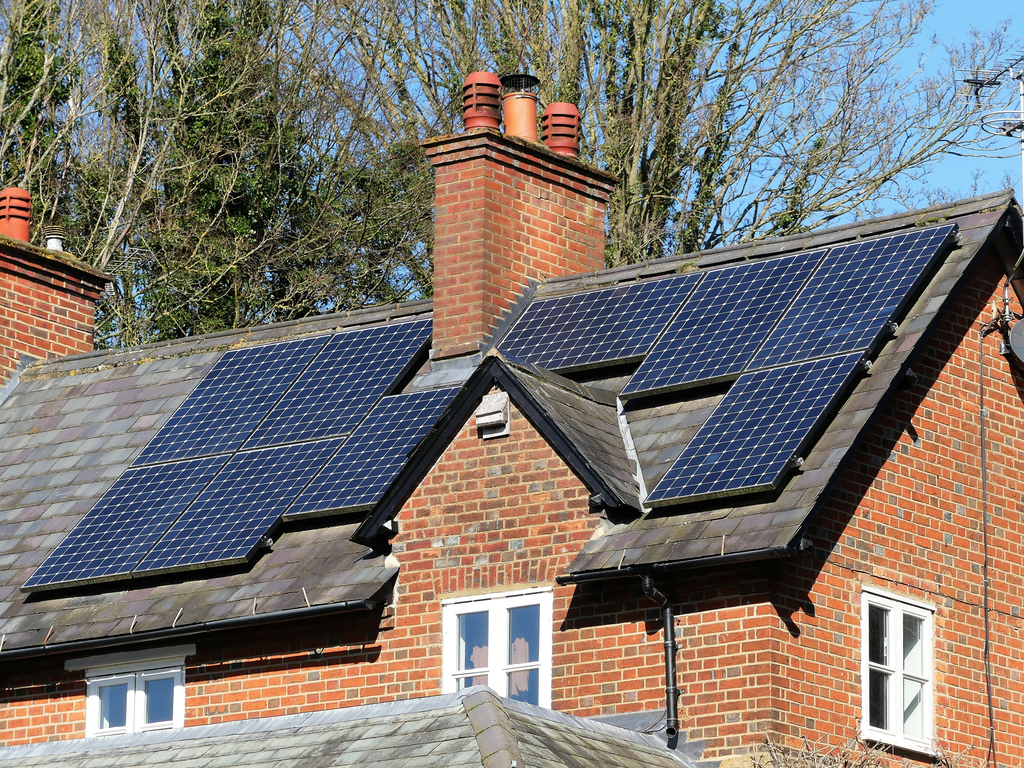
The current 0% VAT rate on many qualifying energy-saving materials has helped reduce the upfront cost of improving homes. The relief applies to measures such as insulation, solar panels, heat pumps, heating controls, draught-proofing and battery storage systems, and is currently due to expire on 31 March 2027.
Stakeholders across the private and third sector are aiming to make the case to the Treasury to continue support, because upfront cost remains one of the biggest barriers to retrofit. For landlords, homeowners and housing providers, even a relatively small percentage increase in installation costs can affect investment decisions across whole portfolios.
For tenants and residents, delayed investment means colder homes, higher bills and slower progress towards decarbonisation. For suppliers, the expiry date means (another) unhelpful cliff-edge which will temporarily raise demand before dampening it down.
Cotality supports the Sustainable Energy Association's call for the 0% VAT relief on energy-saving measures to be extended beyond 2027. Maintaining the relief would provide greater certainty for landlords and homeowners planning improvements, support delivery of the Warm Homes Plan and development of related jobs and skills, and help make energy efficiency and low-carbon heating more affordable at the point decisions are made.
Consumer protection reform: building trust in home upgrades
Consumer confidence is central to the success of home upgrade programmes. The current system is too fragmented, with inconsistent standards, gaps in redress and duplication across delivery routes. Consumers need clear, accessible advice and a straightforward route to support if something goes wrong. Installers, retrofit professionals, local authorities and housing providers also need a system that is practical to navigate and supports high-quality delivery.
The Government has recently consulted on consumer protection reform. Cotality broadly supports the case for reform and the ambition for clearer accountability, better data sharing, risk-based audit and centralised redress. However, reform must avoid simply creating new layers of complexity. Cotality believes Government should recognise the role of impartial retrofit coordination and one stop shops, ensure organisations as well as individuals are accountable, and design consumer journeys that reflect how retrofit decisions are made in practice.
Better use of data is especially important, and something we have long called for. Sharing audit findings, installer performance information, scheme data and evidence from previous works can help identify risk earlier, reduce duplication and support smarter oversight. The recent improvement to minimum evidence requirements for EPCs is a welcome first step, and we look forward to seeing the impact on the confidence of all those who use EPC data in buying, financing and planning improvements to homes and our energy infrastructure.
Why these decisions matter together
This autumn’s policy decisions in the progress of the Energy Independence Bill and annual Budget will help determine whether the UK can turn ambition on warmer, lower-carbon homes into practical delivery. Lower electricity costs can strengthen the case for electrification. Continued VAT relief can reduce the upfront cost of investment. Stronger consumer protection can give households and landlords the confidence to act.
At the time of writing, the immediate focus is on short-term support with energy bills. This is necessary for many households, but it is also frustrating for those in the sector who have seen many missed opportunities to invest in warmer, more efficient homes. Bill support may ease pressures now, but it effectively subsidises fuel use we need to reduce and does not address the long-term challenge of the nation’s cold homes.
For Cotality, the priority is clear: policy must make it easier, not harder, for people to make informed decisions about improving homes. That means fairer energy pricing, stable tax incentives, trusted advice, robust assurance and better use of property data. With the right framework, Government can support a market that is more affordable for consumers, more attractive for investors and job-seekers, and better equipped to deliver the homes people need.