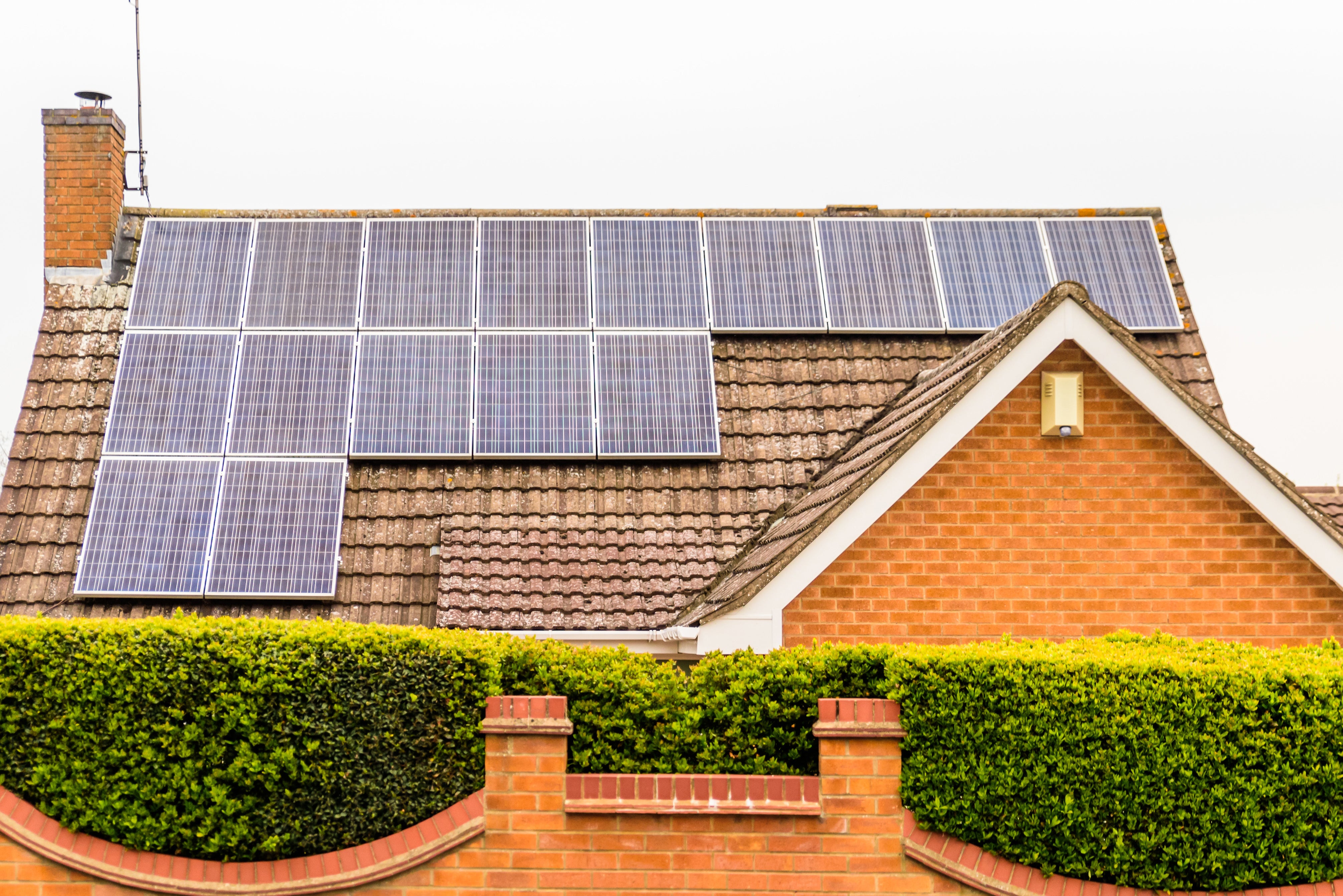
In this article, Liz Lainé, Strategy and External Affairs Lead at Cotality UK explores the evolving UK energy landscape, from the Warm Homes Plan and delayed EPC reform to the expanding role of DNOs. Discover why the era of approximate property data is over, and how Cotality’s high-resolution insights are empowering lenders, landlords, and grid operators to navigate the transition to cleaner, warmer homes

Energy security is property security
In March 2026, geopolitical volatility in the Middle East is once again exposing the UK's dependence on gas prices, and with it, a new reality has taken hold: energy efficiency is not a nice to have, or a solution for fuel poverty, it is a corepillar of household finances.
The Future Homes Standard, confirmed on 24th March 2026 is a clear indication of the direction of travel away from gas,but what about existing homes?
With wholesale gas prices hitting 13-month highs and the typical energy bill hitting 35% above pre-crisis levels, the affordability of energy bills now represents a direct risk to mortgage ability, rental yields, and household stability.
While Government action on policy costs helped lead to Ofgem’s reduction of the price cap for April-June 2026 to £1,641, down from £1,758, market analysts estimate that this will be pushed back over and beyond toward £1,973 from July 2026.
The Policy Catalyst: The £15bn Warm Homes Plan
The Government’s Warm Homes Plan set an unprecedented target: upgrade 5 million homes by 2030. Its cross-tenure approach is welcome given the societal benefits of cleaner air, warmer and less damp homes, but successful delivery is subject to the impact of three major market interventions.
1. The Starting Point:
Data certainty as the antidote to volatility
The 2026 landscape demands detailed insights. Every home has a role to play in energy security, throughdemand reduction or electrification – the challenge to date has been the lack of transparency and uncertainty as to what can be done.
Certainty starts with reliable data and while the Government’s decision to focus EPC validity on time rather than accuracy was disappointing, Cotality is delighted to welcome the government’s step forward in data-sharing the underpinning data. Our housing stock analysis is unique in its use of a full RdSAP dataset, but it was hampered by previous government’s insistence that only summary data could beshared – even with homeowners, landlords and lenders. New data-sharing announced in March 2026 answers one of our long-held asks – we can now provide the full survey data for owners and keystakeholders - and by populating our models with this data we are able to deliver unprecedented insight into each home’s need and potential for energy saving.
2. Breathing Space:
EPC reform pushed back to 2027
The government’s decision in early March 2026 to postpone the rollout of reformed Energy Performance Certificates (EPCs) from October 2026 to the second half of 2027 is not – in our view – the setback it may appear at first glance.
Our ECMK Accreditation Scheme delivers software, training, and quality assurance of the assessors who would need to collect the source data. Together with other Schemes, we flagged to government the high dependency of assessor readiness on the completion of policy deliberation and the Home Energy Model development.
In addition to giving the space to prepare software and the assessors for changes in data collection, this change in date also allows time for policymakers to make sense of the complexity of the reform. Our services, from survey software to whole stock analysis, will make the data work for our customers and their goals, but the government has a once-in-a-decade to design a prompt in the property market. Current poposals appear complex - consumer testing is now key.
The postponement is necessary for one part of the value chain, but a challenge for others. Landlords need detail to plan compliance with MEES in 2030. The delay gives some the opportunity to ‘lock-in’ those homes that are already Band C, earning a 10 year window, but landlords with homes below that Band want to assess the investment necessary under EPC reform. While Cotality can advise in relation to the latest proposals, the government’s confirmation of the EPC metrics and banding will be required to finalise investment plans.
Plug in solar panels
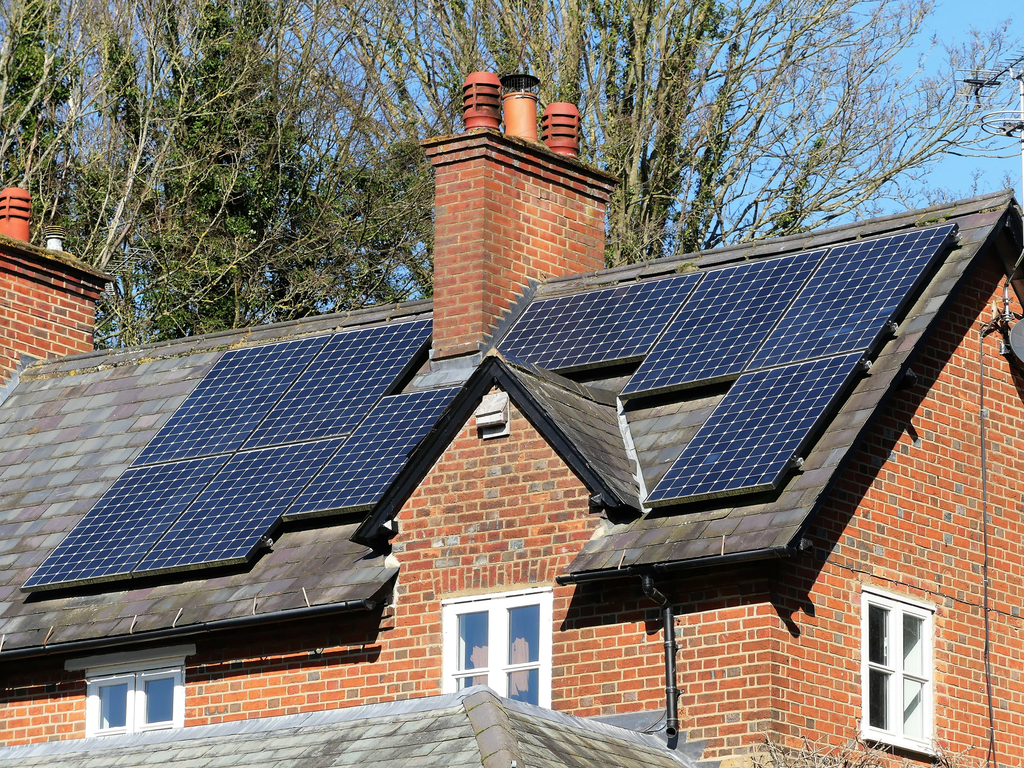
On 24th March the Government announced plug-in solar panels would be available in shops within months. Set to help those who are able to make use of energy generated during the day, this is welcome, but landlords aiming for Minimum Energy Efficiency Standards should be aware that it is not clear how these will contribute.
Energy Performance Certificates and related assessments tend to focus on elements that are embedded or wired into homes. The ECMK Accreditation Scheme will work with other Schemes and MHCLG to define how they can be incorporated into the assessment.
3. The New Orchestrators: DNOs and
Area-Based Retrofit
The Warm Homes Plan introduced a potential strengthened role for DNOs in enabling and delivering the low carbon transition, including support for low-income households. Ofgem’s March 2026 consultation on the RIIO-ED3 period explores this in more detail.
Under the proposals DNOs could be tasked with coordinating "Area-Based Retrofits" to manage grid constraints. By identifying clusters of homes ready for heat pumps and solar, there is potential for economies of scale, disruption limitation and avoidance of negative impacts on the grid. Withthat risk reduction, policy-makers hope, would come a reduced cost for consumers.
The benefit of having a stable and invested entity at the heart of area-based retrofit is certainly appealing, but the consultation on the specific roleis welcome. Should DNOs be neutral facilitators or active enablers? Is there a good fit between management of grid constraints and delivering support for low-income households? To what extent can demand reduction and flexibility be relied upon to avoid over-investment at the extent ofbill-payers? And to what extent are the DNOs the right party to make those decisions?

The Cotality Solution: From estimation to action
As we navigate the complexities of the 2026 energy landscape with increasing urgency, the overarching message is clear: the era of archetypes and “approximate" property data is officially over.
Low resolution, outdated or ultra-simple synthetic (cloned) data delivers outputs that can leave users with unreliable outputs, inappropriate recommendations and inaccurate cost estimates.
Cotality data is high resolution, regularly refreshed, with transparency on sources and data confidence.
Each market actor we work with - whether that’s lenders, insurers, local authorities, landlords, letting agents, contractors or grid operators - has a different data requirement to understand and communicate risks and opportunities.
By creating the best-in-class view of each unique home, with powerful and flexible analytics, we enable the collaboration and efficiencies that are required to deliver the transition.