Energy efficiency is an increasingly important consideration for landlords. Rising energy bills, tenant expectations, and incoming Minimum Energy Efficiency Standards (MEES) are all driving enquiries to Cotality and its Ecofurb service.
However, many landlords are unaware that the tax treatment of energy efficiency improvements can be complex. Depending on the type of work undertaken, costs may either reduce taxable rental profits immediately or only provide tax relief when the property is sold.

At the same time, the current 0% VAT rate on many energy-saving materials has helped reduce the upfront cost of retrofit projects. The relief is currently due to expire on 31 March 2027, after which qualifying measures are expected to return to a 5% VAT rate unless the Government extends the scheme.
Cotality supports calls from the Sustainable Energy Association (SEA) and a coalition of almost 50 organisations for the Government to extend the current 0% VAT relief, helping private landlords, and homeowners, invest in warmer, more energy-efficient and lower-carbon homes.
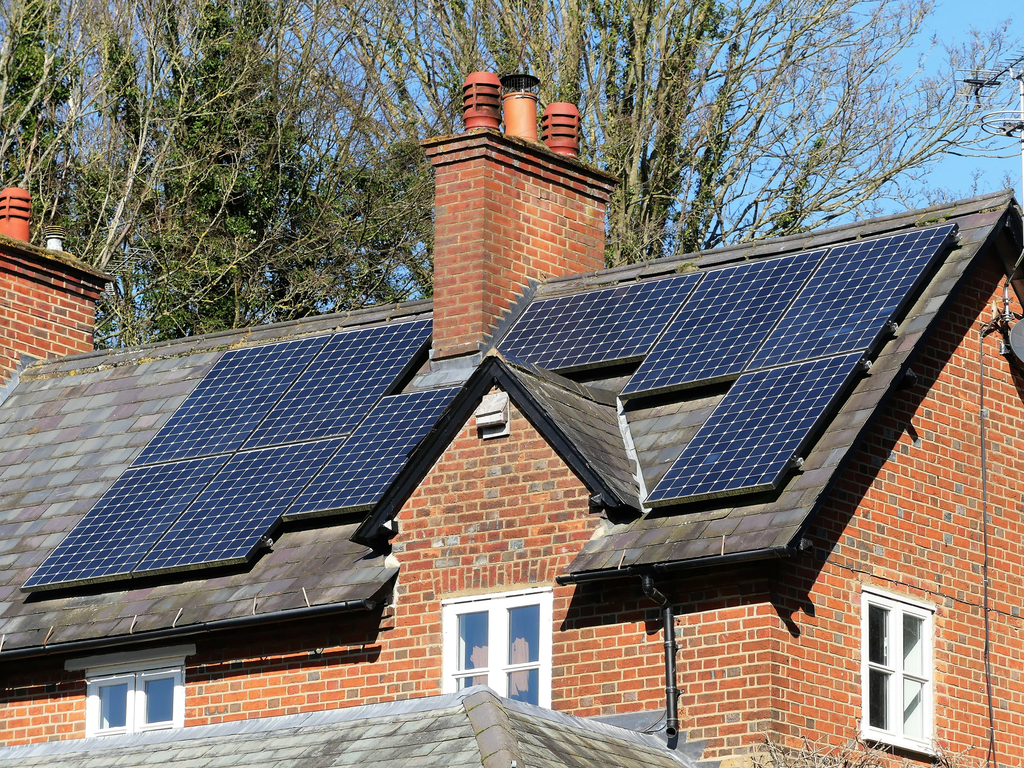
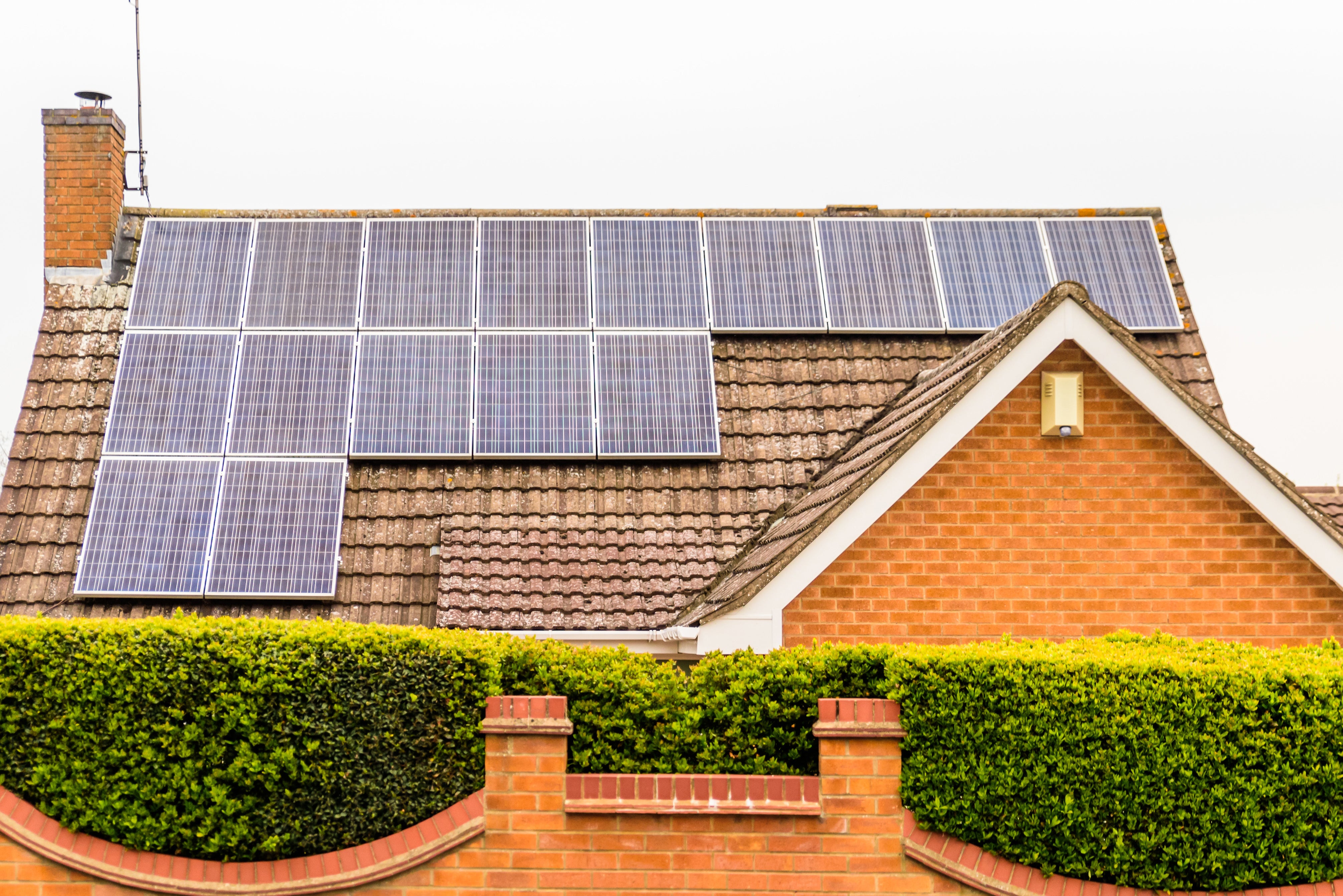
VAT on Heat Pumps, Solar Panels and Insulation
VAT can have a significant impact on the cost of improving energy performance in rental properties.
What Is the Current VAT Position?
The Government currently applies a 0% VAT rate to the installation of many qualifying energy-saving materials in residential properties.
Qualifying measures include:
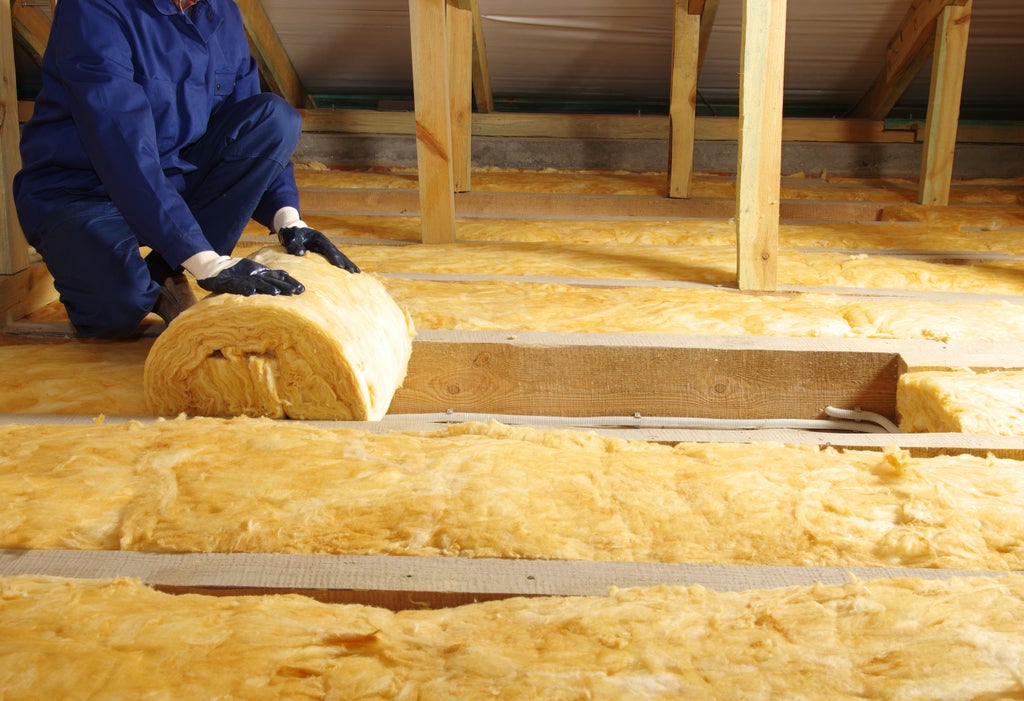
- Loft insulation.
- Cavity wall insulation.
- Solid wall insulation.
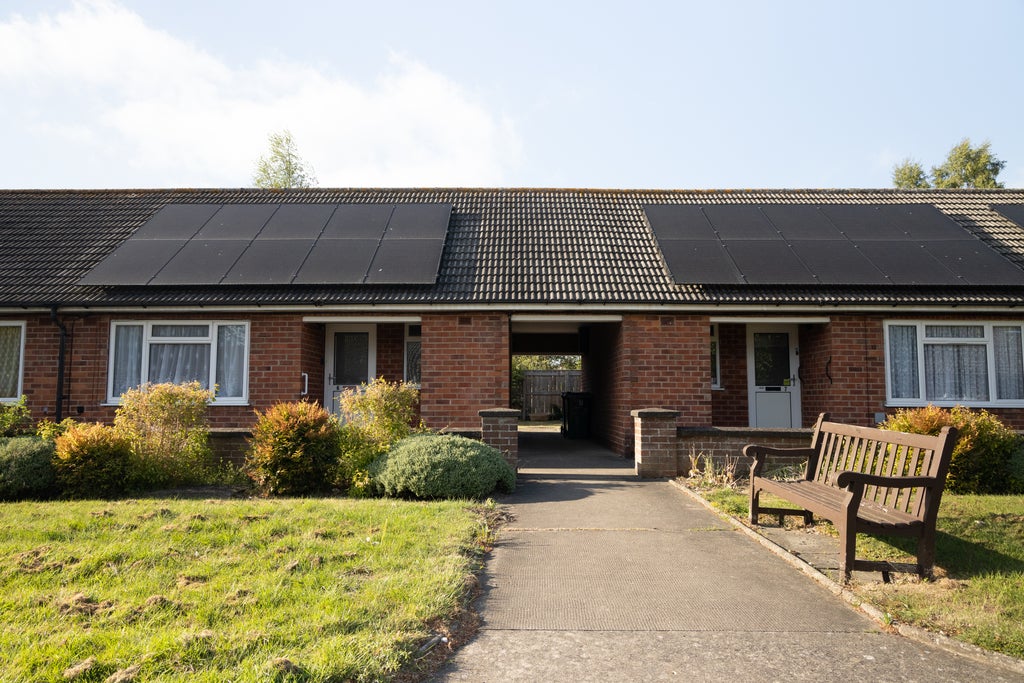
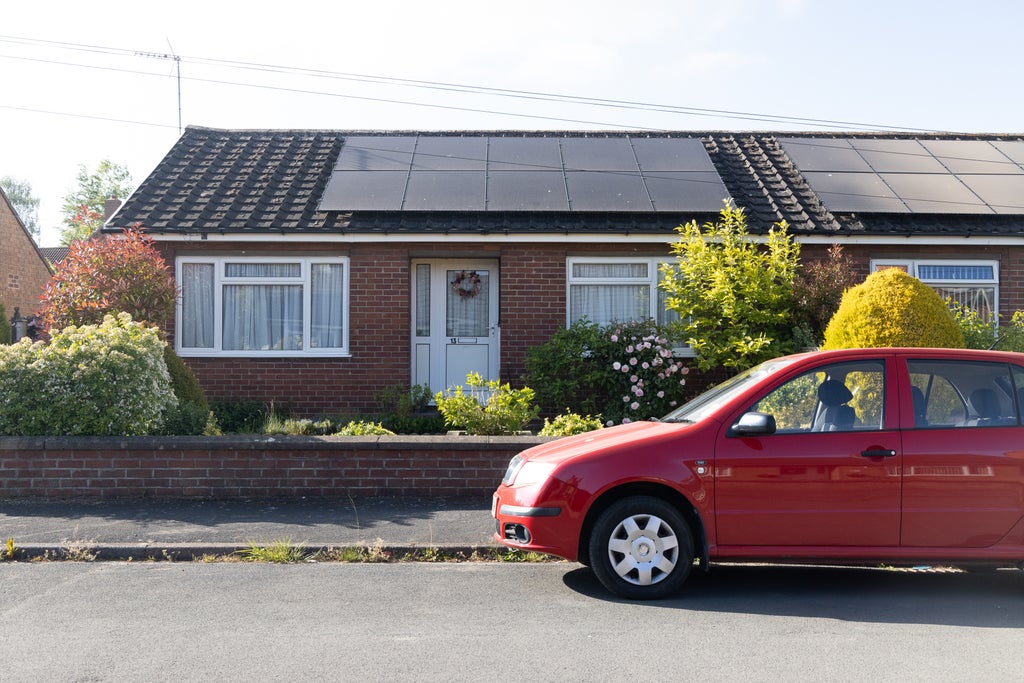
- Solar panels.
- Heat pumps.
- Heating controls.
- Draught-proofing.
- Battery storage systems, but not heat storage
The policy was introduced to support decarbonisation and improve affordability of retrofit measures. The temporary relief currently runs until 31 March 2027.
Why VAT Matters for Buy-to-Let Landlords
Most residential landlords make VAT-exempt supplies through residential lettings.
As a result, landlords typically cannot recover VAT on improvement works.
This means:
- A £15,000 heat pump installation remains £15,000 under a 0% VAT regime.
- The same installation would cost £15,750 if subject to 5% VAT.
Across multiple properties, the difference can represent a significant additional investment cost.
Why Cotality Supports Extending the 0% VAT Relief
With the Sustainable Energy Association (SEA) , Cotality is calling on Government to extend the current 0% VAT rate beyond March 2027. The campaign is supported by organisations from across the housing, energy, manufacturing and retrofit sectors.
The coalition argues that retaining 0% VAT would:
- Reduce the upfront cost of energy efficiency improvements.
- Support private landlords investing in retrofit.
- Help reduce fuel poverty.
- Improve housing quality.
- Support delivery of the Warm Homes Plan.
- Encourage greater uptake of low-carbon technologies including heat pumps.
Maintaining the 0% VAT rate would provide landlords with greater certainty when planning EPC improvements and long-term retrofit programmes. It would also help support wider investment in the energy efficiency measures needed to improve the UK's housing stock and support the transition to net zero.
Why Energy Efficiency Matters for Private Landlords
Whether you own a single buy-to-let property or manage a portfolio of rental homes, improving energy efficiency can deliver multiple benefits:
- Reduced exposure to future regulatory changes.
- Improved EPC ratings.
- Lower energy bills for tenants.
- Increased attractiveness to prospective tenants.
- Improved access to emerging green finance
- Potential increases in property value.
For many landlords, energy efficiency improvements are becoming an essential part of long-term asset management and portfolio planning.

Can Landlords Claim Tax Relief on Energy Efficiency Improvements?
One of the most common questions asked by landlords is:
"Are energy efficiency improvements tax deductible?"
The answer depends on whether HMRC considers the expenditure to be a repair or a capital improvement.
Repairs and Replacements
Where work restores an existing feature of the property, costs can often be offset against rental income.
Examples may include:
- Replacing damaged insulation.
- Repairing heating systems.
- Replacing broken heating controls.
- Replacing windows with modern equivalents.
These types of costs are generally treated as revenue expenditure and may reduce taxable rental profits in the year they are incurred.
Capital Improvements
Many retrofit measures improve a property's energy performance beyond its original condition.
Examples include:
- Installing solar panels.
- Installing a heat pump.
- Adding battery storage.
- External wall insulation.
- Whole-house retrofit projects.
- Low-carbon heating systems.
These measures are often treated as capital expenditure and cannot normally be deducted from annual rental income.
For buy-to-let landlords, this distinction can significantly affect the payback period and investment case for retrofit works.
Capital Gains Tax and Energy Efficiency Improvements
Although many retrofit costs are not immediately tax deductible, they may still generate tax benefits in the future.
When calculating Capital Gains Tax (CGT) following the sale of a rental property, landlords can generally include qualifying capital improvements in the property's cost base.
This can reduce the taxable gain and therefore reduce the amount of CGT payable. HMRC guidance states that expenditure which improves an asset and remains part of the property at disposal may be allowable when calculating gains.
Examples of improvements that may qualify include:
- Heat pump installation
- Solar PV systems
- Permanent insulation measures.
- Low-carbon heating technologies.
- Structural works undertaken as part of a retrofit.
For landlords investing in energy efficiency, keeping comprehensive records of invoices, specifications and installation certificates is essential.
Preparing Rental Properties for Future EPC Requirements
While future requirements for private rented sector homes remain subject to Government policy decisions, many landlords are already making plans to future-proof their portfolios.
Typical measures include:
- Improving loft and cavity wall insulation.
- Replacing older heating systems.
- Installing solar panels.
- Upgrading heating controls
Planning improvements strategically can help landlords spread costs over time, align works with property maintenance cycles and - most urgently - deliver compliance at a lower cost than if plans are left until late 2027 when EPC reform will mean a different set of targets.
How Cotality Helps Landlords Improve Energy Efficiency
Cotality helps private landlords, portfolio investors, lenders and housing providers make informed decisions about energy efficiency and retrofit investment through:
- EPC assessments
- Portfolio-wide analysis and retrofit planning.
- MEES readiness assessments.
- Property data and asset intelligence.
- Cost and carbon modelling.
- Policy insights for early action.
- Long-term decarbonisation strategies.
Whether you are looking to improve a single buy-to-let property or prepare an entire portfolio for future regulation, understanding the tax implications of energy efficiency improvements is a critical part of building a successful investment strategy.
Disclaimer: This article provides general informationonly and should not be relied upon as tax advice. Tax treatment varies according to individual circumstances, and professional tax advice should always be obtained before making investment decisions.
Latest information can be found on gov.uk.