First home buyers hit a record 29.5% share of NZ property purchases in Q3 2026, despite softer activity across the wider housing market.
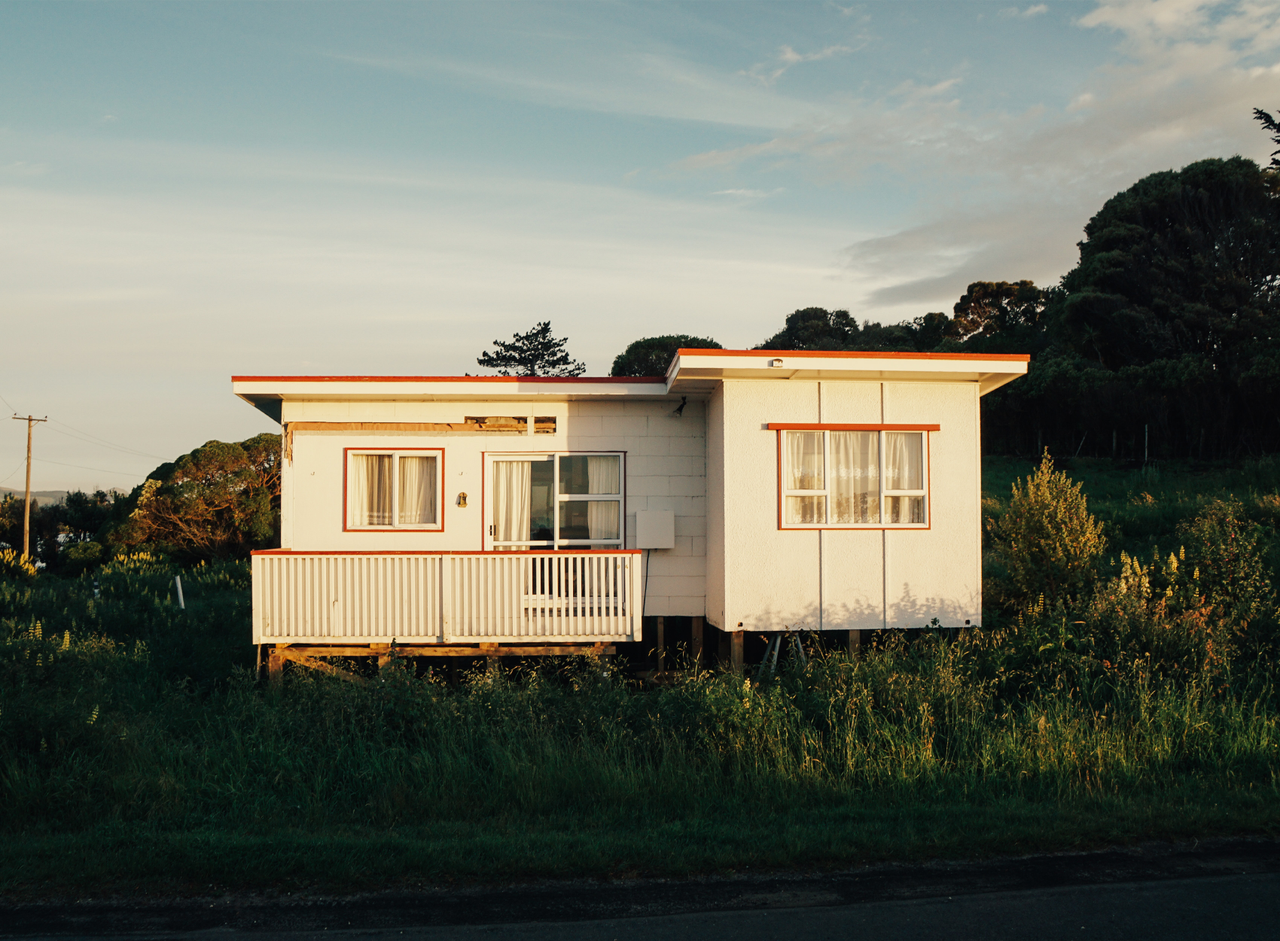
FHBs are getting more for their money, with standalone houses making up 76% of purchases and the median price paid at $715,000.
Buying conditions remain relatively favourable, with subdued house prices and low-deposit lending supporting buyers, while average mortgage payments are around $560 a month lower than at the 2023 peak.

New Zealand’s first home buyers are bucking the wider housing market slowdown, accounting for a record share of property purchases despite softer activity across other buyer groups.
The latest Cotality Westpac First Home Buyer Report shows first home buyers (FHBs) accounted for 29.5% of all property purchases in Q3 2026, surpassing the previous record of 28.3% set just three months earlier.
The number of FHB purchases also remains historically high, hovering around 25,000 on a 12-month rolling basis, back at levels last seen briefly during the post-COVID boom. This comes as wider housing market sales volumes have generally remained flat to falling.
Cotality NZ Chief Property Economist Kelvin Davidson said first home buyers had continued to take advantage of purchaser-friendly conditions.
“FHBs have always tended to be willing to compromise on location or property type to make the shift from renting into ownership, but lately there hasn’t been much need to take such an approach.”
Prices and property types
Standalone houses have accounted for 76% of all FHB purchases so far in 2026, up from 75% last year and well above the cyclical trough of less than 70% in 2023. For comparison, standalone houses have accounted for around 72% of purchases across all buyers this year.
The median price paid by FHBs so far in 2026 has risen to $715,000, up from $701,000 in 2025, but remains around $4,000 below the level recorded in 2022.
FHBs are also increasingly active across the value spectrum, accounting for around 30% of purchases in the middle 40% price bracket so far this year, up from 28% in 2025 and 21% in 2015.
“This shows that FHBs are getting the most for their money in a quieter market.”
“Another important point to make is that FHBs don’t always enter at the bottom of the housing ladder and work their way up – many actually enter well above the lowest tiers of the market.”
Lending conditions remain favourable
Access to low-deposit finance remains an important support, with recent Reserve Bank data showing more than half of FHB loans have been advanced with deposits of less than 20%.
Westpac’s mortgage lending records show the average LVR for FHB loans has remained a touch above 80% in recent months. Access to KiwiSaver for at least part of a deposit is also supporting buyers, alongside property values that remain more than 18% below their national peak.
Buyer age and location
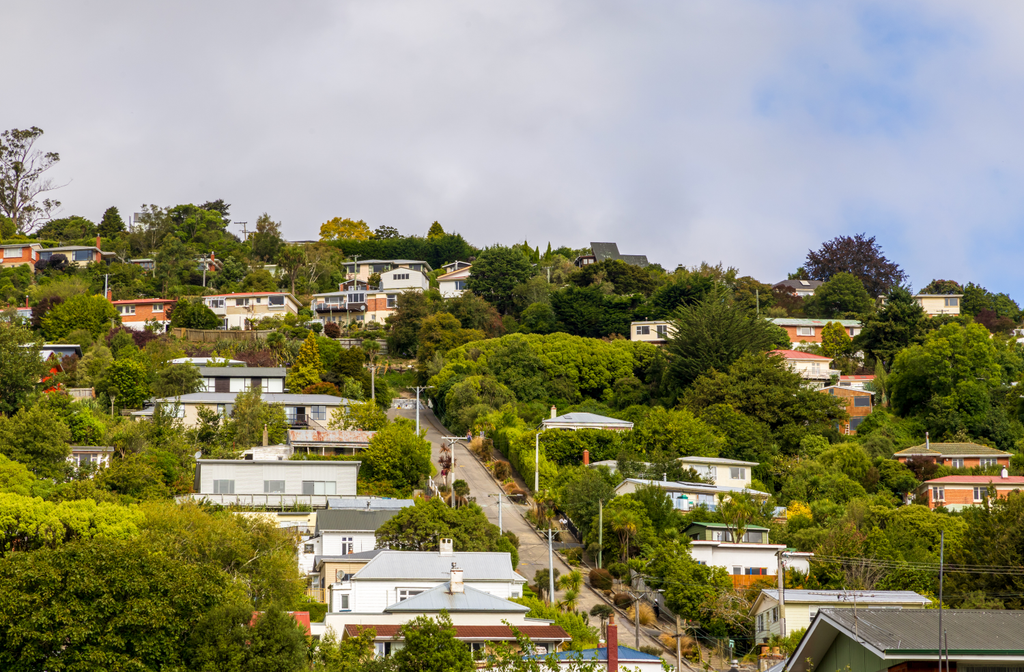
First home buyer strength is widespread, with market shares across the main centres sitting above their own long-term averages.
The wider Wellington area remains a standout, with FHBs accounting for just over 37% of purchases so far in 2026, compared with its long-term average of 30%. FHB market share has also exceeded 30% in Hamilton and Auckland.
Among the next 12 key urban areas, Palmerston North has recorded a 33% FHB share, while Rotorua, Gisborne, Hastings and Invercargill have also recorded shares of at least 30%.
Westpac borrower data shows the average age of FHBs has edged higher, from around 35 late last year to 35.5, which the report suggests could reflect buyers having more time to wait for the right property in a subdued market.
Mortgage costs remain below previous highs
Lower mortgage rates in recent years, combined with broadly flat house prices, have helped improve mortgage affordability compared with previous years.
For the average first home buyer, lower mortgage rates have reduced monthly mortgage payments by around $560 compared with 2023, when interest rates were at their peak. In Auckland, the saving is around $685 per month.
Westpac NZ Senior Economist Satish Ranchhod said the housing market remained more accessible for FHBs than it was a few years ago, although borrowing costs had begun to rise.
“Even with the recent rise in mortgage rates, the housing market is still a lot more accessible for first home buyers than a few years ago.”
“But with growing upward pressure on interest rates, it’s a good time for prospective first home buyers (or anyone with a re-fix coming up) to think about the best way to structure their borrowing.”
Outlook remains favourable
Despite higher borrowing costs, first home buyers continue to benefit from subdued house prices, KiwiSaver access and the availability of low-deposit lending. Westpac expects average house prices to fall 1.4% over 2026 before rising 1.8% in 2027.
Mr Davidson said FHBs could remain a solid presence into next year.
“Overall, it’s never easy to buy that first home and FHBs certainly continue to face challenges. But their presence has remained strong in recent months and, although nothing lasts forever, it’s not hard to imagine that FHBs stay a solid presence into 2027 as well.”
Mr Ranchhod said softer house prices should continue to provide buyers with options.
“That combination of conditions means that there is still likely to be a lot of options for those looking to get into their first home over the coming year.”