Overview
- Profit-making resales had a median hold period of 10 years, matching the longest ownership duration on record.
- 87.8% of residential properties resold for more than their original purchase price, remaining well below the 2021 peak of 99%.
- Auckland and Wellington had the weakest resale conditions among the main centres in Q1 2026.

New Zealand homeowners are holding properties for near-record periods as the country’s prolonged housing downturn continues to impact the ‘pain and gain’ of resale outcomes.
Cotality NZ’s Pain and Gain Report for the March quarter shows 87.8% of residential properties resold for more than their original purchase price, a figure that’s remained relatively stable since Q3 last year.
Cotality NZ Chief Property Economist Kelvin Davidson said while almost nine of out 10 sellers are still making a gross profit, the figures remain well below the peak of more than 99% recorded in late 2021.
He also noted that profit-making resales had a median hold period of 10 years, matching the longest ownership duration on record.
“Property values have been broadly flat for some time, and the pain and gain figures are reflecting that same gradual downward shift rather than a slump,” Mr Davidson said.
“At the same time, hold periods for profitable resales have stretched to double digits, which may indicate some owners are waiting longer before bringing properties to market.”
The national median resale gain was $285,000 in Q1, down from the late-2021 peak of $440,000 but still above pre-COVID levels. Median resale losses remained relatively contained at $54,000.
Losses increase for short ownership periods
The median hold period for loss-making resales was 4.2 years in Q1, placing the purchase period sometime since property values peaked in early 2022.
Mr Davidson said those purchasers had only experienced softer market conditions and a short hold period significantly raised the chance of a loss.
“Many owners who purchased well before the recent downturn have continued to accumulate equity, particularly the longer they’ve owned, however most won’t be generating a cash windfall as that equity will go into the next property purchase,” he said.
Investors absorb larger share of losses
Investors recorded a higher rate of loss-making resales than owner occupiers in Q1, with 13.7% of investor resales made at a loss, compared with 11.1% for owner occupiers.
“Investors are generally more exposed to apartments and shorter-term market movements, so historically they tend to record losses a little more often than owner-occupiers,” Mr Davidson said.
“Higher mortgage rates, insurance costs and other holding expenses have made yields tighter for some investors, particularly where rental growth has slowed or values haven’t moved much.”
Apartments remain under pressure
Apartments recorded a higher frequency of loss-making resales than standalone houses in Q1, with 41.1% of apartment resales made at a loss compared with 11.3% for houses.
Median resale losses for apartments were also larger at almost $70,000, compared with around $50,000 for standalone houses.
Mr Davidson said the apartment market had experienced weaker capital growth over recent years, while falling house values through the downturn had also improved affordability in some standalone housing markets.
“Apartments generally experienced less of the post-COVID boom than standalone houses, so they’ve had less of a buffer through the downturn,” he said.
“But there’s still little evidence of widespread distressed selling or fire-sale behaviour. A lot of these losses are relatively modest in the context of total property values.”
Widening divide among main centres
Auckland and Wellington had the weakest resale conditions among the main centres in Q1, with both markets showing elevated rates of loss-making sales and the largest median losses nationally.
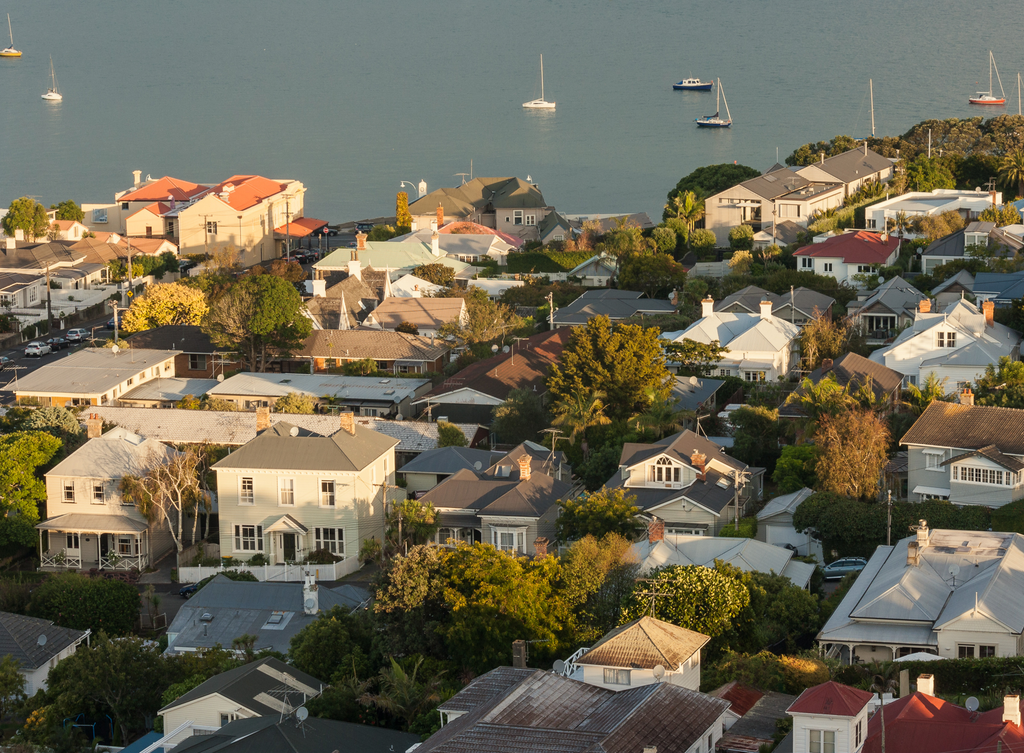
Almost one in five Auckland resales recorded a loss in Q1 (19.9%), while Wellington followed at 16.7%. Median losses were also highest in Wellington at $86,120 and Auckland at $77,000.
At the same time, both centres continued to generate some of the country’s largest resale gains for longer-term owners, with median profits of $350,000 in Auckland and $345,000 in Wellington.
Mr Davidson said both markets had risen sharply through the boom period and resale outcomes varied significantly depending on when owners purchased.
Christchurch continued to record the most resilient resale performance among the major centres, with only 4.7% of resales made at a loss in Q1 and a comparatively modest median loss of $32,000.
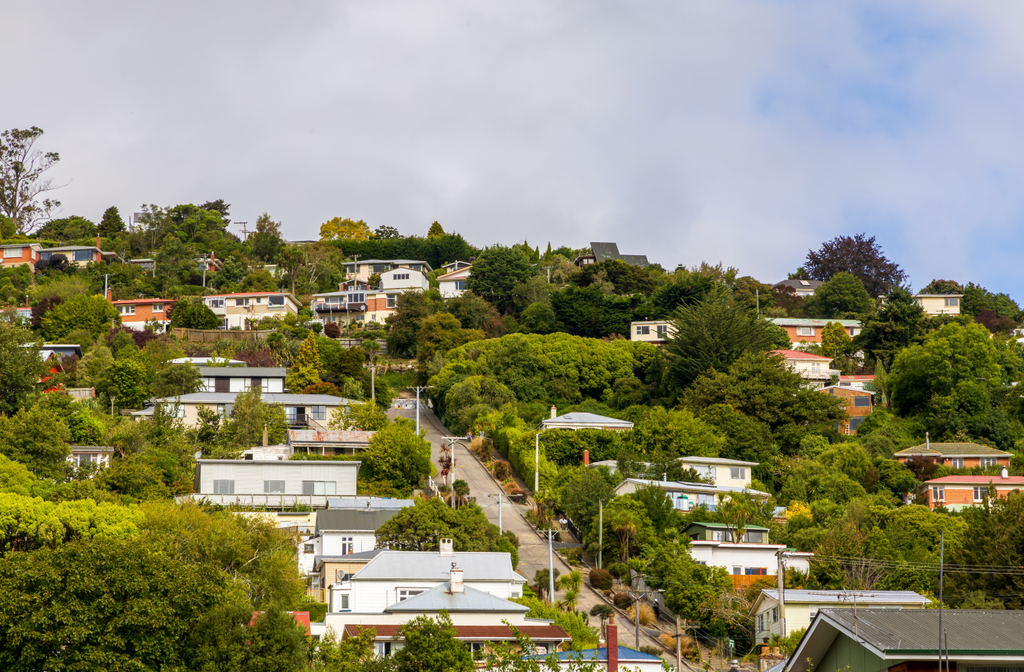
Dunedin recorded the smallest median resale loss nationally at $15,000.
Housing market in holding pattern
Mr Davidson said the resale figures were consistent with a housing market that had been largely flat for an extended period.
“Property values may have edged a little higher in recent months, but the market still looks pretty subdued overall,” he said.
“Sales activity has been soft to start the year, listings remain elevated, and with uncertainty around the Iran conflict still very high and mortgage rates potentially drifting upwards again, it’s difficult to see anything other than another fairly sluggish period for the housing market.”