New Zealand's housing market delivered a year of broad stagnation in 2025, with lower mortgage rates boosting sales volumes, but a sluggish economy and weak labour market providing an offsetting influence on property values.
Cotality’s annual Best of the Best Report covers a wide range of property measures at a granular suburb level, including changes in values and rents, the level of rental yields, and time on the market.
Cotality NZ Chief Property Economist Kelvin Davidson says the year has largely been defined by conflicting forces.
"While lower mortgage rates and continued access to finance have supported buyers, the recovery has been significantly limited by other factors.”
“A sluggish economy and rising unemployment rate have weighed on the housing market, keeping the general value trend broadly flat across much of the country."
Mr Davidson said despite the extended 'flat patch' for values, there’s also been significant activity beneath the surface.
“First home buyers have remained very strong, hovering as high as 28-29% of overall purchasing activity, while 2025 has also seen a comeback by mortgaged multiple property owners.”
“Given the continued decline in net migration, we’ve also seen rents have weakened this year. There have been outright falls in markets such as Auckland, Wellington, and Christchurch which don’t happen often, so it’s been a tricky period for any investor looking to boost their income. Of course, it’s been a more favourable period for tenants.”
Auckland dominates the priciest suburbs
Auckland suburbs continued to have the priciest suburbs across the country in 2025, taking eight of the top 10 positions nationwide.
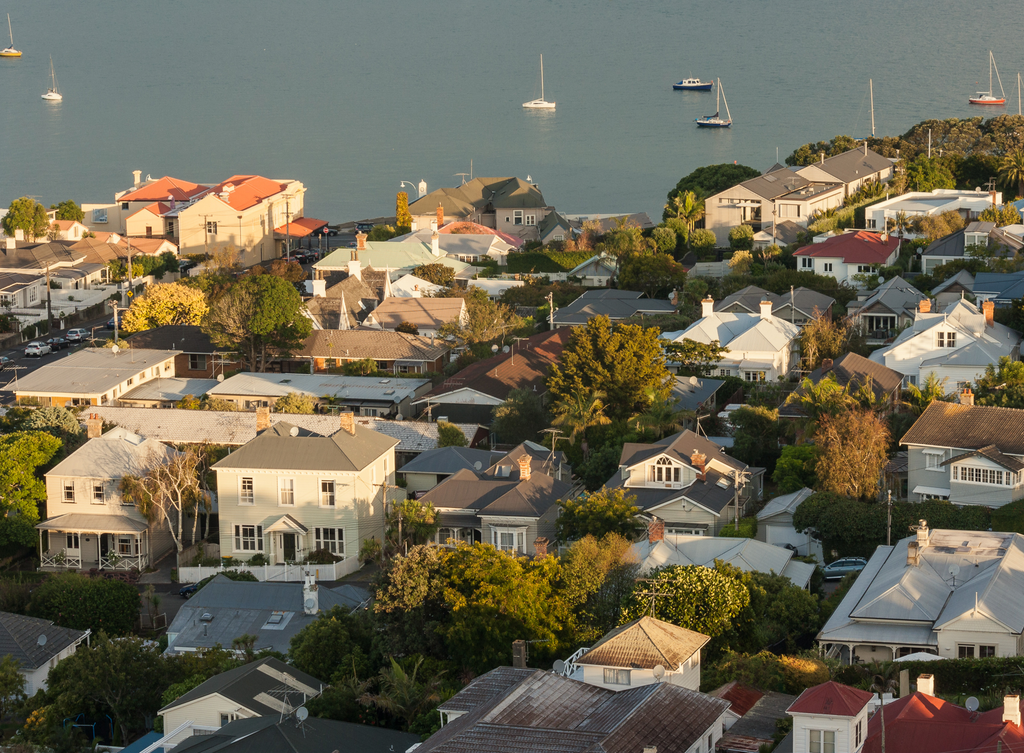
Herne Bay led the national list with a median value of $2.6 million, followed by Westmere ($2.2 million), Ponsonby ($2.2 million), and Remuera ($2.0 million).
Arrowtown ($2.0 million) and Tamahere ($1.9 million) in Waikato were the only suburbs to make the top list outside of Auckland.
Mr Davidson noted that Auckland's economy has largely been subdued throughout the year.
“While Auckland suburbs dominate the top list of highest median values, this unaffordability factor combined with the subdued local economy and a persistent pipeline of new housing supply, has acted to cap growth rates.
“The relatively weaker performance of the Auckland market throughout the year can be partly attributed to affordability pressures being more intense there than some other areas."
Strongest gains in lower value suburbs
Greymouth had the highest five-year growth in 2025, at nearly 60% increase in the median value since 2020.
This was closely followed by Somerfield (Christchurch) and Hokitika, both delivering gains of nearly 50% growth over the same five-year period.
Mr Davidson noted the majority of the highest growth suburbs tend to skew toward more affordable areas, encompassing rural locations, small towns, or lower-priced suburbs within larger main centres.
“There are two outliers, however, which are Jacks Point and Lake Hayes; both high-end suburbs in Queenstown, whose popularity among affluent buyers may have contributed to their stronger growth in 2025,” he added.
Invercargill homes sell fast in under 10 days
Property sales across New Zealand are on track to total around 90,000 in 2025.Looking regionally, Invercargill posted some of the fastest selling times, with the suburbs of Glengarry and Grasmere both holding the title for the shortest days on market at a median of just nine.
Mr Davidson commented on the city's performance, “Invercargill has generally been a pretty resilient market this year supported by affordability and a strong rural economy.”
At the other end of the spectrum, suburbs such as Taumarunui (Ruapehu), Opaheke (Auckland), and Twizel (Mackenzie) all tied for having the longest listings, sitting at 71 days on market.
Outlook for 2026
Looking ahead, Mr Davidson said the regulatory environment in an election year will be one to watch, as well as peoples’ rates decisions – whether to fix longer, and if so, when.
“The year ahead will be defined by the regulatory environment in an election year, including the influence of debt-to-income ratio caps, possible capital gains tax debates, and also the effects of looser LVRs.”
“Supported by an improving economy, with projected GDP growth and falling unemployment, property sales are forecast to reach around 100,000, driving median property values up by an estimated 5% nationally.”
“However, this price growth will be contained by increased government housing supply initiatives and the growing importance of the debt-to-income ratio system, both of which will dampen any significant house price increases,” he said.