


EPC C for social housing. At the lowest cost.
Every home you own, its EPC position and its lowest-cost route to C, in one view. Built for councils and housing associations managing stock at scale.
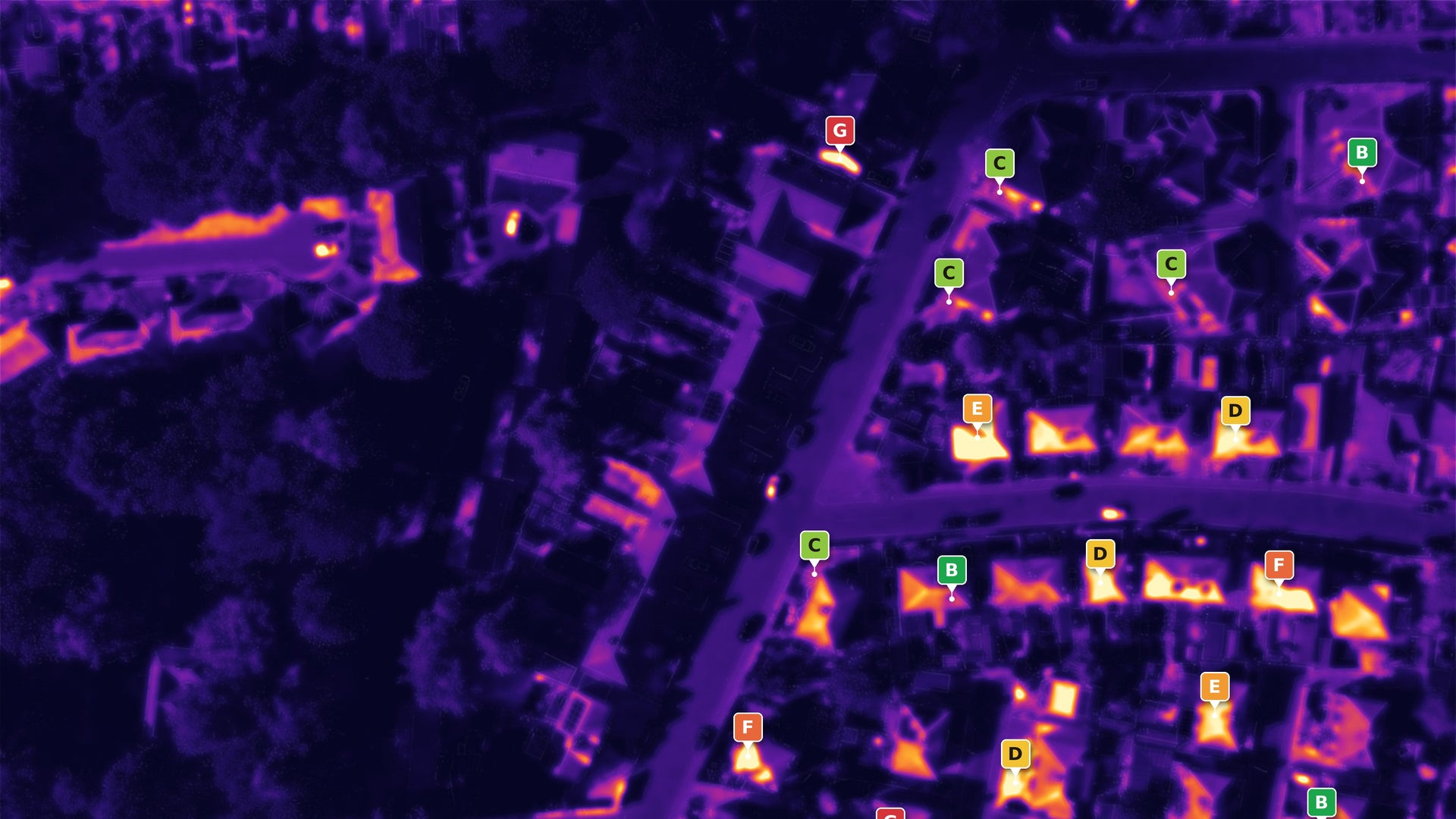
A costed route to EPC C, home by home
By 1 April 2030, every social home in England must reach EPC C or have a valid exemption.
Cotality models your stock home by home. We set aside homes that already comply or qualify for an exemption, find the lowest-cost route to C for the rest, and help you phase the work alongside Decent Homes, fire safety and planned maintenance, so each home is visited once.
View our video to see how it works.

£58.6m
Potential Saving
For a landlord with 10,000 homes, based on an average saving of £5,865 per home.¹
65%
Budget Saving
Up to 65% less needed to bring every home to EPC C.
500,000+
Homes below EPC C
Housing association homes in England still below EPC C.²
Know before you spend.
See your whole stock
One view of every home's EPC position, including records that are missing, expired or likely to be wrong.
Find what already complies
Identify homes that already meet C, and those that may qualify for an exemption, before any budget is set.
Model every option
Compare insulation, heating, glazing and renewables for each home to find the cheapest mix that reaches C.
Evidence for your board
A costed, auditable programme you can take into your business plan, HRA plan and board reporting.
Not every upgrade earns its place
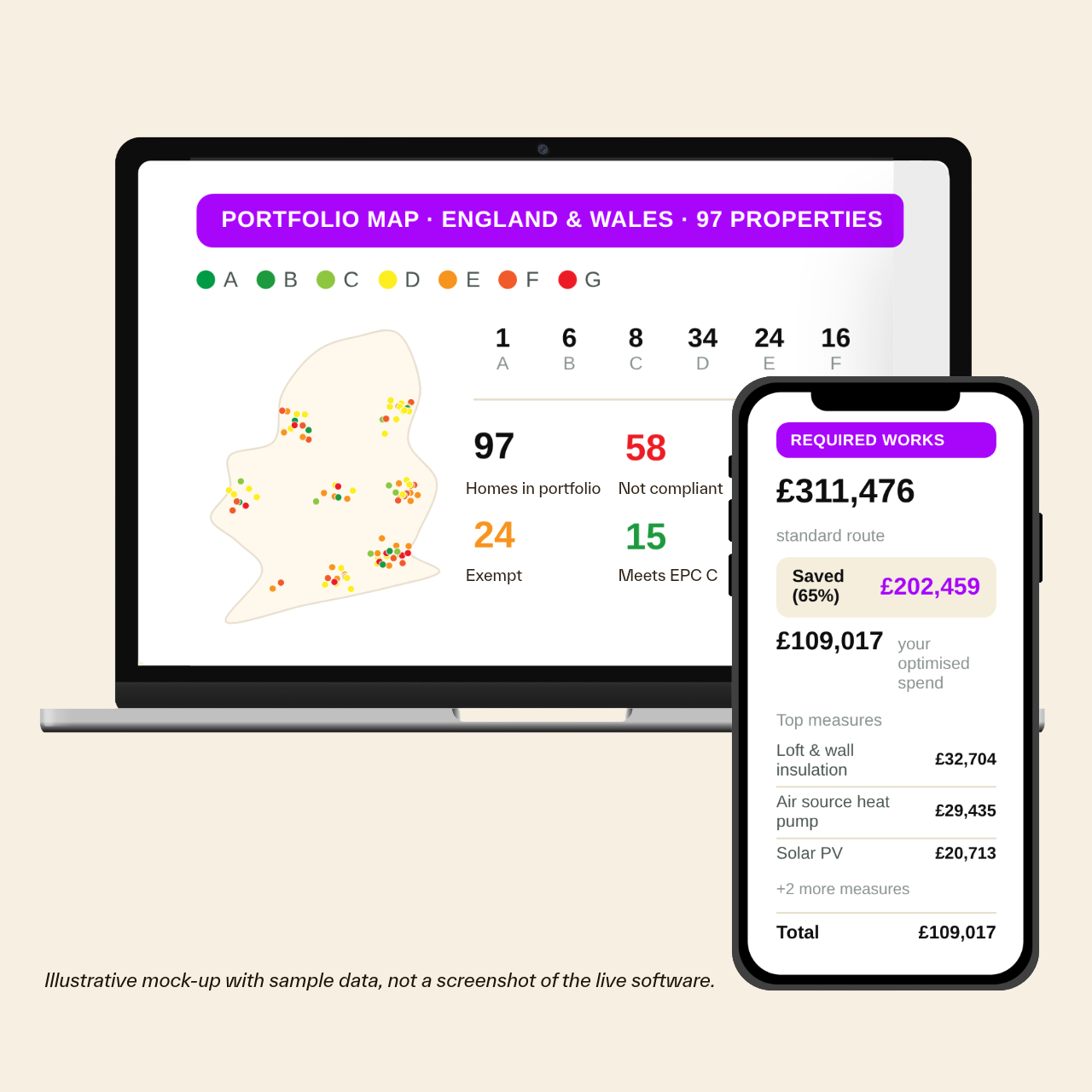
Standard EPC recommendations don’t rank measures by value for money. We do, for every home in your stock, cutting costs by up to 65%.¹.
- Every home is modelled using our government-approved EPC calculation engine.
- Double glazing costs a lot and adds around 3 EPC points. Roof insulation costs far less and adds around 10.
- Join up your programmes to avoid duplicated works and shared costs like scaffolding.
- Replace average-cost assumptions with a home-by-home figure your board can scrutinise.
1. Average saving per home for Asset Manager Workspace customers who plan EPC works alongside other programmes
2. Regulator of Social Housing data, 2025, for housing associations owning 1,000+ homes
FAQ
What does the least-cost route to EPC C do?
What do social landlords need to do, and by when?
How does this fit with the Decent Homes Standard and planned works?
Does it work for councils as well as housing associations?
What if we don't have an EPC for every home?
Why start now rather than closer to 2030?
Why do landlords overspend on the wrong works?
How accurate is the modelling?
Can we use our own contractors?
What is the free EPC C cost assessment?
Related Resources


Related Insights (0)
Speak with a data expert
Let's get this conversation started! Our team is here to provide you with more information and answer any questions you may have.