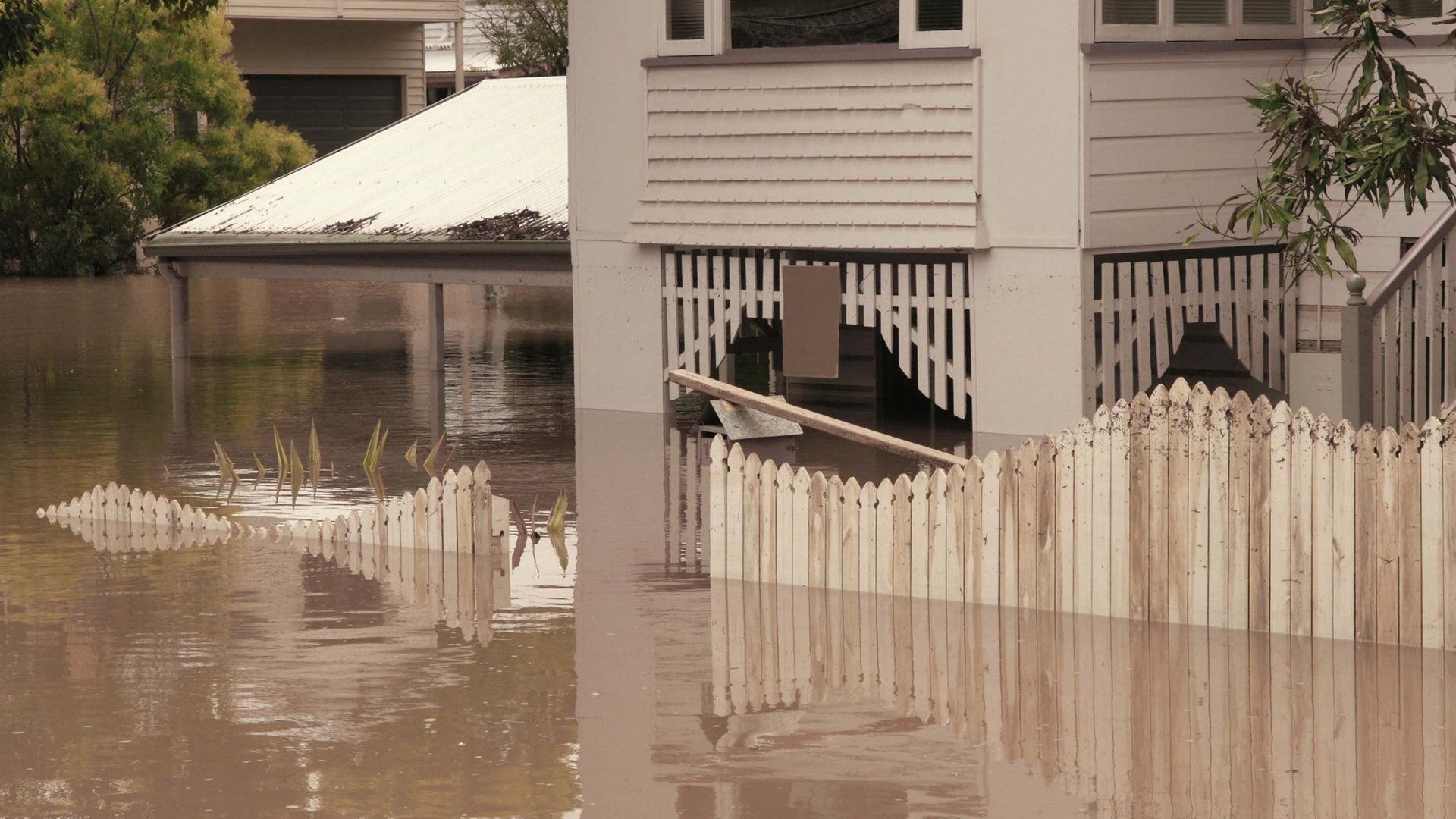
Properties in Hawke's Bay and West Coast face some of New Zealand's highest flood risks, according to new analysis from Cotality, although the greatest potential threat to the wider financial system may lie in larger centres such as Christchurch, Auckland, and Wellington.

The research, which used an established national flood model that is also used by major insurers and financial institutions, created a relative flood risk score at an individual property level across the country, found Wairoa, Buller, Napier, Gore and Westland have the highest concentrations of properties exposed to elevated threats.
In Wairoa, 66% of properties are rated in the higher flood risk categories, followed by Buller (61%), Napier (56%), Gore (50%) and Westland (43%).
At the other end of the scale, many parts of New Zealand remain relatively low risk. In 14 of the 72 districts analysed, at least 90% of properties were classified in the two lowest flood risk categories (with a score of zero or one).
Cotality Chief Property Economist Kelvin Davidson said the findings highlight the growing importance of climate risk for homeowners, lenders, insurers and policymakers.
"Flood risk is increasingly becoming a housing market issue, not just an environmental one. It has implications for property values, insurance availability and affordability, lending decisions and ultimately household wealth.
"While many areas of New Zealand remain relatively low risk, there are some regions where a significant proportion of properties face elevated exposure to flooding."
The analysis was undertaken using New Zealand FloodMap, an established flood model already used by major insurers and financial institutions through Cotality's partnership with engineering and environmental consultancy Haskoning. The analysis looked at three types of flooding risk: river, surface, and coastal flooding.
While some smaller regions show the highest proportion of properties at risk, Davidson said scale also matters.
"Places such as Wairoa and Buller have higher concentrations of flood-exposed properties, but they are relatively small housing markets. When we look at the raw number of homes exposed to heightened risk, the picture changes."
Christchurch has the largest number of properties in the higher flood risk categories, with around 24,000 homes affected. Napier follows with approximately 13,900, ahead of Auckland City with around 11,300 and Lower Hutt with about 10,400.
"These larger markets may have lower risk concentrations than some regional areas, but because of their size, they represent a potentially greater exposure for the broader financial system."
The findings align with previous Reserve Bank analysis that identified Hawke's Bay, Wellington and Canterbury as regions requiring close monitoring for climate-related flood risk.
Cotality's earlier research into Cyclone Gabrielle found that flood-affected properties and homes in higher-risk locations generally sell at a discount compared to similar properties elsewhere. However, those properties have also experienced stronger value growth since the cyclone, suggesting some buyers are willing to accept higher flood risk in exchange for greater affordability.
Davidson said this trend underlines the difficult trade-offs facing many households.
"Affordability remains a powerful driver in the property market. Some buyers appear prepared to accept higher levels of flood risk if it allows them to enter the market at a lower price point.
"Ultimately, no property is completely immune from climate risk. Homeowners need to understand the risks associated with their location because over time those risks may increasingly affect insurance costs or availability, financing and property values."