Overview

A magnitude 7.7 earthquake struck southern Panama on Friday, Oct. 9, centered near Pitaloza Arriba on the Azuero Peninsula. According to the U.S. Geological Survey, the quake occurred at a shallow depth of about 13 kilometers, which intensified shaking across the peninsula and Panama's central provinces.
Panama declared a national state of emergency, and USGS issued an orange PAGER alert, its second-highest level.
A damaging aftershock sequence
The mainshock ruptured along the boundary zone where the Panama microplate meets the Nazca plate, according to Cotality's analysis. Cotality scientists estimate the rupture extended roughly 85 to 100 kilometers, with peak ground accelerations of 0.40g to 0.55g near the fault.
About two and a half hours later, a magnitude 6.6 aftershock struck near the Gulf of Montijo, about 79 kilometers to the west. USGS has recorded further strong aftershocks of magnitude 6.0 on Oct. 10 and magnitude 6.1 on Oct. 12, along with hundreds of smaller tremors.
The repeated shaking compounded the damage. Buildings that cracked in the mainshock suffered additional wall failures in the aftershocks, which prolonged power outages and delayed safety inspections.
Impacts across the central provinces
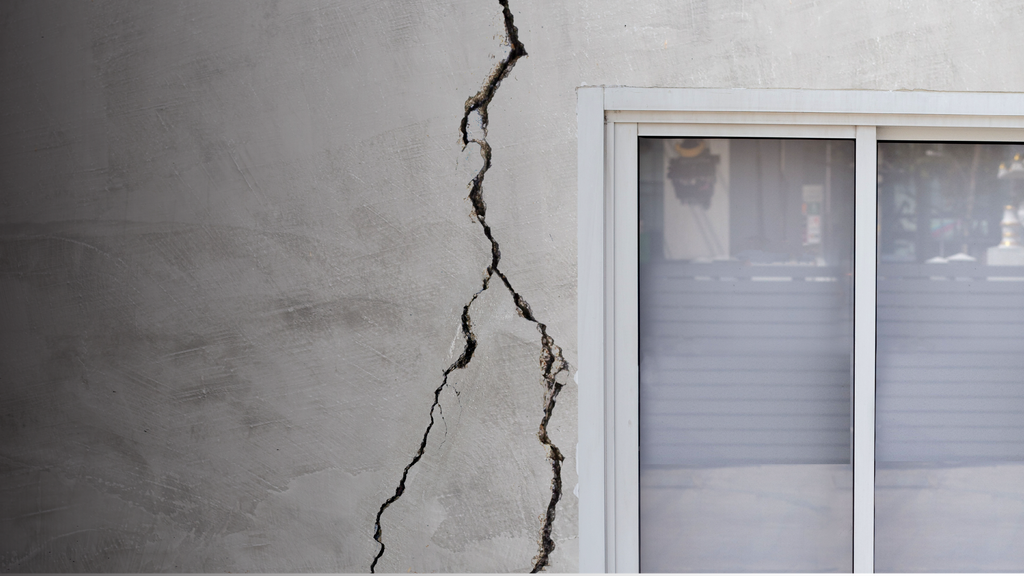
The strongest shaking, estimated at intensity VII to VIII on the Modified Mercalli scale, was concentrated in Los Santos, Herrera, Veraguas, and Coclé. Many of the homes in these largely rural and agricultural areas are built of adobe or unreinforced masonry. These homes suffered extensive cracking, fallen roof tiles, and wall failures.
Commercial centers including Penonomé, Chitré, Las Tablas, and Santiago also sustained significant damage. A multi-story hotel in Penonomé partially collapsed. Power outages spread across six provinces, and water treatment was temporarily interrupted. Bridges were also damaged.
Panama's most valuable assets were largely spared. The Panama Canal, located about 200 kilometers to the northeast, reported no structural damage and no interruption to vessel transits. High-rise towers in Panama City swayed but avoided structural damage.
What this means for insurers
Cotality expects commercial, hospitality, and industrial properties to account for more than 75% of insured losses. Hotels, retail centers, and bank branches in provincial hubs saw structural and facade damage. Sugar mills, food processing plants, and cold storage facilities in Coclé and Herrera reported damaged equipment, ruptured tanks, and sheared piping, which will drive both property and business interruption claims.
Residential claims are expected to be a small share of the total. Earthquake insurance take-up for homes in the hardest-hit rural districts is estimated at below 10%, so most residential losses will fall on homeowners and public assistance.
"This earthquake is a reminder that the largest losses aren't always the insured ones," said Maiclaire Bolton Smith, vice president of insurance market insights at Cotality. "Most of the homes that took the strongest shaking are in rural communities where very few people carry earthquake coverage, so the cost of rebuilding falls largely on families and the government. A strong aftershock sequence like this one also keeps damaging buildings that were already weakened, which is why the impact can keep growing for days after the mainshock."
Cotality will continue monitoring this event and may provide updates when available.