


Overview

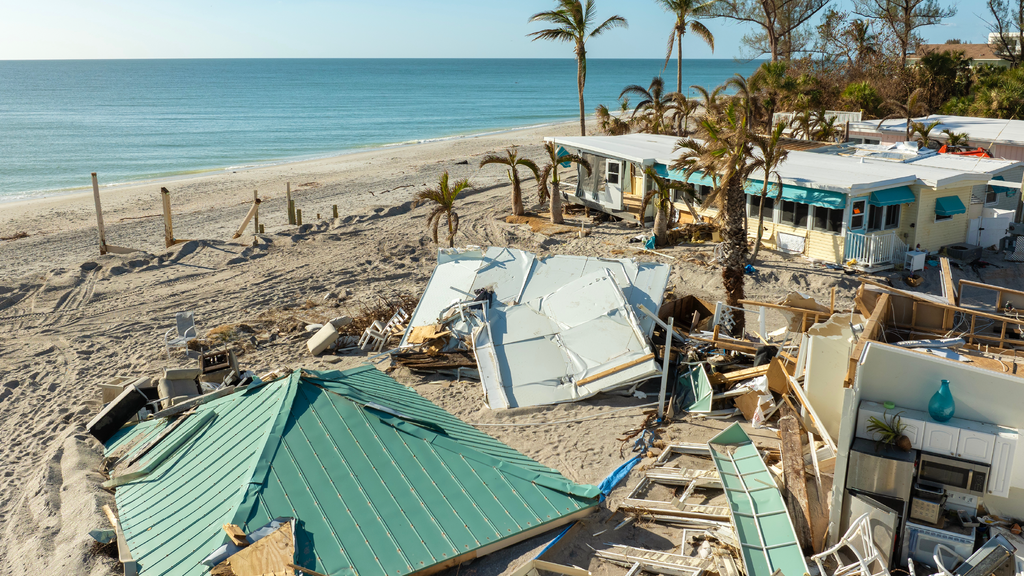
After a hurricane passes, the sky clears, but the financial clock starts ticking. For property insurance carriers, the hours and days immediately after landfall are when claim severity is truly decided. The difference between mitigation that begins on day one and mitigation that begins three weeks later can be the difference between a manageable claim and a total loss.
How much does waiting actually cost?
According to the 2026 Cotality Hurricane Risk Report, based on proprietary Cotality field expertise, waiting just seven days to initiate mitigation efforts guarantees the total restoration cost will increase by at least 53%, and it could more than double. Stretch that delay to 21 days, and the net cost can jump by 155% to 290%.
In practical terms, a $50,000 claim left unaddressed for three weeks can quietly grow into a loss approaching $200,000. The damage the storm caused is only the opening number. Delay writes the rest of the invoice, and carriers absorb that increase across every slow-moving file in the book.
What drives claim severity higher?
Storm damage is not static. Water keeps moving, materials keep degrading, and loss costs compound across three fronts:
• Secondary damage: Remediation costs alone increase by 100% to 200% by day 21, driven by issues like mold growth and structural rot that spread long after the rain stops
• Additional living expenses: The longer a property remains uninhabitable, the longer a carrier funds temporary housing, meals, and displacement for the policyholder, and those costs grow steadily with every week of delay
• Demand inflation: After a named storm, thousands of claims compete for the same contractors and materials, adding a 20% to 30% premium by the end of three weeks
Each of these forces feeds the others. A saturated wall left untreated becomes a mold problem, the mold problem extends the policyholder’s displacement, and the extended timeline collides with a contractor market already stretched thin.
The first 24 hours matter most
The most effective post-storm mitigation is rarely dramatic. Emergency measures like roof tarping and water extraction, initiated within the first day, halt structural degradation before it cascades. Tarping a breached roof stops rain from reaching interior framing. Extracting standing water within hours rather than days denies mold the damp environment it needs to take hold.
For claims organizations, that makes the interval between first notice of loss and the first mitigation crew on site the most valuable stretch of the entire claim lifecycle. Every process improvement that shortens it, from intake to triage to dispatch, pays for itself in avoided severity.
What rapid response looks like at portfolio scale
Claims leaders, restoration networks, and policyholders all have a role in shortening the mitigation timeline:
• Secure restoration capacity before the season starts so emergency tarping and water extraction crews are under agreement before a storm is ever named
• Prioritize rapid damage assessment technology that helps adjusters triage the hardest-hit properties and dispatch mitigation services where losses will otherwise compound fastest
• Treat the first week after landfall as the decisive window for the entire book of business, not the beginning of a slow recovery process
• Equip policyholders to act as the first line of defense by encouraging them to identify a restoration provider, document their property, and understand their coverage before the season begins
That last point is where homeowners still shape the outcome. A policyholder who can mobilize on day one, instead of spending the critical first week making phone calls, compresses severity on their own claim before an adjuster ever arrives.
Speed is the cheapest form of resilience
Impact-resistant windows and elevated foundations protect a property before a storm arrives. Rapid mitigation protects it after, and it is the only lever still available once the wind dies down. When the storm has already done its damage, speed is the one variable within reach, and it is worth up to three times the original repair bill.
For the full data behind mitigation timelines, exposure, and hurricane risk nationwide, read the complete 2026 Cotality Hurricane Risk Report.
